NEWS
Internet Speed Guide: How Much Speed Do You Really Need for Streaming, Gaming, Work and Everyday Use?
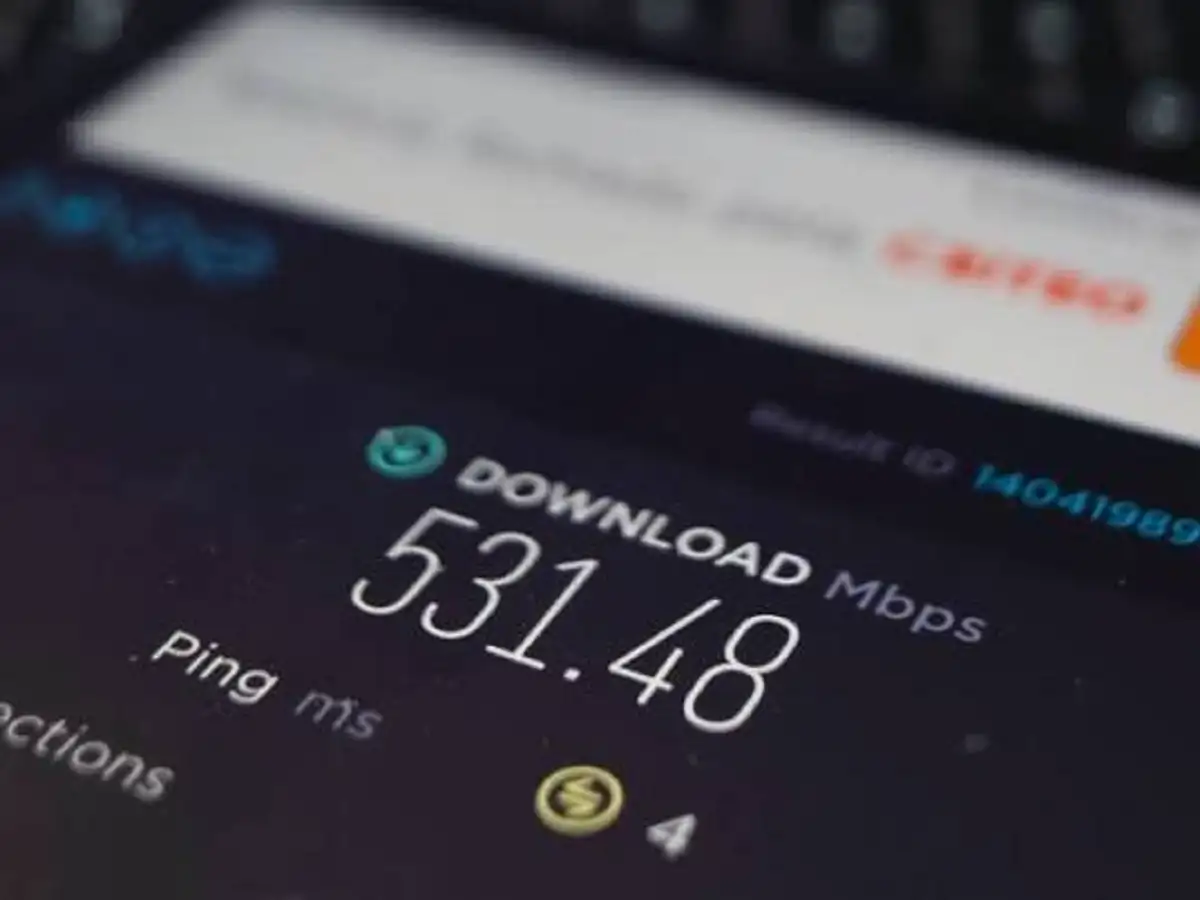
A fast internet connection has become an essential part of daily life, whether you're working from home, attending online classes, streaming movies, or simply browsing the web. However, choosing the right broadband or mobile internet plan can often be confusing. Internet service providers offer everything from basic Mbps plans to ultra-fast gigabit connections, but not everyone needs the highest available speed.
The ideal internet speed depends on how you use the internet, the number of devices connected at the same time, and the type of online activities you perform. Understanding these requirements can help you select a plan that delivers reliable performance without paying for unnecessary bandwidth.
Here's a detailed guide to understanding internet speed and determining how much you actually need.
What Does Internet Speed Mean?
Internet speed refers to how quickly data travels between your device and the internet. It determines how fast websites load, videos stream, files download, and online services respond.
Internet speed is commonly measured in:
- Kbps (Kilobits per second)
- Mbps (Megabits per second)
- Gbps (Gigabits per second)
Higher speeds generally result in faster downloads, smoother streaming, and better overall online performance, especially when multiple devices are connected.
How Internet Speeds Have Improved Over the Years
Internet technology has advanced significantly over the past few decades.
- In the early 1990s, dial-up internet typically offered speeds ranging from 14.4 Kbps to 56 Kbps.
- By the early 2000s, broadband connections commonly exceeded 1 Mbps.
- As of 2026, the global average fixed broadband speed has crossed 120 Mbps, while average mobile internet speeds are around 109 Mbps.
- Many internet providers now offer broadband plans with speeds of 1 Gbps or higher, enabling ultra-fast downloads and seamless streaming.
Download Speed vs Upload Speed
When comparing internet plans, many users focus only on download speed. However, upload speed is equally important for many modern online activities.
Download Speed
Download speed measures how quickly data is received by your device.
It directly affects activities such as:
- Watching videos on YouTube and Netflix
- Downloading files and applications
- Browsing websites
- Using social media
- Streaming live content
Higher download speeds provide a smoother experience, particularly when several users are online simultaneously.
Upload Speed
Upload speed determines how quickly your device sends data to the internet.
It plays a key role in:
- Video conferencing
- Uploading photos and videos
- Cloud backups
- Live streaming
- Sending large files
A balanced connection with good upload performance is especially beneficial for remote workers, students, content creators, and businesses that rely on cloud-based services.
Recommended Internet Speeds for Everyday Activities
Different online tasks require different levels of bandwidth. Here are the commonly recommended speeds for various activities.
| Activity | Recommended Internet Speed |
|---|---|
| Email and Messaging | Around 1 Mbps |
| Web Browsing | 3–5 Mbps |
| HD Video Streaming | 20–50 Mbps |
| Video Conferencing | 4 Mbps download and 3 Mbps upload |
| High-Quality Music Streaming | 10–20 Mbps |
| Online Multiplayer Gaming | 25–100 Mbps download and 5–20 Mbps upload |
These recommendations may vary depending on the number of users sharing the same connection.
How Many Devices Are Connected Matters
The total number of connected devices can significantly affect internet performance.
For example:
- A single user checking email may require only a few Mbps.
- A family streaming 4K videos, attending video meetings, and gaming simultaneously will need substantially higher bandwidth.
- Smart TVs, security cameras, smartphones, tablets, gaming consoles, and smart home devices all consume internet bandwidth even when used in the background.
Choosing a plan with sufficient capacity helps prevent slowdowns during peak usage.
Which Internet Speed Should You Choose?
The right internet plan depends on your daily usage.
- Up to 30 Mbps is generally sufficient for light browsing, messaging, and occasional streaming.
- 50–100 Mbps is suitable for families that regularly stream videos, attend online classes, and work from home.
- 100–300 Mbps offers comfortable performance for multiple users and several connected devices.
- 500 Mbps to 1 Gbps is ideal for large households, heavy downloading, cloud computing, professional content creation, and advanced gaming setups.
The Bottom Line
A faster internet connection isn't always the best choice if your usage is relatively basic. Instead, selecting a plan that matches your online habits and the number of connected devices can provide better value and a smoother experience.
Whether you're streaming your favourite shows, attending virtual meetings, gaming online, or simply browsing the web, understanding your internet speed requirements can help you choose the right broadband plan while avoiding unnecessary expenses.