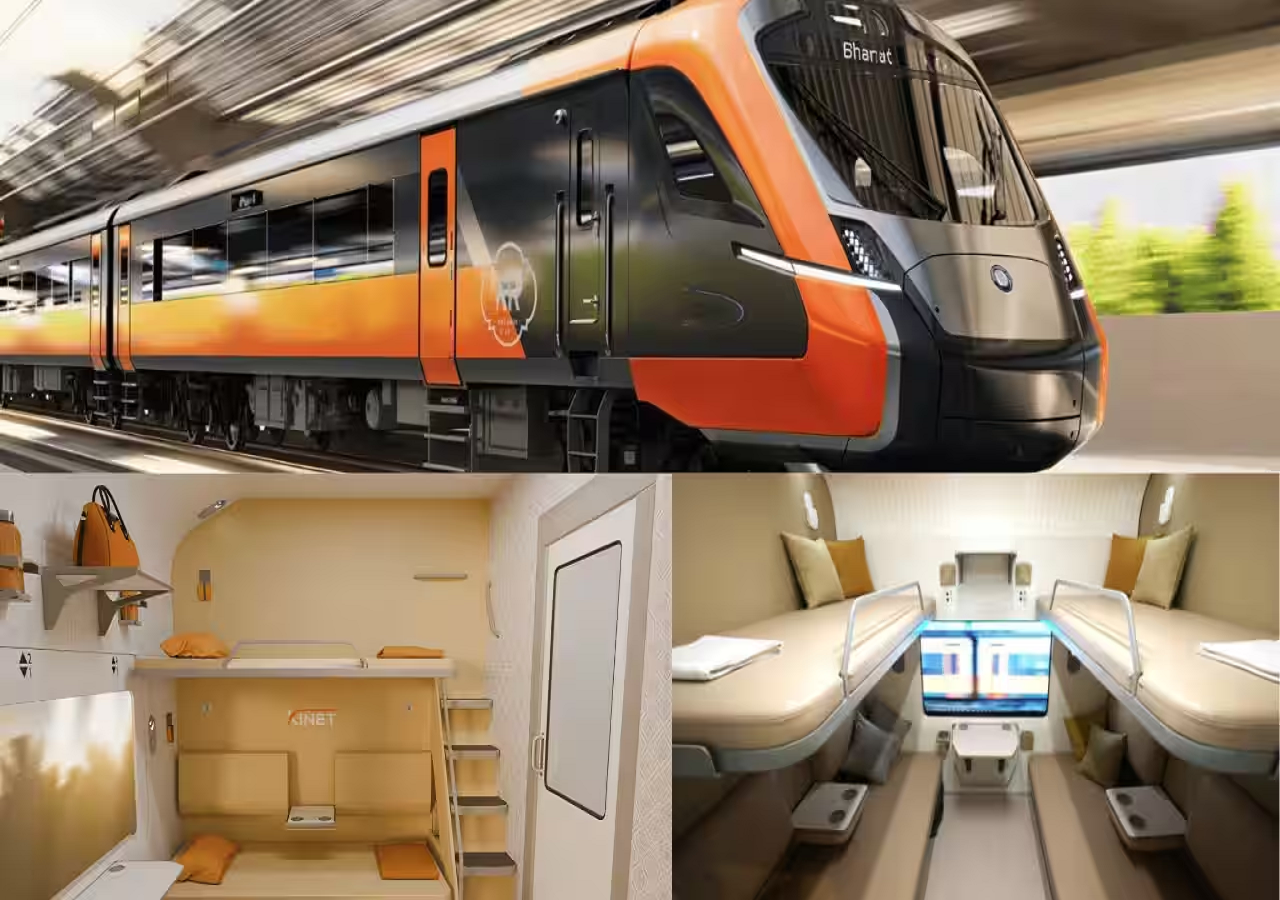
India’s railway transformation has reached another milestone with the arrival of the sleeper version of its flagship semi-high-speed train. Previously known for daytime chair-car services, the upgraded model now caters to long-distance and overnight travellers seeking speed without compromising comfort. The new rollout marks a major step in enhancing passenger experience while strengthening connectivity across key rail corridors, particularly in eastern and northeastern regions.
Premium Interiors With a Modern-Indian Touch
The sleeper coaches have been designed to reflect a refined balance between advanced engineering and cultural aesthetics. From the moment passengers enter, the interiors present a distinctly upgraded ambience compared with conventional long-distance trains.
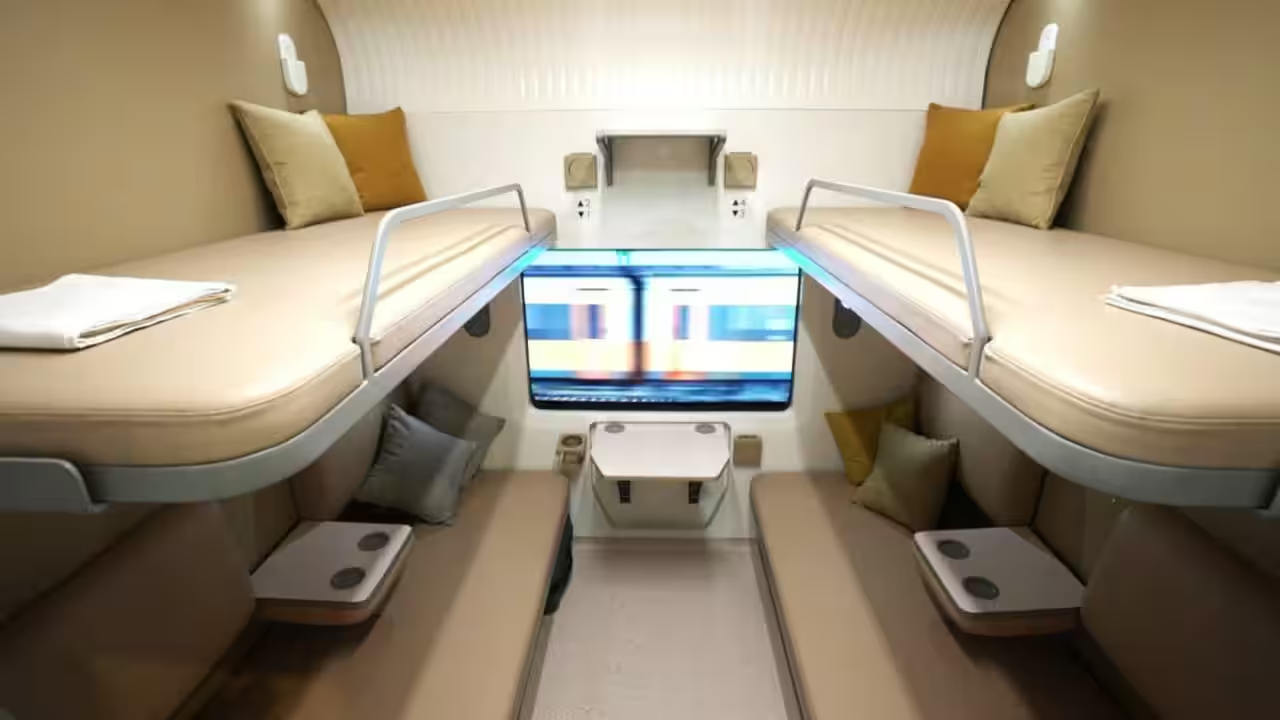
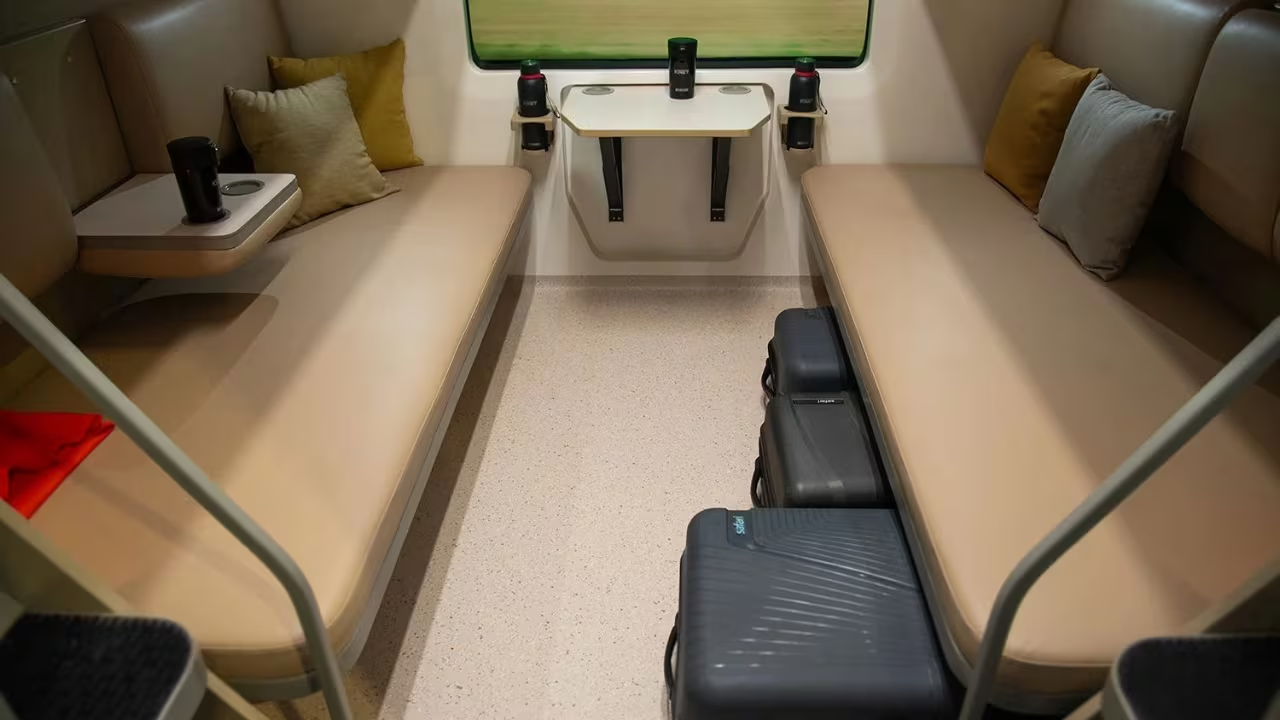
Ergonomically crafted berths are intended to support proper rest during extended journeys, while improved lighting systems create a calm and relaxing atmosphere. The layout has been carefully planned to reduce crowding and maximise usable space within each compartment. Overall styling follows a sleek, aircraft-inspired theme, aligning with the train’s modern brand identity and signalling a new era in rail travel comfort.
Automatic Doors and Streamlined Exterior
One of the standout technological additions is the automatic door system. These doors open and close electronically, simplifying boarding while also enhancing safety by restricting access when the train is in motion. The system reduces manual handling and contributes to smoother passenger flow at stations.
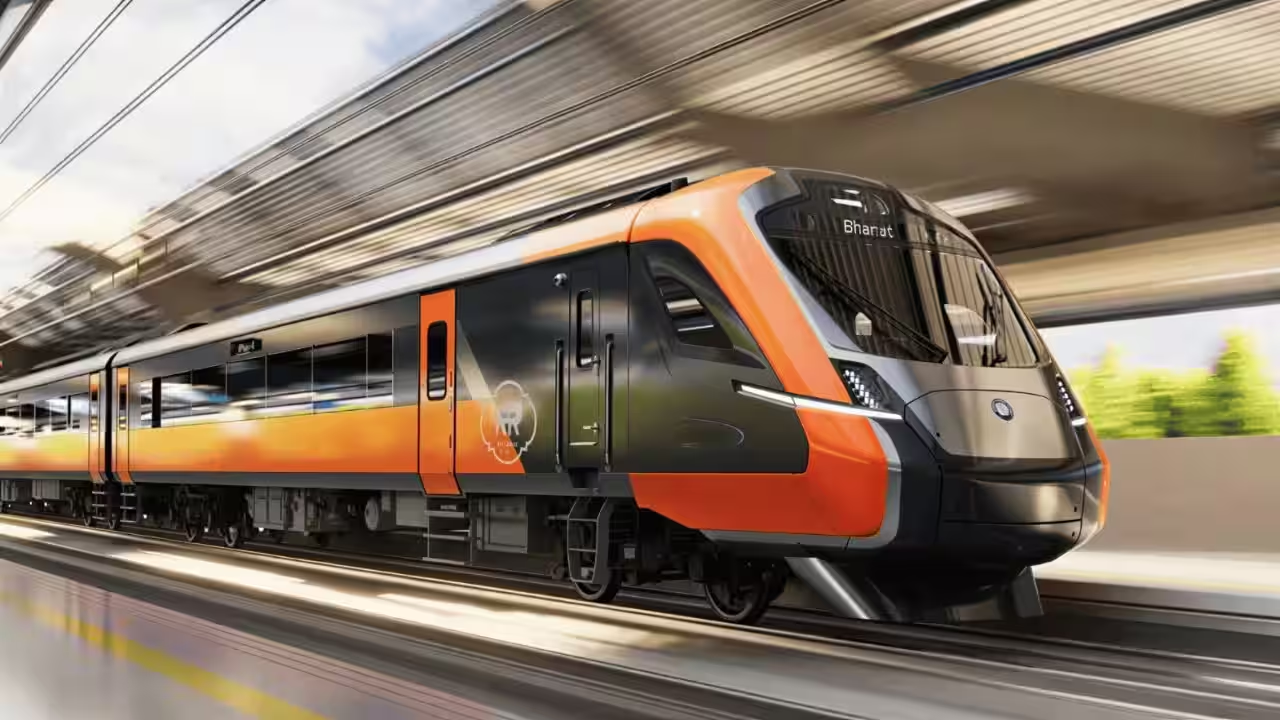
Externally, the train maintains its recognisable aerodynamic structure. The streamlined design helps reduce air resistance, improves stability at higher speeds, and enhances energy efficiency. This engineering approach not only supports faster travel but also ensures a smoother ride across varying track conditions.
Advanced Washrooms and Hygiene Upgrades
Passenger hygiene has been given significant attention in the sleeper edition. Washrooms are equipped with sensor-based taps that limit physical contact, supporting cleanliness while conserving water. Improved materials and layout design also make maintenance easier and ensure a fresher environment throughout journeys.
Such upgrades are particularly important for overnight travel, where comfort and sanitation standards directly affect passenger satisfaction. The inclusion of modern facilities reflects a broader shift toward global benchmarks in railway services.
Designed for Long-Distance Comfort
Unlike earlier versions focused on daytime travel, the sleeper configuration is tailored specifically for overnight routes. Noise insulation, improved suspension systems, and carefully engineered berths help reduce fatigue during long journeys. Storage spaces are also optimised so travellers can keep belongings organised without compromising legroom.
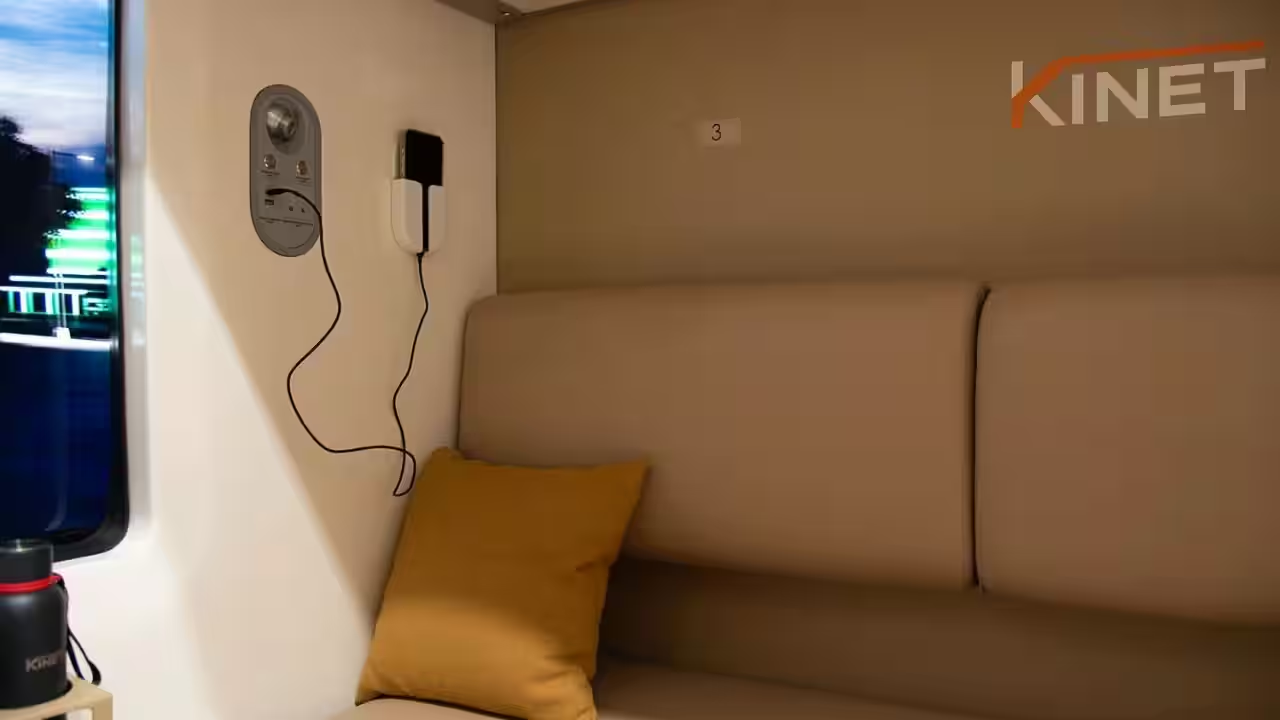
Lighting controls are designed to accommodate different preferences, allowing passengers to rest without disturbance. These features collectively aim to deliver a hotel-like experience on rails—an approach that reflects evolving expectations among modern travellers.
Boost to Rail Connectivity
The sleeper model is expected to play an important role in expanding rail accessibility across regions that rely heavily on overnight transportation. By combining speed with comfort, the service may reduce travel time while improving convenience for both business and leisure passengers.
Railway planners view this development as part of a broader strategy to modernise infrastructure, upgrade passenger amenities, and promote rail as a competitive alternative to other transport modes. Enhanced sleeper services could also encourage more travellers to choose trains over flights or long road journeys for medium-to-long distances.
A Step Toward the Future of Rail Travel
The introduction of the sleeper variant highlights the ongoing evolution of India’s railway system. With its blend of modern technology, thoughtful design, and passenger-centric features, the train represents a shift toward smarter and more comfortable travel solutions.
As infrastructure upgrades continue, innovations like these signal a future where rail journeys are not just efficient but also relaxing and enjoyable. For passengers, this means a travel experience that combines speed, safety, and restful comfort in one seamless ride.