NEWS
Indian Railways’ Big Safety Upgrade: Trains to Run Without Stopping at Signals with New Kavach System
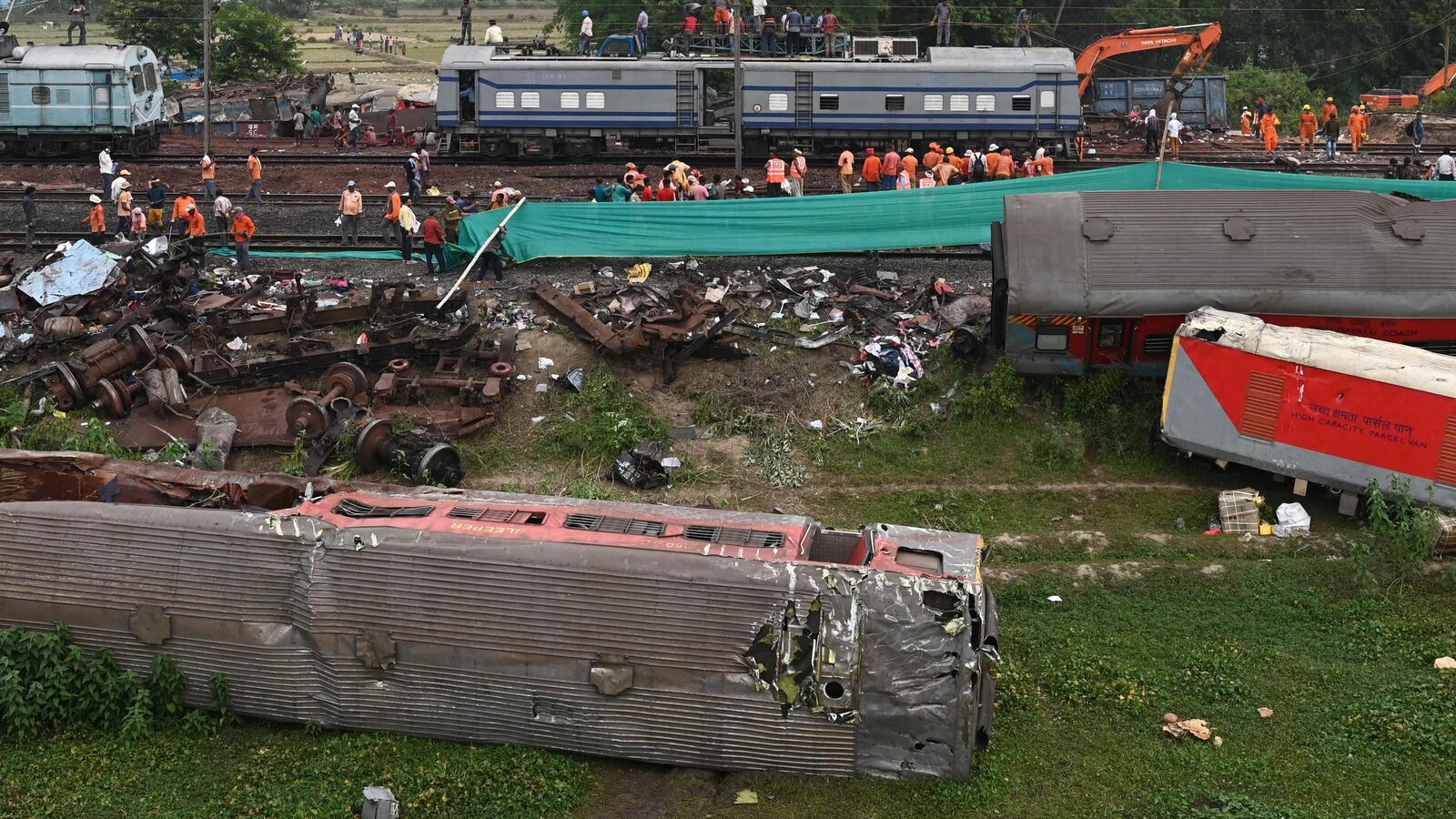
India’s railway network is among the largest and busiest in the world, carrying millions of passengers every single day. With such massive operations, ensuring passenger safety while maintaining punctuality has always been a major challenge. To address this, Indian Railways has announced a transformative technological upgrade that could redefine how trains operate across the country.
The government has unveiled an advanced version of its indigenous train protection technology, aimed at achieving the ambitious goal of zero rail accidents. This new system is not just an improvement—it represents a complete shift in railway safety management.
What Is the New Kavach System?
The latest upgrade, known as Kavach 4.0, is an Automatic Train Protection (ATP) system designed to prevent collisions and signal-related mishaps. In simple terms, Kavach acts as a digital safety shield for trains.
If a locomotive driver accidentally misses a signal due to human error, poor visibility, or dense fog, the system automatically intervenes. It can reduce the train’s speed or apply emergency brakes on its own, ensuring that accidents are avoided even in the most challenging conditions.
Unlike conventional systems that rely heavily on manual response, Kavach continuously communicates with signals, tracks, and nearby trains, making real-time decisions to enhance safety.
Made in India, Built for the Future
One of the most significant aspects of Kavach 4.0 is that it is fully developed in India. The government is now implementing it in mission mode, with plans to equip thousands of kilometers of railway tracks and hundreds of locomotives in the coming years.
This move not only strengthens safety but also reduces dependence on imported railway technologies. Officials believe that indigenous innovation will help Indian Railways scale faster and customize solutions for local conditions.
Faster Trains, Fewer Delays
Every winter, fog causes widespread train delays, especially in northern India. Low visibility forces drivers to slow down, leading to missed connections and frustrated passengers. Kavach changes this scenario entirely.
With real-time signal information displayed inside the locomotive cabin, drivers can operate trains confidently even in poor weather. As a result, trains can maintain their scheduled speeds without compromising safety, saving valuable time for passengers.
Infrastructure Modernisation Goes Hand in Hand
Alongside Kavach, Indian Railways is upgrading its core infrastructure. This includes increasing track capacity, replacing outdated signaling systems with digital interlocking, and developing modern stations.
Officials have emphasized that safety will not be compromised at any cost. Every technological upgrade is being tested thoroughly before large-scale deployment.
Preparing for High-Speed Rail
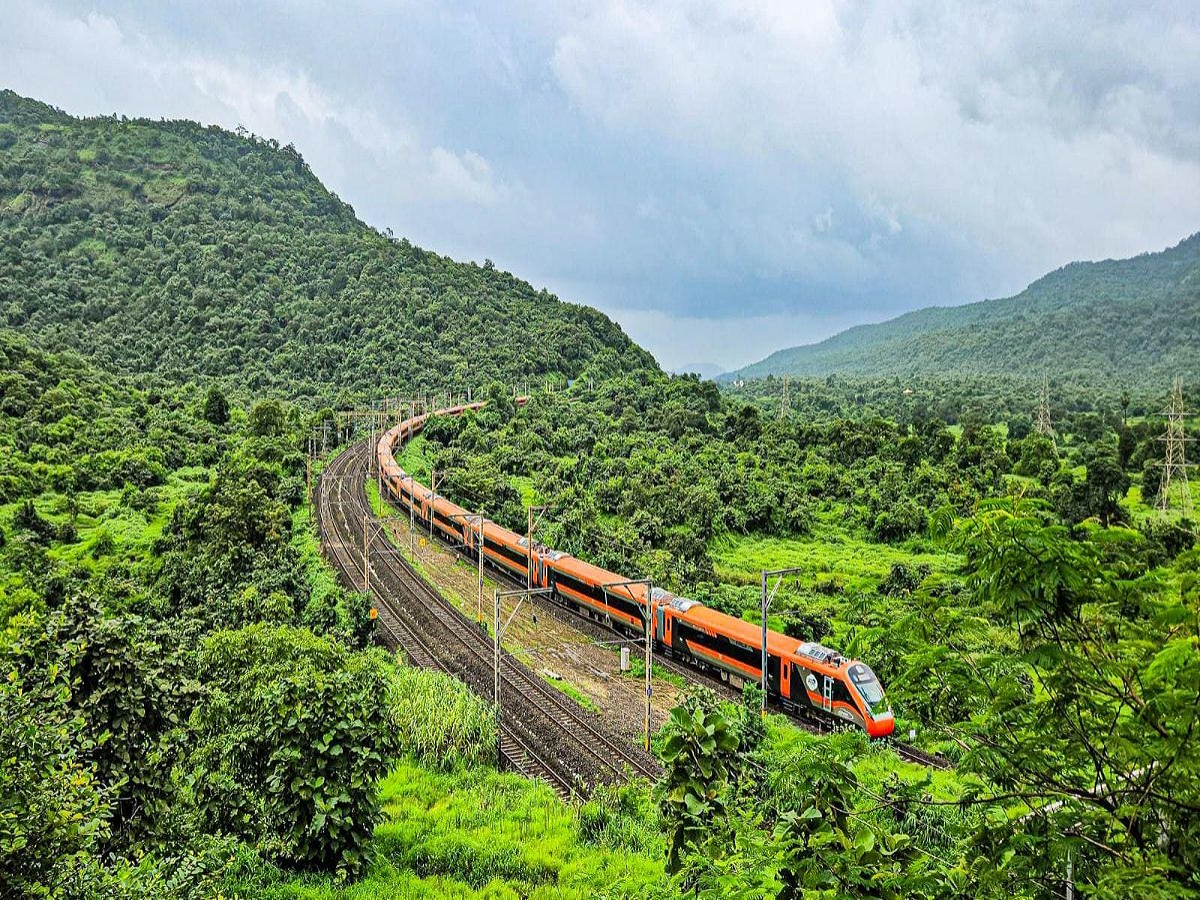
As modern trains like Vande Bharat gain popularity, the need for advanced safety systems becomes even more critical. Kavach 4.0 is being designed to support future high-speed and semi-high-speed rail operations, ensuring that India’s rail network is ready for the next generation of travel.
A New Era of Rail Travel
This technological leap is expected to significantly reduce accidents, improve punctuality, and enhance passenger confidence. More importantly, it signals a shift in mindset—from reactive safety measures to proactive accident prevention.
By blending technology with operational experience, Indian Railways is steadily moving toward global safety standards. Once fully implemented nationwide, Kavach could turn rail accidents into a thing of the past, offering passengers a safer, smoother, and stress-free journey.