NEWS
India-Pakistan Tension: After Indus, India now stopped Chenab water from Baglihar dam, gave another blow to Pakistan
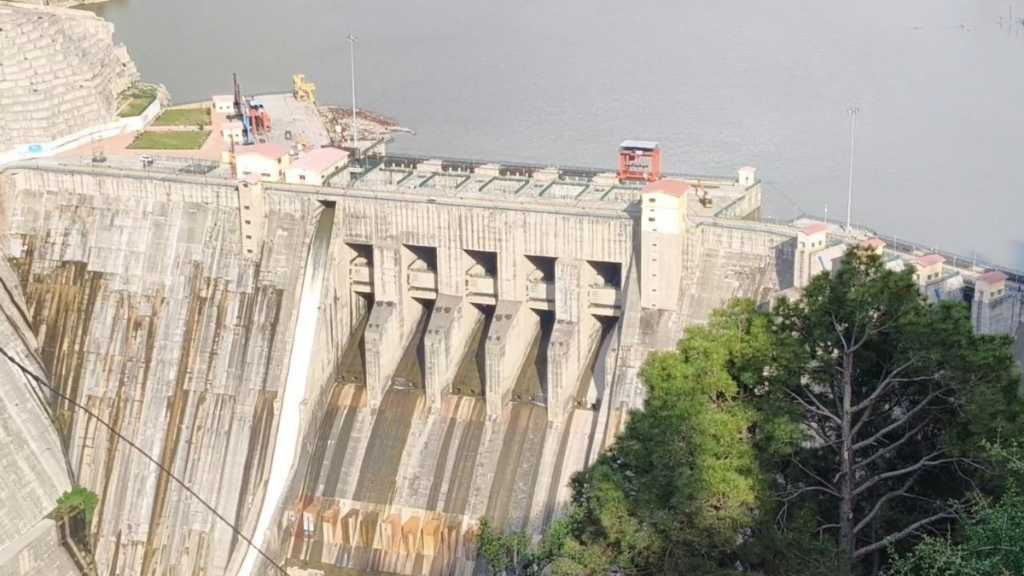
India-Pakistan Tension: The Baglihar dam has been a matter of dispute between India and Pakistan for a long time. Pakistan has sought mediation of the World Bank in this matter.
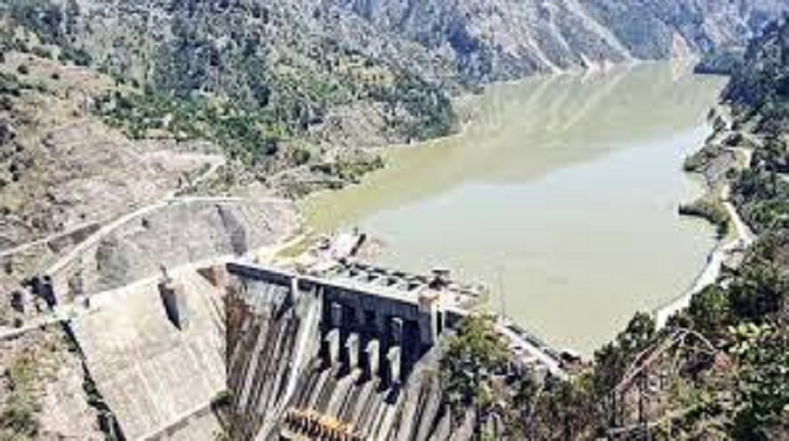
India-Pakistan Tension: After suspending the Indus Water Treaty, India has taken another action against Pakistan. Now India has stopped the water of Chenab river through the Baglihar dam. Similarly, it is planning to take strict action regarding the Kishanganga dam built on the Jhelum river. A source said that the Baglihar hydroelectric dam in Ramban, Jammu and the Kishanganga hydroelectric dam in North Kashmir have the ability to regulate the time of releasing water to India.
India decided to suspend the decades-old treaty after a terrorist attack in Pahalgam , Jammu and Kashmir , killed 26 people, most of them tourists. The World Bank-brokered Indus Waters Treaty has governed the use of the Indus River and its tributaries between India and Pakistan since 1960.
Controversy over Baglihar Dam
The Baglihar dam has long been a matter of dispute between the two neighbours. Pakistan has sought mediation by the World Bank in this matter. Pakistan also has objections to the Kishanganga dam, especially because of its impact on the Neelum river, a tributary of the Jhelum.
History of Indus Water Treaty
Indus Water Treaty, which was signed in 1960 by India's Prime Minister Jawaharlal Nehru and Pakistan's President Ayub Khan. This was a historic agreement made under the mediation of the World Bank. Its purpose was to avoid future conflicts between India and Pakistan over water resources. Under this treaty, India got the rights over Ravi, Sutlej, Beas. Control of Indus, Chenab, Jhelum was handed over to Pakistan. However, India got exemption for limited irrigation, power generation and domestic use.
Indus is the lifeline of Pakistan?
The mainstay of Pakistan's water-based economy is the Indus River System. With its help, Pakistan uses 93% of the water of the western rivers. 80% of agricultural land is dependent on this water. The livelihood of millions of people, the water supply network of cities and hydro power production depend on this system. Therefore, when India indicated to postpone the Indus Water Treaty, panic and anger was seen in the political and military leadership of Pakistan.