NEWS
India Environmental Performance Index 2026: Which poor countries does India lag behind in terms of cleanliness?
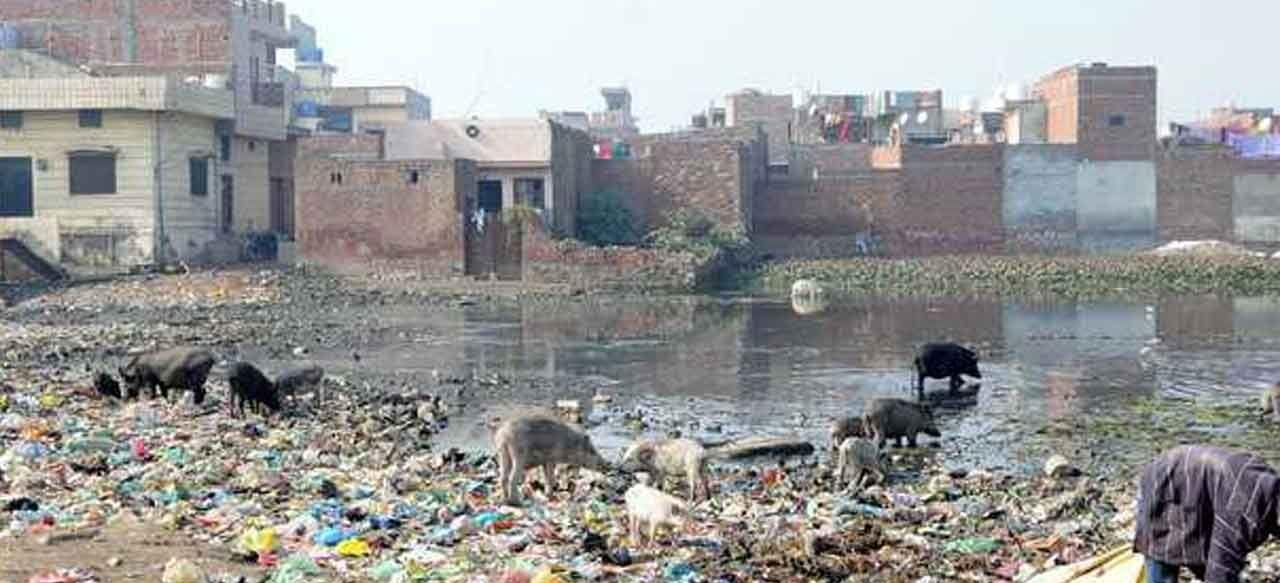
India Environmental Performance Index 2026: India's sanitation situation is quite poor. Let's find out which poorer countries India lags behind in terms of sanitation.
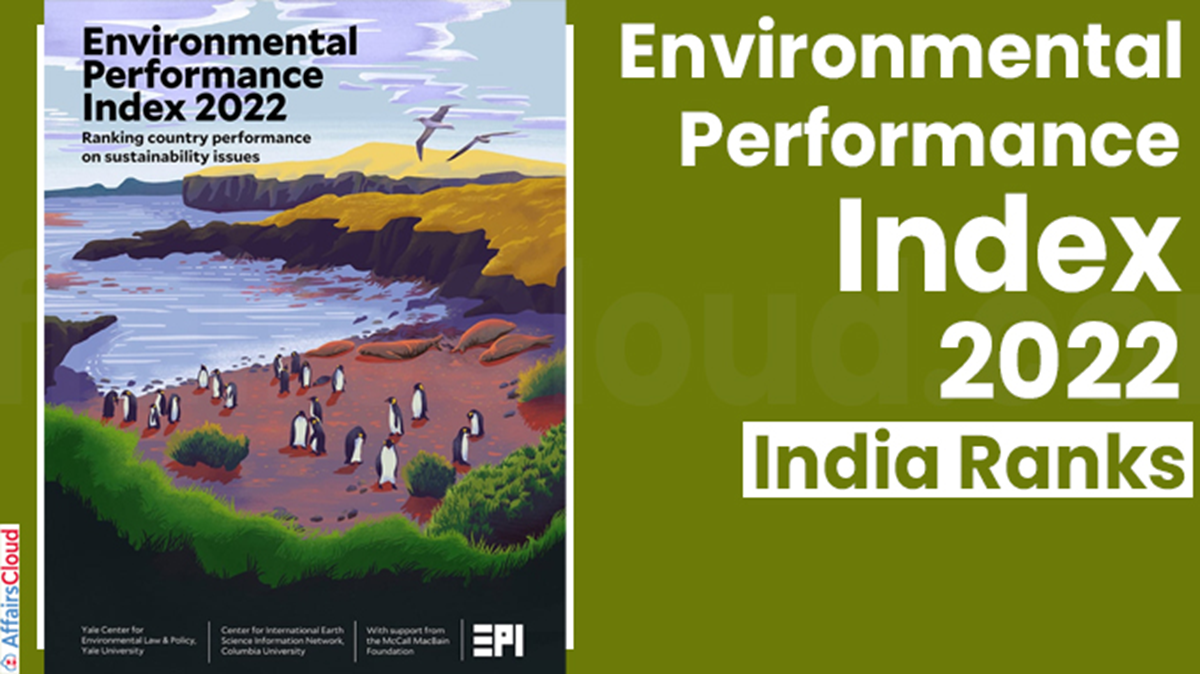
India Environmental Performance Index 2026
India Environmental Performance Index 2026: The Supreme Court recently expressed concern over poor sanitation and solid waste management. Following this, India's performance on sanitation and environmental indicators is being reviewed. On November 17, 2026, the court stated that while India may have become a prosperous country, its performance in sanitation remains poor. The court stated that inadequate sanitation and poor waste management not only impact society but also tarnish the country's image. This observation was made during a hearing regarding the municipal corporation's compliance with environmental regulations and the implementation of the Solid Waste Management Rules 2026.
A bench of Justices SVN Bhatti and NV Anjaria noted that while work had begun to implement the rules and that an administrative system for monitoring had been established, the major concern was whether these rules were actually being effectively implemented on the ground.
India ranks near the bottom in the Environmental Performance Index.
India ranked 176th out of 177 countries in the Environmental Performance Index 2026, released on November 6, 2026, with a score of 22.46. Only Laos, which ranked 177th, ranked India lower. Estonia topped the index with a score of 74.79.
The report, prepared by researchers from Yale University's Yale Center for Environmental Law and Policy and Columbia University's Center for International Earth Science Information Network, evaluates countries based on 47 indicators across 12 categories, including environmental health, ecosystem condition, and climate change.
India ranks lowest among the eight South Asian countries included in this comparison, followed by Bhutan at 52nd, Sri Lanka at 94th, Nepal at 128th, Afghanistan at 135th, Pakistan at 157th, Maldives at 171st, and Bangladesh at 175th.
Sanitation, drinking water and waste management
India ranks 141st in theIndia Environmental Performance Index 2026: Which poor countries does India lag behind in terms of cleanliness? The report will surprise you.
India Environmental Performance Index 2026: India's sanitation situation is quite poor. Let's find out which poorer countries India lags behind in terms of sanitation.
India Environmental Performance Index 2026
India Environmental Performance Index 2026: The Supreme Court recently expressed concern over poor sanitation and solid waste management. Following this, India's performance on sanitation and environmental indicators is being reviewed. On November 17, 2026, the court stated that while India may have become a prosperous country, its performance in sanitation remains poor. The court stated that inadequate sanitation and poor waste management not only impact society but also tarnish the country's image. This observation was made during a hearing regarding the municipal corporation's compliance with environmental regulations and the implementation of the Solid Waste Management Rules 2026.
A bench of Justices SVN Bhatti and NV Anjaria noted that while work had begun to implement the rules and that an administrative system for monitoring had been established, the major concern was whether these rules were actually being effectively implemented on the ground.
India ranks near the bottom in the Environmental Performance Index.
India ranked 176th out of 177 countries in the Environmental Performance Index 2026, released on November 6, 2026, with a score of 22.46. Only Laos, which ranked 177th, ranked India lower. Estonia topped the index with a score of 74.79.
The report, prepared by researchers from Yale University's Yale Center for Environmental Law and Policy and Columbia University's Center for International Earth Science Information Network, evaluates countries based on 47 indicators across 12 categories, including environmental health, ecosystem condition, and climate change.
India ranks lowest among the eight South Asian countries included in this comparison, followed by Bhutan at 52nd, Sri Lanka at 94th, Nepal at 128th, Afghanistan at 135th, Pakistan at 157th, Maldives at 171st, and Bangladesh at 175th.
Sanitation, drinking water and waste management
India ranks 141st in the EPI's sanitation and drinking water category with a score of 26.35. India ranks 139th in the unsafe sanitation DALY rate indicator, which measures the disease burden associated with unsafe sanitation.
Millions of children in India do not have toilets in their schools.
A separate assessment by the World Health Organization and UNICEF highlighted deficiencies in school facilities. Their joint monitoring program released the Progress on Drinking Water, Sanitation and Hygiene in Schools 2015-2025 report on September 22, 2026.
The report projects that by 2025, approximately 240 million children worldwide will lack access to toilet facilities in their schools. India has the largest number of children affected, with approximately 50 million children. Nigeria is followed by Nigeria with 34 million, Ethiopia with 26 million, the Democratic Republic of the Congo with 11 million, and Indonesia with 8 million.
Deficiencies in handwashing and drinking water facilities
The WHO-UNICEF report states that approximately 20 million children in India lacked handwashing facilities in their schools. Similarly, approximately 12 million children lacked access to drinking water. While new national projections for handwashing facilities in India's schools for 2025 are not available, the latest data for this indicator are from 2024.
The assessment also recorded progress. Between 2015 and 2025, India improved by 14% in the availability of toilet facilities in schools. EPI's sanitation and drinking water category with a score of 26.35. India ranks 139th in the unsafe sanitation DALY rate indicator, which measures the disease burden associated with unsafe sanitation.
Millions of children in India do not have toilets in their schools.
A separate assessment by the World Health Organization and UNICEF highlighted deficiencies in school facilities. Their joint monitoring program released the Progress on Drinking Water, Sanitation and Hygiene in Schools 2015-2025 report on September 22, 2026.
The report projects that by 2025, approximately 240 million children worldwide will lack access to toilet facilities in their schools. India has the largest number of children affected, with approximately 50 million children. Nigeria is followed by Nigeria with 34 million, Ethiopia with 26 million, the Democratic Republic of the Congo with 11 million, and Indonesia with 8 million.
Deficiencies in handwashing and drinking water facilities
The WHO-UNICEF report states that approximately 20 million children in India lacked handwashing facilities in their schools. Similarly, approximately 12 million children lacked access to drinking water. While new national projections for handwashing facilities in India's schools for 2025 are not available, the latest data for this indicator are from 2024.
The assessment also recorded progress. Between 2015 and 2025, India improved by 14% in the availability of toilet facilities in schools.