LIFESTYLE
How to store wheat: Wheat won't be infested with weevils! Use these homegrown hacks to store it year-round.
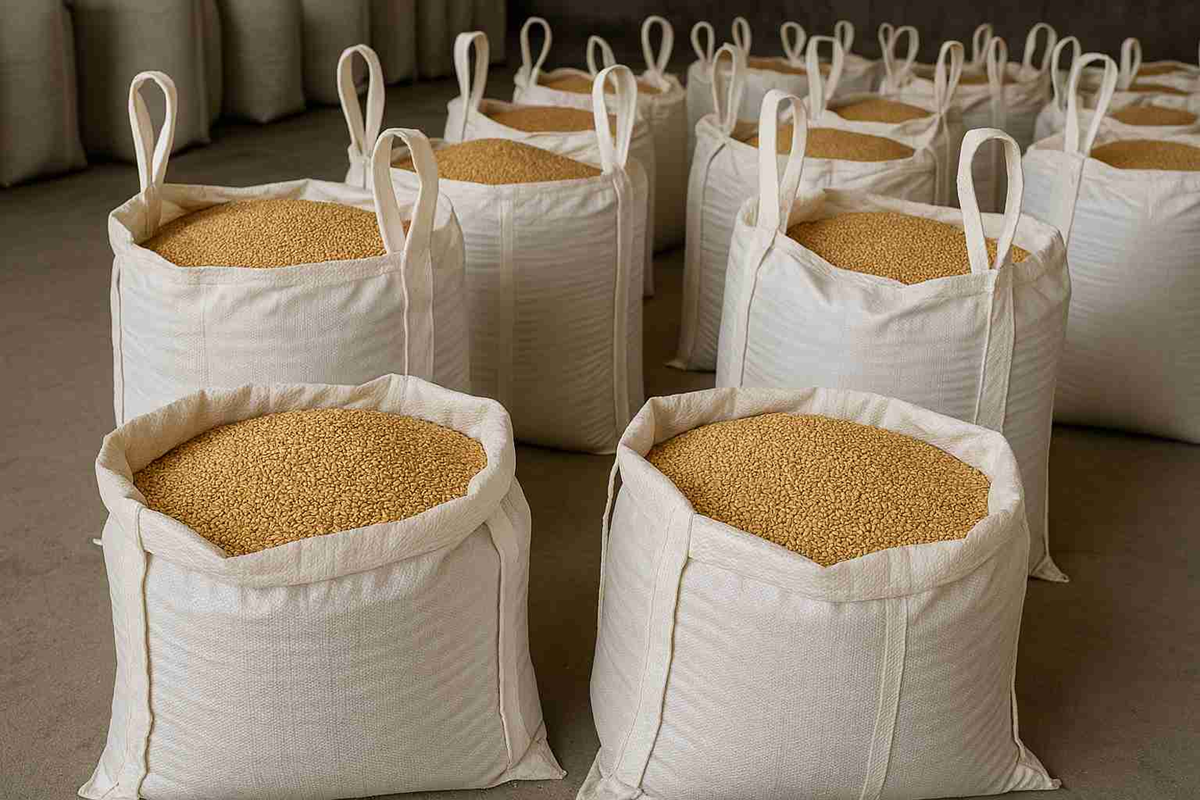
Wheat Storage: Before storing wheat, it's important to consider its condition. If moisture is present in the wheat after it's been brought back from the market, it should be avoided; instead, store it in a closed container.

How to protect wheat from weevils and insects?
How to Protect Stored Wheat from Weevils: Keeping wheat safe is one of the most important tasks. Many people buy wheat and store it for the entire year, but after some time, the problem of weevils begins. These tiny insects can gradually damage the wheat, and if not addressed promptly, a significant amount of grain can be spoiled. However, by storing wheat properly and adopting some simple traditional methods, the problem of weevils can be largely avoided.
First, it's important to consider the condition of wheat before storing it. If the wheat is moist after harvesting or bringing it back from the market, it should be avoided immediately storing it in a closed container. Damp grain can be more susceptible to insect infestation and spoilage. Therefore, store wheat in a dry place and ensure it is free of any moisture before storing.
Store in a steel container
To store wheat for a long time, it's important to choose a container that is sturdy and tightly sealed. In the past, grain was stored in large clay storage containers, but now steel drums or large containers are more commonly used in homes. Choose a steel container with a tightly closed lid. Before filling the container with wheat, ensure it is clean and completely dry. If there is any moisture or old grain particles in the container, remove them. Wheat stored in a clean, dry container will store better.
Neem leaves can be useful
Neem leaves have traditionally been used to protect wheat from pests. Clean, dry neem leaves can be placed at the bottom of containers before loading the wheat. Then, add the wheat. The strong scent of neem can help keep insects away. If storing large quantities of wheat, dry neem leaves can also be placed between layers. However, the leaves should not be damp, as wet leaves can increase the moisture content of the grain.
Camphor can also be used.
Camphor is also used in traditional home remedies to protect wheat from insects. Camphor's strong odor can deter insects. Instead of adding it directly to the wheat, it can be placed in a small packet and stored in a separate container within the container. Using camphor with neem leaves can be considered an additional protection. However, avoid placing camphor in direct contact with the grain and ensure it is used with food safety in mind.
The strong smell of garlic can also be helpful.
The strong smell of garlic is also a traditional remedy used to repel weevils. A few cloves of garlic can be placed in various places when storing wheat. Their scent can help keep insects away. When using garlic, it is important to ensure it is free of moisture or signs of spoilage. If garlic stored for a long time begins to spoil, it should be removed and inspected periodically.
Do not leave the container open frequently
Always keep the container tightly closed after storing wheat. Opening the lid excessively can allow outside air and moisture to enter. It's important to close the lid tightly after each harvest. Also, store the container in a place free of moisture and dampness. Avoid storing grains near a sink, bathroom, or other areas with high humidity. The storage area should be clean, dry, and cool.
Check the wheat periodically.
It's not advisable to store wheat for long periods of time and then completely forget about it. Check the container periodically to check the wheat. If you notice small insects, cobwebs, a strange odor, or moisture, it's important to immediately address this. To protect wheat from weevils, it's essential to keep it away from moisture and store it in a clean, dry, tightly sealed container. Traditional methods like dried neem leaves can also be used. Before using camphor or garlic, be sure to ensure they don't contaminate the grain.