LIFESTYLE
How to Remove Rice Insects: Are you seeing cobweb-like threads in your rice? Clean it with one easy hack.
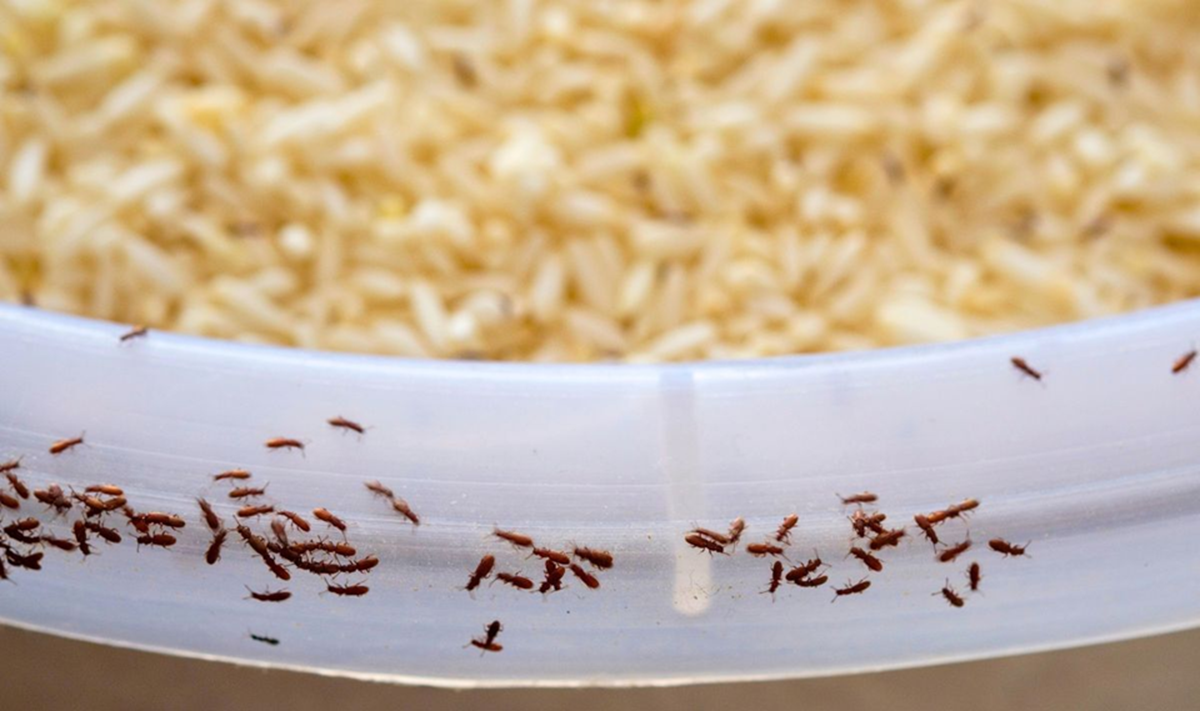
Rice Weevils: Dry grains like rice, flour, lentils, semolina, and gram flour can be infested with a variety of storage insects. These include the rice weevil, which is a black insect.
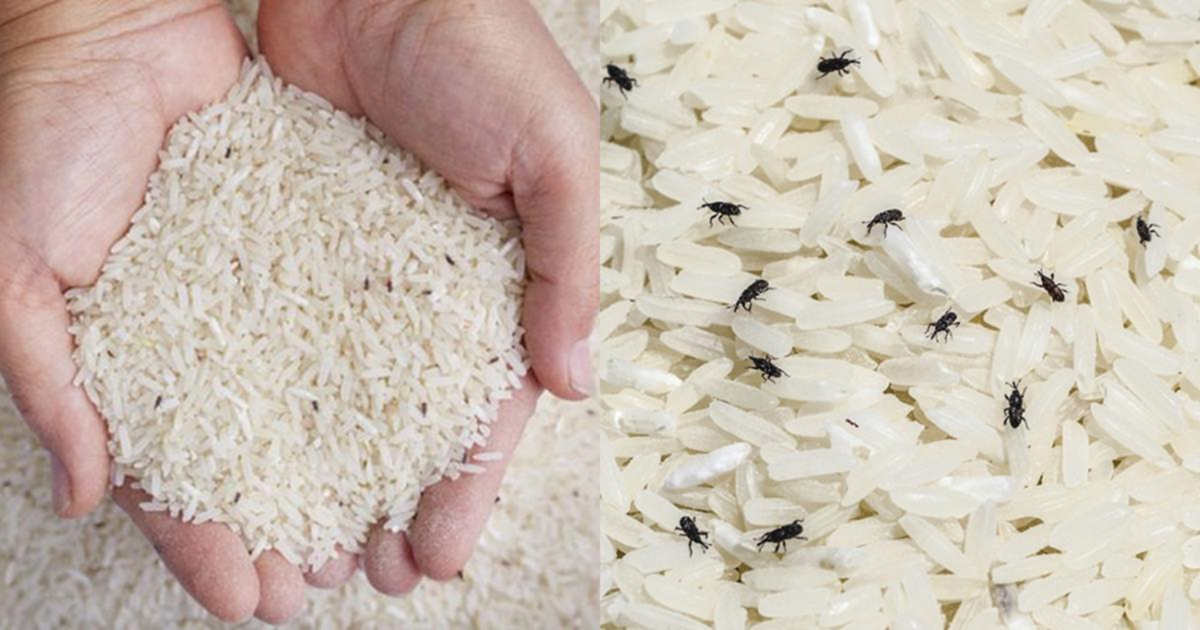
Causes and remedies for cobwebs and insects in rice
Why Cobwebs and Weevils Appear in Rice: Sometimes, when sifting rice, small, white, cobweb-like threads become visible. Some people also notice fine fibers, tiny insects, or white larvae between the rice grains. This often raises the question: where did these cobweb-like threads come from in the rice, and is it safe to eat? In fact, this is often due to insects infesting stored rice.
Why do small web-like threads start forming in rice?
Dry grains like rice, flour, lentils, semolina, and gram flour can be infested with a variety of storage insects. These include the rice weevil. These are very small, brown or black insects that can breed in grains. Their eggs and larvae can also develop within the grains. However, the fine web-like threads seen in rice are not the only identification of the rice weevil. Such threads can sometimes be formed by the larvae of other stored grain insects. Therefore, it is not correct to assume that rice is infested with only one type of insect based on the web-like threads alone.
Where do insects come from in rice?
People often think that rice is infested with insects due to improper storage, but this isn't always the case. Some insects or their eggs may have been present even before the grain was packaged. These eggs are so small that they're not easily visible. Later, if they find favorable conditions, they can hatch into larvae or insects. Heat and humidity can increase their activity. Storing rice for long periods, leaving moisture in the container, or not sealing the container properly can also contribute to the problem. This is why rice often appears clean when purchased, but after some time, small insects, white larvae, or web-like threads begin to appear in it.
Small holes in the rice can also be a sign
If you see small holes in the rice grains, along with tiny brown or black insects, this could be a sign of the presence of rice weevils. Rice weevils can lay eggs inside the grains, and after they develop, holes may appear in the grains. If you see small insects or larvae floating on the surface while washing rice, it should not be ignored. First, inspect the rice thoroughly and also check for any nearby flour, lentils, gram flour, or semolina. Insects can spread from one place to another in stored grains.
Read this also: Keep Rice Away From Moisture: There will be no insects in the rice, just put this one thing in the box
If you see cobweb-like threads in rice, how can you remove them?
If you notice even a small amount of insects or web-like threads in the rice, first separate it from other grains. Then, spread the rice out in a clean, dry area and inspect it thoroughly. A traditional method is to expose the rice to bright sunlight for a short time on a sunny day, which can reduce insect activity and cause many insects to emerge. Another method is to freeze the rice. Freezing rice in an airtight package or container for a few days can help control the eggs and larvae of many storage insects.
Cleaning the box is also important.
Simply removing insects from the rice isn't enough. It's also important to clean the container used to store the rice. Empty the container thoroughly and remove any remaining grains and dust. Then, wash the container thoroughly and dry it completely. Most importantly, ensure there's no moisture in the container. Even slight moisture can cause problems storing grains for long periods. Fill the container with rice only after the container is completely dry.
Avoid these mistakes
It's a common habit for many people to buy new rice and then dump it on top of the old rice. If there are insects or eggs in the old rice, they can spread to the new rice. Therefore, after finishing the old stock, clean the container before filling it with new rice. Also, avoid storing rice in open packets or containers with loose lids for long periods of time. Use airtight containers and keep it away from heat and moisture. It's also better to buy rice in smaller quantities so it doesn't have to be stored for months.