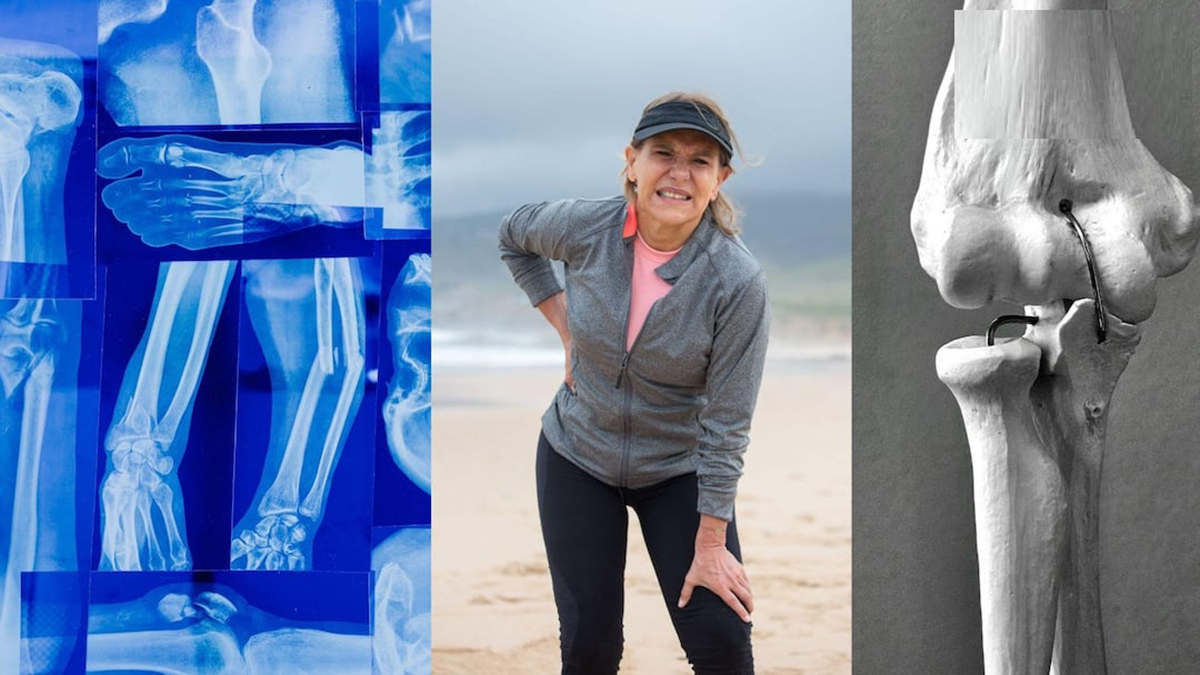
Bone density decreases with age. Learn what causes bones to weaken and what you need to do to maintain strong bone health.
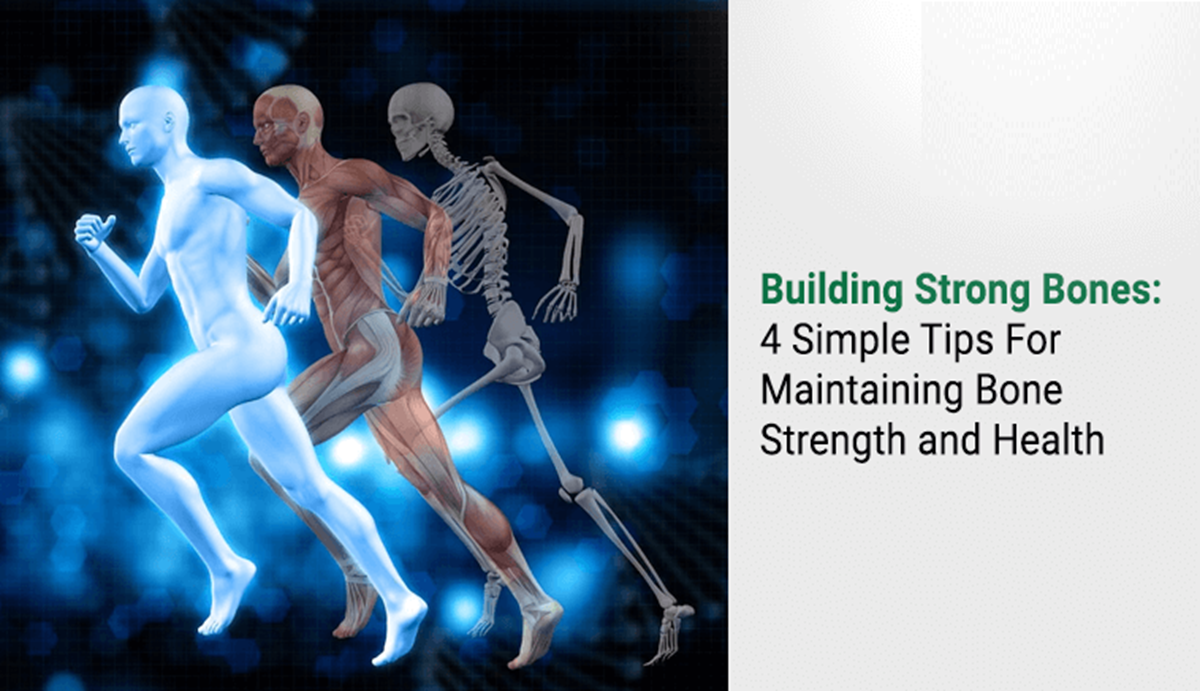
bone density
Bones support our bodies, aid movement, and perform daily activities. An important measure of bone strength is bone density, the mineral content of bones. These minerals primarily consist of calcium and phosphorus. Aging, poor diet, low physical activity, and certain health conditions can all lead to a decrease in bone density. Early detection is difficult, so it's important to maintain bone health.
What is bone density?
Bone density refers to the amount of minerals present in bones. When bones have good density, they remain strong. However, when density is low, bones become weak and prone to breakage. Low bone density is understood at different levels. In osteopenia, bone density is lower than normal, while in osteoporosis, this decrease is greater and the risk of fractures increases. A natural decrease in bone density with aging is normal. In women, especially after menopause, hormonal changes can increase the risk of osteoporosis. Furthermore, a lack of calcium and vitamin D in the body also affects bone health.
In which people is the risk of weakening of bones increased?
According to Dr. PK Gupta of Om Nursing Home, Agra, the causes of bone weakness are not the same for every individual. Aging is a major cause. Furthermore, prolonged lack of physical activity also affects bones. Bone health can also be affected in people who do not consume adequate calcium and vitamin D. Smoking and excessive alcohol consumption are also considered harmful to bones. Low body weight, family history, and certain health conditions are also risk factors. Long-term use of certain medications can also affect bone density. Therefore, if a person has been using any medication for a long time, they should take it as per the doctor's advice.
What to do to keep bones strong?
To maintain good bone health, it is important to include foods rich in calcium and vitamin D in your diet. Milk and dairy products, some green vegetables, and other calcium-rich foods can be included in your diet. Vitamin D can be obtained through sun exposure and, if needed, supplements taken with a doctor's advice. Walking, strength training, and other weight-bearing exercises are also beneficial for bones. Regular physical activity helps maintain bone strength while keeping the body active. If you experience persistent back pain, notice a decrease in height over time, or experience frequent fractures from minor injuries, you should consult a doctor. Bone density testing helps diagnose bone health.