Cinnamon Buying Tips: It is used to enhance the flavor and aroma of various dishes, from tea to biryani, pulao, sweets, and more. Not all cinnamon available on the market is the same.
How to Identify Genuine Ceylon Cinnamon
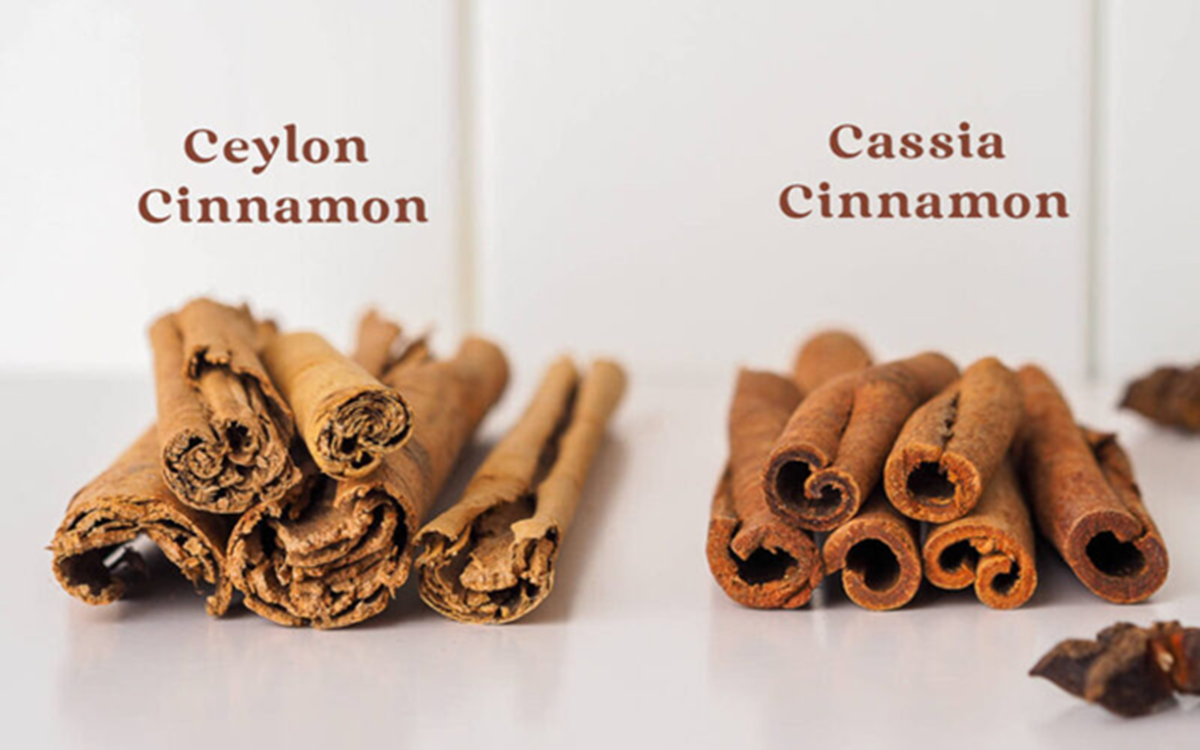
How to Identify Real Ceylon Cinnamon: Cinnamon is used in almost every Indian kitchen. It enhances the flavor and aroma of dishes ranging from tea to biryani, pulao, sweets, and many more. Not all cinnamon available on the market is the same. Two types of cinnamon are generally discussed: one is Ceylon cinnamon, also known as real or true cinnamon. The other is Cassia cinnamon, which can be quite similar in appearance.
Many people mistake Cassia for fake cinnamon, but it is also a type of cinnamon. The difference arises when another type of cinnamon is sold as Ceylon cinnamon. If you want to buy genuine Ceylon cinnamon, you can identify it by paying attention to a few simple points.
Identify by looking at the color.
When purchasing cinnamon, the first thing to consider is its color. Ceylon cinnamon is typically a light reddish-brown, while Cassia cinnamon can appear a darker reddish-brown. However, color alone cannot be a surefire way to identify genuine cinnamon. Different cinnamon varieties can also vary naturally. Therefore, consider color only as a guideline and be sure to check other factors as well.
Look closely at the layers of bark.
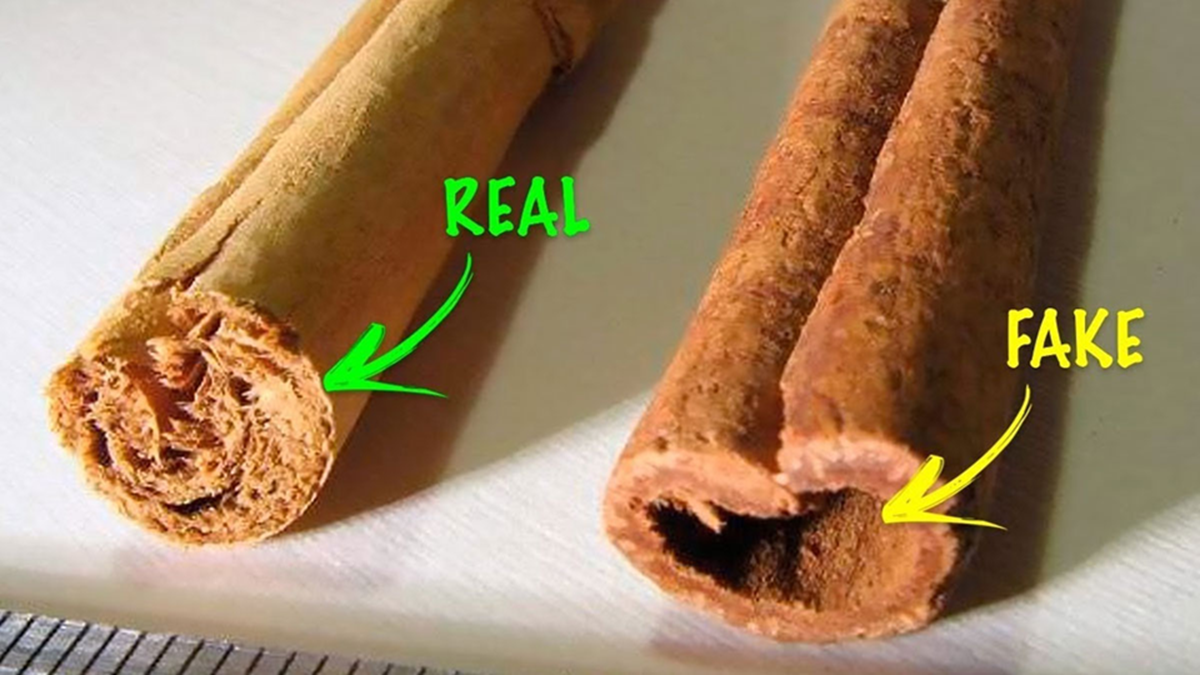
An easy way to identify authentic cinnamon is to look at its bark. Ceylon cinnamon sticks are made up of many thin layers. These layers appear to overlap each other, giving the inside of the stick a highly layered appearance.
Cassia bark, on the other hand, is generally thicker and tougher. It doesn't have the many thin layers that are easily visible in Ceylon cinnamon. This difference is more easily seen in whole cinnamon. If the cinnamon is ground, it becomes more difficult to identify.
You can also try breaking the stick.
Ceylon cinnamon has thin layers, making it relatively delicate. Cassia sticks, on the other hand, can be thicker and more rigid. You can determine this by carefully examining the whole cinnamon stick and gently breaking or bending it. If the cinnamon stick appears to be wrapped in many thin layers and is lightweight, it is likely Ceylon cinnamon. However, this method should not be relied upon solely, as moisture and processing can also cause variations in the stick's texture.
You can also understand the difference from the smell
The scent of cinnamon can also help identify it. The scent of Ceylon cinnamon is generally described as mild, sweet, and soft. Cassia, in contrast, can be more intense and pungent. If you have both types of cinnamon, comparing their scents can help distinguish the difference. However, scent alone cannot be used to definitively determine the type of cinnamon.
There is also a difference in taste.
Taste can also help distinguish between different types of cinnamon. Ceylon cinnamon is considered mild and slightly sweet, while Cassia cinnamon can be more intense, spicy, and astringent. However, taste alone cannot definitively determine whether cinnamon is genuine Ceylon. Different varieties have their own unique characteristics, and it is not possible to detect all adulteration or mislabeling based on taste alone.
Be sure to read the label
If you're specifically looking to buy Ceylon cinnamon, be sure to read the label. True cinnamon is usually labeled Cinnamomum verum. It's also sold as Ceylon cinnamon. Cassia, Indonesian cinnamon, and Vietnamese cinnamon are also available. These are all different varieties of cinnamon used commercially. Therefore, just because a package says "cinnamon" doesn't necessarily mean it's Ceylon cinnamon.
Ground cinnamon is difficult to identify.
If you're buying ground cinnamon, it's difficult to identify genuine Ceylon cinnamon by sight alone. Grinding removes the bark layers and other distinctive features, making it difficult to identify the true variety by color and texture. Therefore, if you're specifically looking for Ceylon cinnamon, buying whole sticks may be a more convenient option. By looking at the layers, color, and texture of the stick, you can get a better idea.