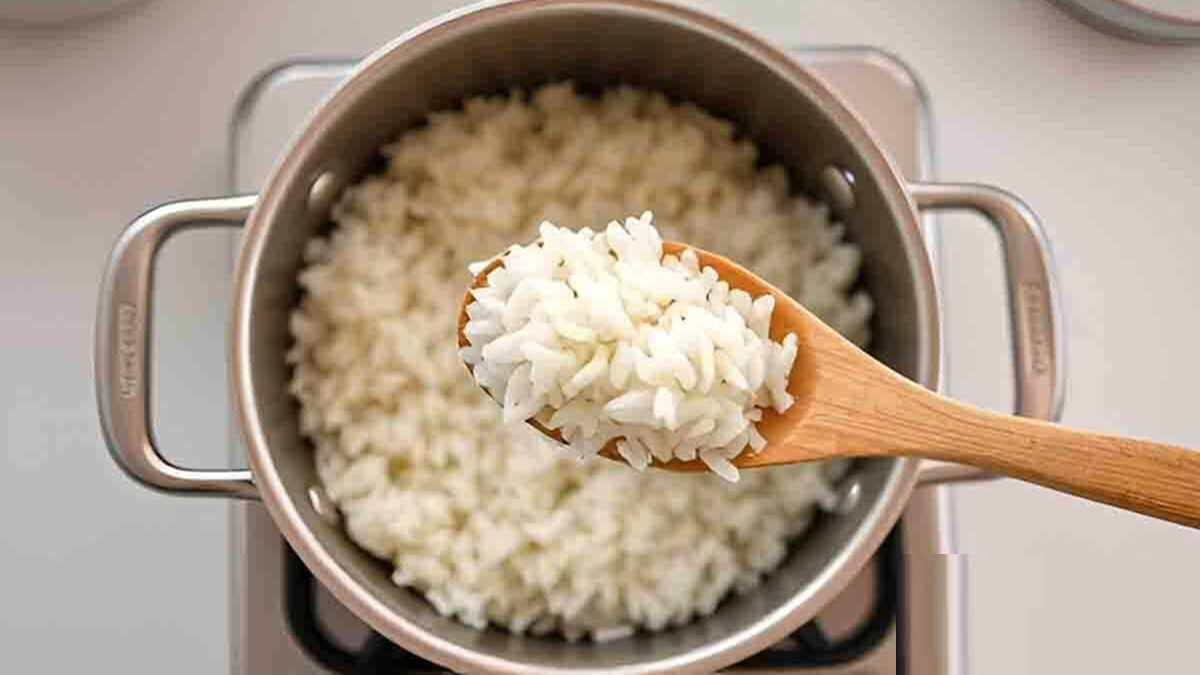
How to Prevent Rice from Sticking: Cooking rice properly isn't easy for everyone. Sometimes, upon opening the pot, you'll find the rice stuck together. Sometimes, the grains are overly soft.
Easy home remedies to make fluffy rice
How To Cook Perfect Fluffy Rice: Making rice seems easy, but cooking it properly isn't everyone's cup of tea. Sometimes, upon opening the pot, you'll find the rice stuck together. Sometimes, the grains are overly soft, while the bottom is soggy and the top remains uncooked. This problem is especially common with rice cooked daily. However, the quality of the rice isn't always to blame. The cooking method also plays a significant role.
If you want your rice grains to be distinct and fluffy, there are a few small things to keep in mind. The most important ones are removing excess starch from the rice, maintaining the right amount of water, and not stirring the rice frequently while cooking.
Why does rice become sticky?
Starch is present on the outer surface of rice grains. This starch is released into the water during cooking. If the rice is not washed properly, too much water is added, or the rice is cooked for too long, this starch can cause the grains to stick together. Stirring the rice repeatedly also breaks the grains and releases more starch. Therefore, to produce fluffy rice, not only the amount of water but also the washing and cooking methods must be correct.
Wash the rice 3-4 times.
The easiest and most effective way is to thoroughly wash rice before cooking. Place the uncooked rice in a bowl and rinse it under cold water. The water will appear white and cloudy. Drain and refill with clean water. Do this 3-4 times, until the water appears much clearer than before. This removes excess starch from the surface of the grains and can reduce the likelihood of the rice sticking together after cooking.
Soak for a while before cooking
Soaking the rice for about 20 minutes before cooking can also be helpful. This allows the grains to absorb water and cook more evenly during cooking. Basmati rice can also be soaked for about 20-30 minutes. However, it is not advisable to leave the rice in water for too long. Soaking for too long can weaken the grains and increase the likelihood of them breaking during cooking.
The most important amount of water
Incorrect water ratios are a major cause of sticky rice. Adding too much water can make the rice overly soft and cause the grains to stick together. Generally, for long-grain white rice, you can start with about 1.25 cups of water per cup of rice, while some common rice varieties may require more. The correct amount also depends on the rice variety, the vessel, and the cooking method. Therefore, a single ratio does not apply to all types of rice.
Reduce the heat after it comes to a boil.
Put the rice and water in a pot and bring it to a boil. Once the water reaches a full boil, reduce the heat to low and cover. There's no need to cook the rice continuously over high heat. On low heat, the rice cooks slowly in the steam, allowing the grains to retain their shape better.
Do not stir the rice frequently while cooking.
This small mistake can change the entire texture of the rice. Stirring the rice repeatedly while cooking can break the grains and release more of the starch they contain into the water, making the rice sticky. Therefore, after the water boils, cover the rice and let it cook. There's no need to lift the lid and check on it repeatedly.
Do not open the lid immediately after turning off the gas.
Once the rice is cooked, turn off the heat and let it rest for a while. Allowing it to rest for about 5-10 minutes gives the remaining water and steam time to spread evenly throughout the grains. Some people serve the rice immediately after cooking, which can cause the top and bottom grains to have different moisture levels. Waiting a little longer can improve the rice's texture.
Finally, fluff the rice like this.
After the rice is cooked, instead of stirring or pressing it vigorously, gently fluff it up and down with a fork or flat spoon. This helps separate the grains and reduces breakage. If you want fluffy rice, just keep these things in mind: wash the rice thoroughly, add water as needed, avoid over-stirring while cooking, reduce the heat after boiling, and let it rest for a while after cooking. Correcting these small mistakes can make a significant difference in the texture of your daily rice.