Electric Kettle Care: In addition to descaling, regular cleaning of the kettle is also essential. To clean the inside, rinse it with clean water and wipe it with a soft cloth. Avoid using steel wool or abrasive scrubbers.
How to clean white deposits from an electric kettle
How to Clean Limescale From an Electric Kettle: If you're noticing small flecks of white film when making tea or coffee in your electric kettle, or if it's taking longer to boil than usual, it could be due to limescale buildup inside the kettle. Cleaning it doesn't require vigorous scrubbing. Proper descaling can easily remove this buildup.
Why does a white layer form on an electric kettle?
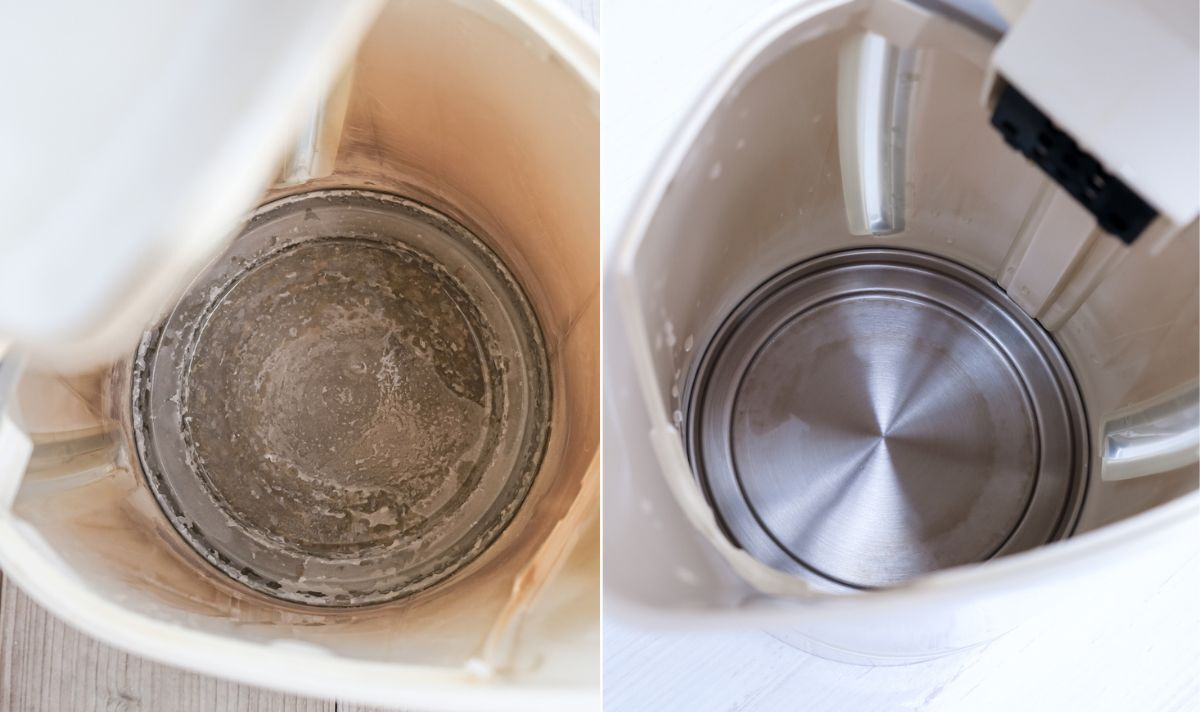
The white or light gray layer that appears on the inside of a kettle is called limescale. It's formed by minerals like calcium and magnesium present in hard water. When water is repeatedly heated, it evaporates, but these minerals accumulate on the surface of the kettle and the heating element below. This is why a white or grayish layer, small flakes, or a chalky coating may appear on the bottom of the kettle. If left untreated, it can clog the heating element, making it take longer to heat water.
Vinegar and water method to remove white film
White vinegar can be an easy option for cleaning an electric kettle. First, turn off the kettle and unplug it. Empty the water and disconnect the kettle from its power base. Keep the power base away from water. Now, pour equal amounts of white vinegar and water into the kettle. The mixture should be enough to completely submerge the area where the limescale has accumulated. Do not fill the kettle above the maximum limit. Then, bring the mixture to a boil. After boiling, turn off the kettle and let the vinegar-water mixture sit for 30 minutes to an hour. If the layer is very thick, it may need to be left on for longer.
After this, pour out the mixture and rinse the kettle thoroughly three or four times with clean water. Fill it with clean water, boil it once, and discard that water as well. If the vinegar smell remains, boil clean water again and discard it. Avoid repeatedly scrubbing the inside of the kettle to remove any deposits. If some flakes remain, the descaling process can be repeated.
If you don't want to use vinegar, here are some alternatives.
If you don't like the smell of vinegar or your kettle's manual prohibits its use, other alternatives are available. Citric acid is one option. Mix it with water and boil it in the kettle, leaving it for about 20 minutes. Then rinse thoroughly with clean water. Lemon juice can also be used. Mix the juice of one or two lemons with water, boil it, and let it sit for about an hour. Then, rinse the kettle thoroughly. Commercial descalers made for kettles can also be used. Always use them according to the package instructions.
Baking soda isn't a good choice for removing limescale. It can help reduce light stains and odors, but it won't dissolve the hardened limescale layer like acids do.
How to clean the inside and outside of the kettle?
In addition to descaling, regular cleaning of the kettle is also essential. To clean the interior, rinse it with clean water and wipe it with a soft cloth. Avoid using steel wool or rough scrubbers. The exterior of the kettle can be cleaned with a slightly damp cloth and a little mild dish soap. Afterward, wipe it with a dry cloth. If the kettle has a glass body, any haze can be removed with a soft cloth and a mild vinegar-water solution. If the model has a spout filter, remove it, rinse it with water, and clean it with a soft toothbrush. Wipe the power base only with a lightly damp cloth. Do not pour water on it or allow the electrical contacts to become wet.