Social media has become a powerful tool for communication, expression, and information sharing. Platforms like X (formerly Twitter) allow millions of users to post updates, opinions, and multimedia content in real time. However, the same platforms can also be misused to spread misinformation, incite unrest, or manipulate public sentiment.
Following recent incidents of unrest in parts of India, law enforcement agencies have intensified their focus on tracking suspicious online activity. Investigations have revealed that certain posts—sometimes even originating from outside the country—can amplify tensions and disrupt public order. This has raised an important question: How do police actually track social media posts?
Here’s a detailed look at the technologies and methods used by authorities to trace digital footprints.
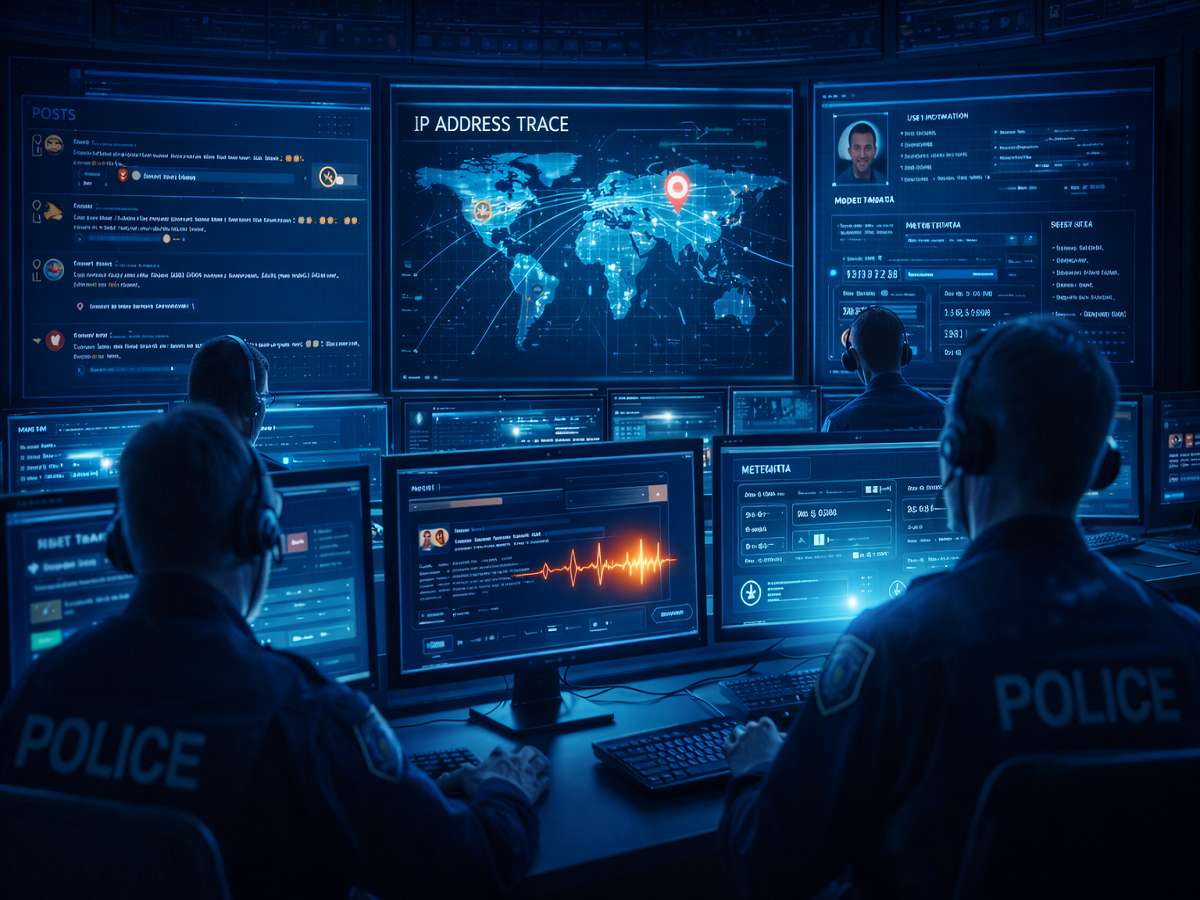
Dedicated Cyber Cells Monitor Online Activity
Most state police departments today have specialized cybercrime units equipped to monitor social media platforms. These cyber cells actively track:
- Trending hashtags
- Viral posts and videos
- Public groups and discussions
- Suspicious accounts and coordinated campaigns
During sensitive situations—such as protests, elections, or communal incidents—monitoring is significantly increased. These teams use advanced tools to identify patterns, detect unusual spikes in activity, and flag content that may pose a risk to public safety.
Metadata: The Hidden Information in Every Post
Every photo, video, or text post uploaded online carries hidden data known as metadata. This information can provide crucial clues during an investigation. Metadata may include:
- Date and time of upload
- Device details (such as smartphone or computer type)
- Location data (if enabled)
By analyzing this data, investigators can often determine when and where the content was created, even if the post itself does not explicitly reveal this information.
IP Address Tracking
One of the most important tools in digital investigations is the IP (Internet Protocol) address. An IP address acts like a digital identity for devices connected to the internet.
Law enforcement agencies can trace this address to:
- Identify the network used to upload content
- Estimate the geographical location of the user
- Track the origin of suspicious or harmful posts
While IP tracking may not always pinpoint an exact address, it significantly narrows down the source and helps investigators move forward.
Cooperation with Social Media Companies
When necessary, police can request user data from social media platforms. This is done through proper legal procedures and in compliance with national laws.
Platforms may provide:
- Account registration details
- Login history
- Associated email or phone numbers
This collaboration plays a crucial role in identifying individuals behind anonymous or fake accounts.
Advanced Analytics and AI Tools
Modern cybercrime units also use artificial intelligence (AI) and data analytics tools to detect coordinated campaigns or fake news networks. These systems can:
- Identify bot activity
- Track repeated patterns across multiple accounts
- Analyze large volumes of data quickly
Such tools help authorities act faster and prevent misinformation from spreading widely.
Legal Framework and Privacy Balance
It’s important to note that tracking social media activity is governed by strict legal frameworks. Authorities must follow due process before accessing personal data. The goal is to maintain a balance between ensuring public safety and protecting individual privacy.
Final Thoughts
As social media continues to influence public opinion and real-world events, monitoring online activity has become a key part of modern policing. From metadata analysis to IP tracking and AI-driven insights, law enforcement agencies now rely on a range of digital tools to trace the origin of posts and prevent misuse.
For users, this serves as a reminder that online actions leave a trace. Responsible use of social media is essential—not just for personal safety, but also for maintaining harmony in the digital space.