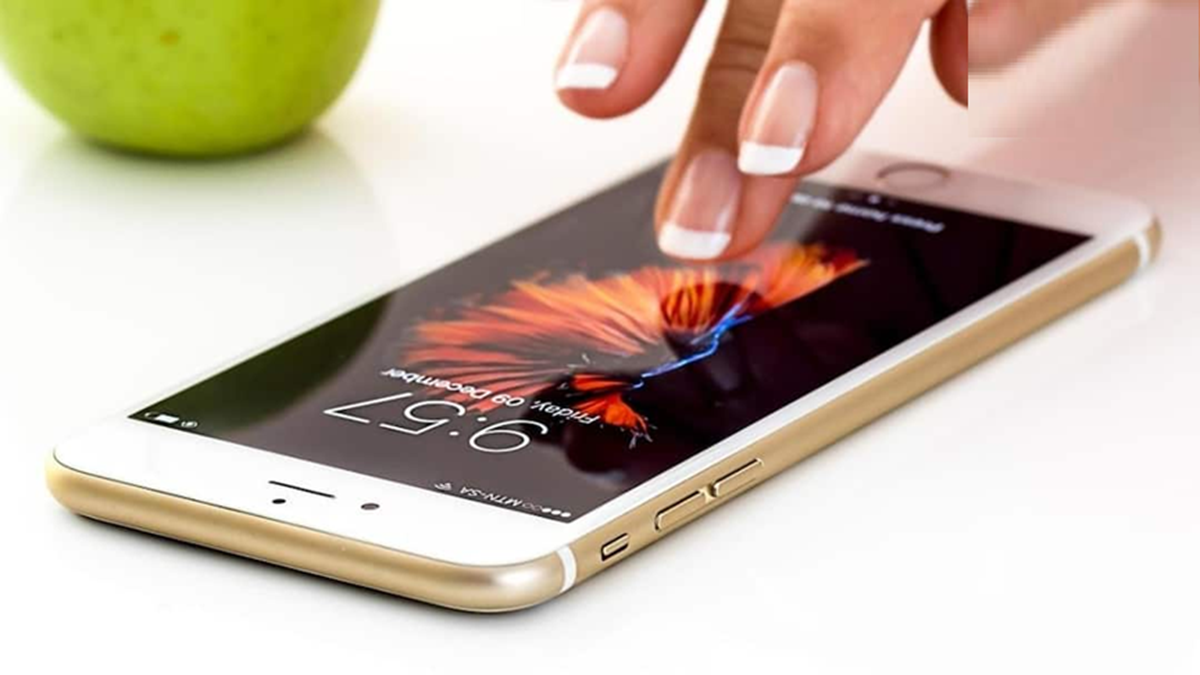
How Touchscreen Works: A very interesting technology works behind this, which is called a capacitive touchscreen.

(How the phone's touchscreen works)
How Touchscreen Works: In today's smartphones, the screen doesn't just display photos; it also senses every touch of our fingers and responds instantly. We tap, swipe, zoom in on photos with two fingers, and even write on the screen. But have you ever wondered how the phone knows where your finger is placed? Let's explore the technology behind it.
What is technology
According to reports, this technology is powered by a very interesting technology called a capacitive touchscreen. While a smartphone screen appears to be a single surface from the outside, it has multiple layers within it. These include a touch-sensing layer along with the display panel.
This layer can sense tiny electrical signals and changes in internal components. When you touch the screen, your finger creates a change in this system, and the phone recognizes that change as a touch.
How does a finger affect the screen?
It's worth noting that most advanced smartphones use capacitive touch technology. The screen's touch layer consists of a grid of extremely thin and transparent electrodes. A small electrical field is maintained around these electrodes.
Imagine a screen with hundreds of tiny sensor points. When you're not touching the screen, the system maintains a normal electrical condition. As soon as your finger approaches or touches the screen, the condition changes.
The human body makes a difference.
For your information, the human body plays a crucial role here. The human body possesses electrical power. Our bodies can influence electrical charges. When a finger comes into contact with the screen's electrical field, the capacitance changes.
The touch controller senses this change and then tries to determine which part of the screen the change occurred in. This means the phone doesn't detect your finger by looking at it like a camera. Instead, it measures the electrical changes occurring within the device to determine if the screen has been touched.
How does the phone know where you touched?
In fact, the electrodes in a smartphone's touchscreen form a network. When a finger touches a specific spot, a change in electrical signals is detected around that area.
The touch controller reads these changes and infers the condition of the touch. This information is then passed to the smartphone's processor and operating system.
For example, you tap an app icon in the bottom left corner of the screen. The touch system detects the X and Y coordinates of that location. The operating system recognizes that the app icon at that location has been tapped, and the app opens.