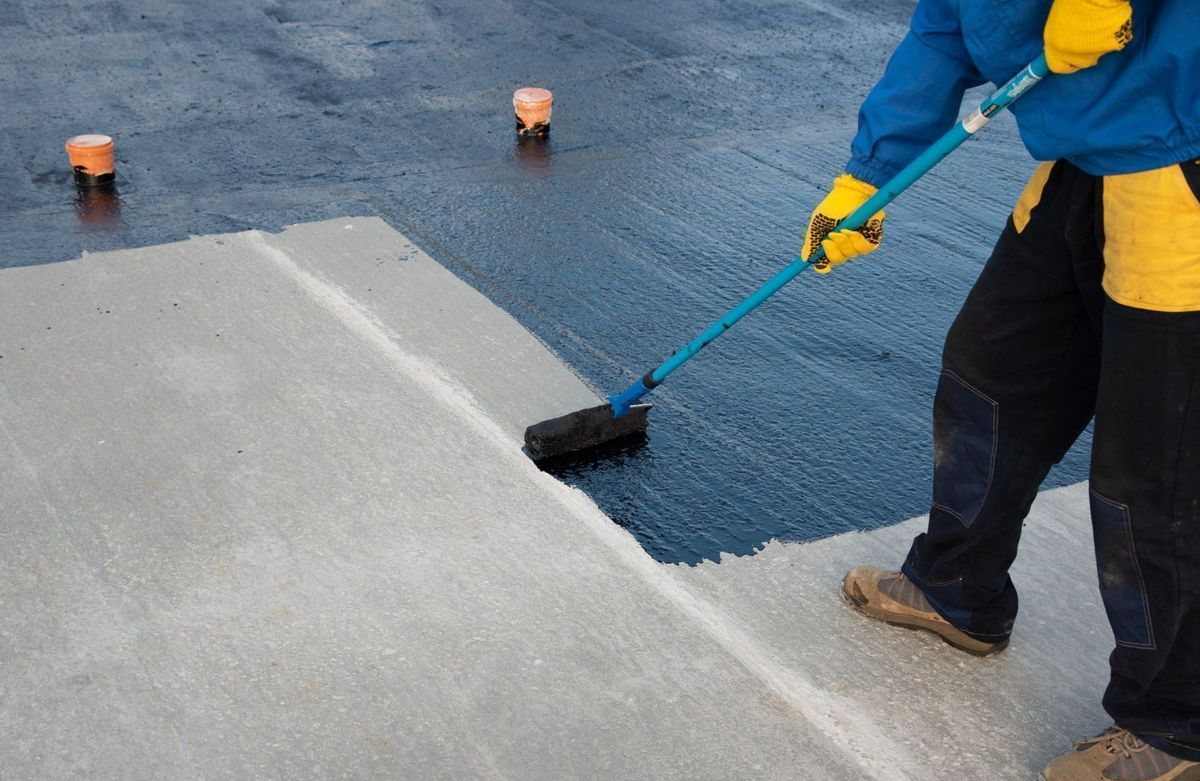
Home Maintenance Tips: Constant changes in weather can impact a home's waterproofing layer. Its strength can gradually diminish and its ability to resist moisture can be compromised.

The right way to check your home's waterproofing
Best Ways To Stop Roof Water Leakage: Most people ignore their home's waterproofing until water starts dripping from the roof or large signs of dampness appear on the walls. However, if the home's waterproofing is checked at least once a year, many minor problems can be detected early. Minor cracks, weak layers, or water drainage issues are easy to fix. However, if ignored for a long time, these same problems can damage the roof, walls, and paint.
Why waterproofing weakens over time
Sunlight, rain, and constant changes in weather can impact a home's waterproofing layer. This can gradually weaken its strength and compromise its ability to resist moisture. This damage is often invisible from the outside. Therefore, it's important to inspect it beforehand rather than waiting for water to leak into your home.
When to get tested in the year
A home's waterproofing should be checked at least once a year. In rainy areas, it may be more beneficial to check before and after the rains. Weak spots in the roof, gutters, and walls can be repaired before the rains. After the rains, it becomes clear whether any new dampness, leaks, or cracks have formed.
Check the surface of the ceiling and roof carefully
First, inspect the entire roof surface. Check for any cracks, large or small. If water remains on the roof for a long time after rain, don't ignore it as normal. If proper drainage isn't properly maintained, persistent water can damage the house's waterproofing. If the waterproofing layer on the roof appears to be peeling, swollen, or worn out, pay attention to that area as well. Keep the rainwater drains clean. If the drainage channels are blocked by debris, water can accumulate on the roof during heavy rain.
It is also important to check the outer walls.
The exterior walls of the house are directly affected by rain and sunlight. Therefore, look for small cracks, peeling paint, or signs of dampness on these walls. A white, powdery substance on the wall could also be a sign of moisture penetration. Also, carefully inspect the edges of windows and doors. The sealing in these areas can deteriorate over time, allowing water to enter.
Don't forget the balcony and parapet
Balconies and roof parapets are areas that are constantly exposed to rain and sun. Small cracks, damaged lining, or water accumulation may be present here. Inspect the area where the roof and parapet meet, especially carefully. The junction of the two surfaces can increase the risk of water infiltration.
Look around the basement and foundation
If the house has a basement, look for signs of moisture or dampness on its walls. A persistent odor emanating from inside can also indicate dampness. If you see moisture rising upwards on the walls from ground level, it should also be inspected.
Check bathrooms and wet areas
In the bathroom, pay attention to the spaces between floor and wall tiles, joints, and around water taps or other fittings. It's important to check for leaks. Water leaking from these areas can slowly seep into the walls or floors. In the kitchen and laundry area, also check under sinks and around water pipes. Small leaks are often not immediately visible, but can cause damp problems if left untreated.
Also check the water tank and pipes.
Include annual inspections of all areas in your home where water accumulates or flows through pipes. Don't ignore any cracks, leaks, or rust in the water tank. Also check for water marks or persistent moisture around pipes.
Recognize Signs of Waterproofing Failure
Damp spots, mold, or moss-like growth on walls or ceilings can be a sign of water infiltration. Swelling or peeling paint can also be caused by moisture. If a persistent musty smell lingers in any part of the house, be sure to inspect that area. If dampness appears in the same area every monsoon season, it could mean the underlying problem hasn't been completely addressed.