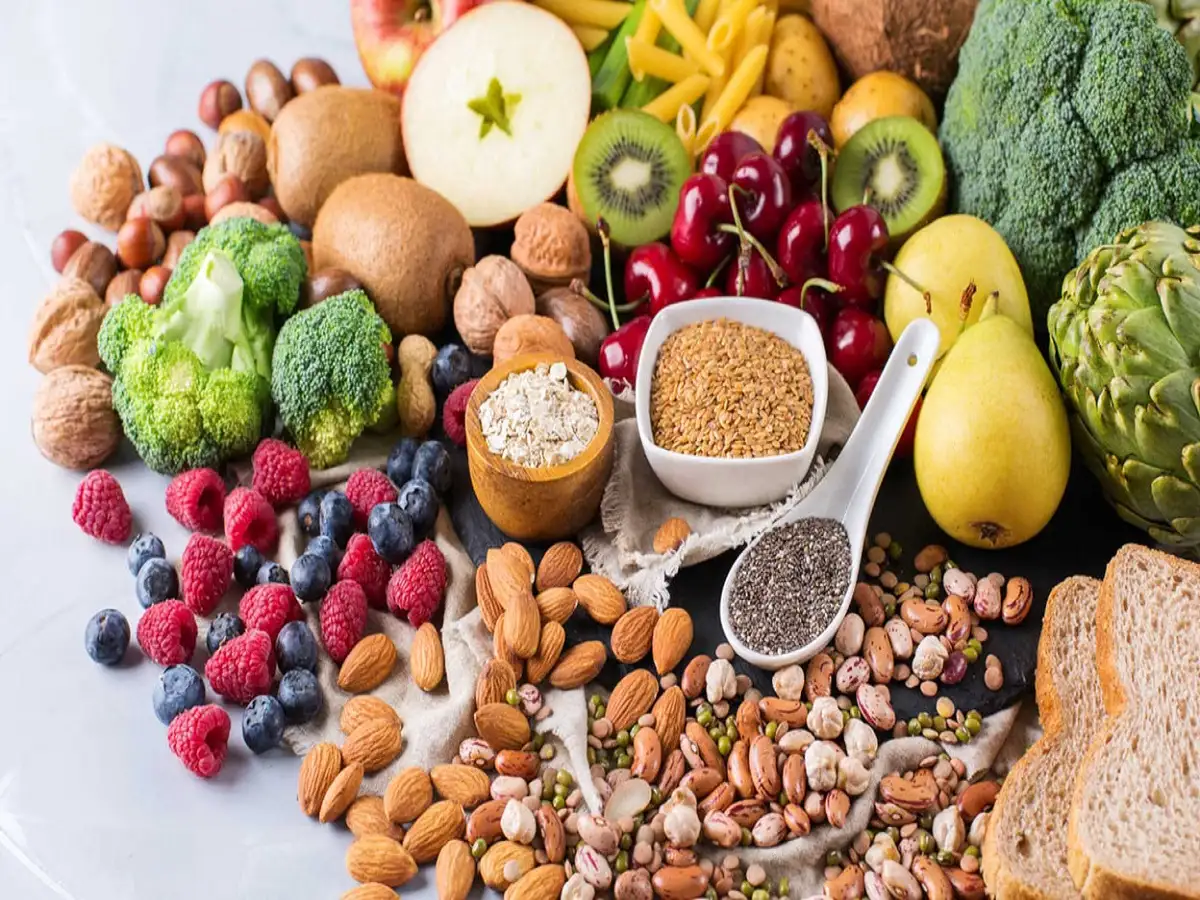
High Cholesterol Diet: High cholesterol often develops without obvious warning signs, yet elevated levels of LDL, commonly called “bad” cholesterol, can contribute to the buildup of fatty deposits in the arteries and increase the risk of cardiovascular disease over time. This makes managing cholesterol an important part of protecting long-term heart health.
Diet can play a meaningful role in cholesterol management. Choosing foods rich in soluble fibre and unsaturated fats while reducing saturated and trans fats can support healthier cholesterol levels. Regular exercise, maintaining a healthy weight and following prescribed treatment are also important.
No single food can eliminate high cholesterol on its own. However, adding certain foods to a balanced diet may help improve your overall cholesterol profile. Here are six options worth considering.
1. Oats and Barley: Add More Soluble Fibre
Oats and barley are particularly useful because they contain soluble fibre.
This type of fibre forms a gel-like substance in the digestive system and can help reduce the absorption of cholesterol. Oats contain a soluble fibre known as beta-glucan, making them a practical breakfast option for people trying to improve their heart-friendly diet.
Oatmeal can be combined with fruit, seeds or a small portion of nuts rather than large amounts of added sugar.
Barley can also be incorporated into soups, salads and other meals.
The benefit comes from including fibre-rich foods consistently rather than eating them occasionally and expecting an immediate reduction in cholesterol.
2. Beans and Lentils: Fibre-Rich Alternatives to Fatty Foods
Beans, lentils, chickpeas and other pulses can be valuable additions to a cholesterol-conscious diet.
They provide fibre and plant-based protein while generally containing less saturated fat than many fatty animal-based protein sources.
Indian diets already offer numerous ways to include pulses through dal, chana, rajma and other dishes.
Preparation matters, however. A nutritious ingredient can become much less heart-friendly when prepared with excessive butter, cream or saturated fat.
Using beans and lentils to replace some meals high in saturated fat may be more beneficial than simply adding them on top of an already calorie-heavy diet.
3. Almonds and Walnuts: Healthy Fats in a Small Package
Nuts such as almonds and walnuts contain unsaturated fats, fibre and several other nutrients.
Replacing foods high in saturated fats with appropriate portions of nuts may support cardiovascular health.
Walnuts also contain plant-based omega-3 fatty acids, while almonds provide monounsaturated fats along with other nutrients.
Portion size is still important because nuts are calorie-dense. A modest serving can be incorporated into breakfast, snacks or salads without turning them into an unlimited snack food.
Choose plain or minimally processed nuts where possible rather than varieties covered in excessive salt, sugar or coatings.
4. Avocado: A Source of Monounsaturated Fat
Avocado contains monounsaturated fats and fibre, both of which can fit into a heart-conscious eating pattern.
The key is substitution.
Adding avocado to a meal already high in saturated fat will not necessarily make the overall diet healthier. Instead, it can be used to replace ingredients that contain less favourable types of fat.
Avocado can be added to salads, sandwiches and other meals in moderate portions.
Although nutritious, it is also relatively calorie-dense, so quantity should still be considered when managing overall energy intake.
5. Fatty Fish: Omega-3s Can Help With Triglycerides
Fatty fish such as salmon and sardines are known for their omega-3 fatty acid content.
Omega-3 fatty acids are particularly associated with helping reduce triglyceride levels and supporting cardiovascular health.
Tuna can also provide useful nutrients, although its omega-3 content varies considerably depending on the type.
How fish is prepared is important. Grilling, baking or other cooking methods that do not add large amounts of unhealthy fat are preferable to repeatedly deep-frying it.
People who do not eat fish can discuss suitable alternatives with a qualified healthcare professional or dietitian.
6. Olive Oil: Consider the Type of Fat You Use
Olive oil is rich in monounsaturated fats and can be used as part of a balanced diet.
Its potential benefit is strongest when it replaces sources of saturated fat rather than simply adding more fat and calories to meals.
Regardless of which cooking oil you choose, moderation remains important. Oils are calorie-dense, and using very large amounts is not necessary to obtain nutritional benefits.
The broader goal should be improving the overall balance of fats in your diet.
Foods to Limit When LDL Cholesterol Is High
Adding healthier foods is only one side of cholesterol management. Reducing foods high in saturated and trans fats can also be important.
Depending on your overall diet, this may mean limiting excessive amounts of deep-fried foods, fatty meats, butter, ghee and full-fat dairy products.
This does not necessarily mean that every food containing saturated fat must be eliminated completely. The overall dietary pattern, frequency and portion sizes matter.
Packaged foods should also be checked carefully because some may contain significant amounts of saturated fat, added sugars, sodium and calories.
Lifestyle Changes Matter Too
Diet alone may not be enough for everyone with high cholesterol.
Regular physical activity can support cardiovascular health and weight management. Walking, cycling, swimming or other forms of exercise can be incorporated according to a person's health, fitness and medical circumstances.
Maintaining a healthy body weight may also help improve several cardiovascular risk factors.
Getting sufficient sleep and finding sustainable ways to manage stress can contribute to overall well-being.
Smoking should be avoided because it significantly increases cardiovascular risk. Alcohol consumption should also be limited according to medical guidance.
Don't Stop Cholesterol Medicine Without Medical Advice
Some people can improve their cholesterol levels through lifestyle changes, while others may need medication in addition to diet and exercise.
If a doctor has prescribed cholesterol-lowering medicine, take it as directed.
Do not stop treatment simply because your cholesterol level improves or because you have changed your diet. The improvement may partly reflect the effectiveness of the medication itself.
Any decision to change the dose or discontinue a medicine should be discussed with the prescribing healthcare professional.
How Do You Know If Your Cholesterol Is High?
One of the challenges with high cholesterol is that it usually does not cause noticeable symptoms.
A person can feel completely healthy while having elevated LDL cholesterol or triglycerides. This is why relying on symptoms alone is not a reliable way to know your cholesterol status.
A blood test known as a lipid panel or lipid profile can measure different blood fats, including LDL cholesterol, HDL cholesterol and triglycerides. Depending on the test, total cholesterol may also be reported.
How often you need testing depends on factors such as age, medical history and cardiovascular risk.
The Bottom Line
Improving cholesterol levels is generally about building a sustainable heart-friendly lifestyle rather than searching for one “miracle” food.
Oats, barley, beans, lentils, nuts, avocado, fatty fish and appropriate unsaturated oils can all be incorporated into a balanced diet. At the same time, reducing excessive saturated and trans fats, exercising regularly, avoiding smoking and following prescribed treatment can support cardiovascular health.
If you already have high cholesterol, diabetes, high blood pressure, heart disease or other cardiovascular risk factors, speak with your doctor or a qualified dietitian before making major dietary or medication changes.
Disclaimer: This article provides general health information and is not a substitute for individual medical advice, diagnosis or treatment.