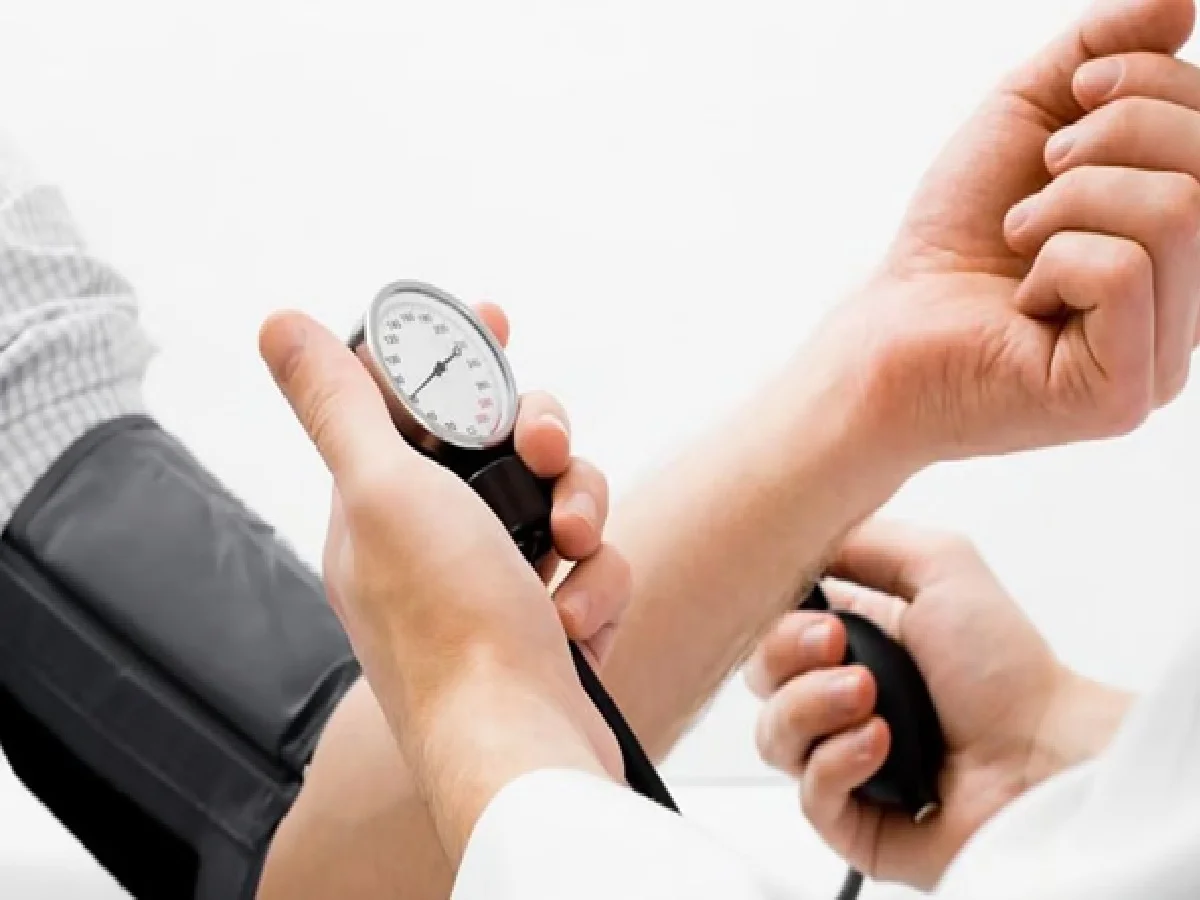
High blood pressure is no longer considered a health condition that affects only older adults. In recent years, an increasing number of people in their 30s and 40s have been diagnosed with hypertension, making it a growing public health concern. Health experts believe that modern lifestyles, unhealthy eating habits, chronic stress, and reduced physical activity are among the leading reasons behind this trend.
Although high blood pressure often develops without noticeable symptoms, it can significantly increase the risk of heart disease, stroke, kidney problems, and other serious health complications if left unmanaged.
Here's what experts say about the common causes, warning signs, and practical ways to keep your blood pressure under control.
Why Is High Blood Pressure Increasing Among Younger People?
According to medical experts, major lifestyle changes over the past decade have contributed to the rising number of hypertension cases among young adults.
Several daily habits can gradually increase blood pressure over time, including:
- Eating unhealthy processed foods.
- Lack of regular exercise.
- Chronic workplace or personal stress.
- Poor sleep quality.
- Weight gain and obesity.
- Smoking and excessive alcohol consumption.
These factors often work together, increasing the strain on the heart and blood vessels.
Excess Salt Is One of the Biggest Risk Factors
One of the most common contributors to high blood pressure is excessive sodium intake.
Many packaged foods, ready-to-eat meals, fast food items, and restaurant dishes contain large amounts of salt. Regular consumption of these foods can gradually increase blood pressure by causing the body to retain excess fluid, putting additional pressure on blood vessels.
To reduce sodium intake, experts recommend:
- Limiting processed and packaged foods.
- Choosing fresh fruits and vegetables.
- Reading nutrition labels before purchasing packaged products.
- Reducing the amount of salt added during cooking.
Small dietary changes can make a significant difference over time.
Lifestyle Habits That Increase Blood Pressure
Apart from high salt intake, several other habits can contribute to hypertension.
These include:
- Physical inactivity.
- Being overweight or obese.
- Smoking tobacco.
- Frequent alcohol consumption.
- Inadequate sleep.
- Long-term mental stress.
Improving these lifestyle factors can help reduce the likelihood of developing high blood pressure and improve overall cardiovascular health.
Hot Weather Can Also Affect Blood Pressure
People who already have hypertension or heart-related conditions may need to be especially careful during periods of extreme heat.
High temperatures and dehydration can disturb the body's fluid balance, potentially affecting blood pressure regulation. Drinking enough water and avoiding prolonged exposure to excessive heat may help reduce related health risks.
Individuals with existing heart conditions should follow their doctor's advice during hot weather and seek medical attention if symptoms worsen.
What Is Considered a Normal Blood Pressure?
Blood pressure is measured using two numbers:
- Systolic pressure (upper reading): Pressure when the heart pumps blood.
- Diastolic pressure (lower reading): Pressure when the heart rests between beats.
Generally:
- Normal blood pressure: Below 120/80 mmHg.
- Elevated blood pressure: Systolic between 120–129 mmHg and diastolic below 80 mmHg.
Persistent readings above the normal range should be evaluated by a healthcare professional.
Common Warning Signs of High Blood Pressure
High blood pressure is often called a "silent condition" because many people experience no symptoms during the early stages.
However, some individuals may experience:
- Frequent headaches.
- Dizziness.
- Chest discomfort.
- Blurred vision.
- Unusual fatigue.
- Shortness of breath.
These symptoms can have many possible causes and do not always indicate high blood pressure. If they occur repeatedly or become severe, consult a qualified healthcare professional for proper evaluation.
Who Should Get Regular Blood Pressure Check-Ups?
Regular blood pressure monitoring is especially important for people who have:
- A family history of hypertension.
- Diabetes.
- Heart disease.
- Previous heart attack or stroke in close relatives.
- Obesity or excess body weight.
Even healthy adults with no symptoms can benefit from periodic blood pressure checks, as hypertension often develops without obvious warning signs.
How to Keep Blood Pressure Under Control
Medical experts recommend adopting healthy daily habits to reduce the risk of hypertension.
These include:
- Reduce salt intake.
- Exercise regularly.
- Maintain a healthy body weight.
- Drink adequate water throughout the day.
- Get sufficient sleep each night.
- Manage stress through relaxation techniques or physical activity.
- Avoid smoking and limit alcohol consumption.
Consistently following these habits can improve heart health and help maintain healthy blood pressure levels.
Final Thoughts
The increasing number of hypertension cases among younger adults highlights the importance of maintaining a healthy lifestyle. Poor dietary choices, excessive salt consumption, stress, lack of exercise, and unhealthy habits are all significant contributors to rising blood pressure.
Because high blood pressure often develops without noticeable symptoms, regular health check-ups and routine blood pressure monitoring are essential. By making simple lifestyle changes and seeking medical advice when necessary, individuals can reduce their risk of long-term cardiovascular complications and maintain better overall health.
Disclaimer: This article is intended for informational purposes only and should not be considered medical advice. Always consult a qualified healthcare professional for diagnosis, treatment, or concerns related to your blood pressure or overall health.