The arrival of the monsoon brings welcome relief from the summer heat, but it also introduces high humidity levels that can affect the freshness and safety of stored food. Increased moisture creates favorable conditions for the growth of bacteria and mold, making proper food storage even more important during the rainy season.
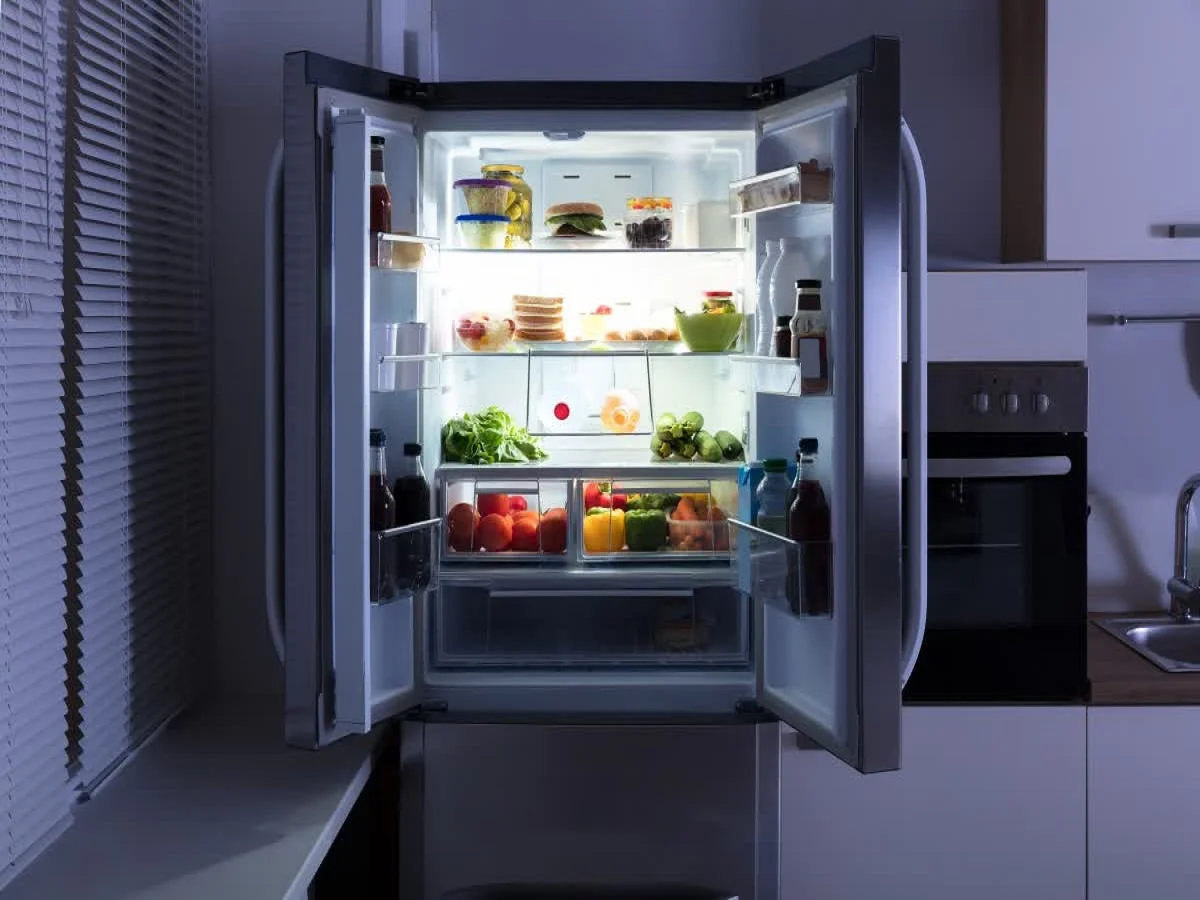
One of the simplest ways to protect fruits, vegetables, dairy products, and cooked meals is to ensure your refrigerator is operating at the correct temperature. Setting the temperature too high can cause food to spoil more quickly, while unnecessarily low settings may increase electricity consumption without providing additional benefits.
Here's what you should know about maintaining the ideal refrigerator temperature during the monsoon.
Why Refrigerator Temperature Matters During the Rainy Season
Humidity levels rise significantly during the monsoon, creating an environment where microorganisms can multiply more rapidly if food is not stored properly.
An incorrectly set refrigerator may lead to:
- Faster spoilage of fresh produce.
- Reduced shelf life of dairy products.
- Growth of bacteria and mold.
- Unpleasant odors inside the refrigerator.
- Increased food waste.
Maintaining the proper cooling temperature helps preserve food quality and supports food safety.
Recommended Refrigerator Temperature
Food safety experts generally recommend keeping the refrigerator compartment between 2°C and 4°C.
This temperature range helps:
- Keep fruits and vegetables fresh for longer.
- Preserve milk and dairy products.
- Maintain the quality of cooked food.
- Slow the growth of harmful bacteria.
Avoid raising the refrigerator temperature above this range, particularly during periods of high humidity.
Adjust the Cooling Based on Weather Conditions
Many refrigerators offer adjustable cooling levels rather than displaying the exact internal temperature.
If your refrigerator uses numbered settings:
- During relatively cool and less humid weather, a medium cooling setting (often around level 3, depending on the appliance) is generally sufficient.
- If temperatures and humidity increase, you may need to select a slightly cooler setting to maintain an internal temperature between 2°C and 4°C.
The exact setting required may vary depending on the refrigerator model, room temperature, and how frequently the door is opened. Refer to the manufacturer's instructions for guidance specific to your appliance.
Avoid Setting the Temperature Too High
Some people reduce cooling during the rainy season to save electricity.
However, if the refrigerator becomes too warm:
- Food may spoil more quickly.
- Bacterial growth may increase.
- Dairy products may lose freshness.
- Leftover meals may become unsafe to consume sooner than expected.
Maintaining a consistent food-safe temperature is more important than making frequent adjustments.
Keep the Refrigerator Door Closed
Every time the refrigerator door is opened, warm and humid air enters the appliance.
Frequent opening can:
- Increase internal temperature.
- Force the compressor to work harder.
- Reduce cooling efficiency.
- Shorten the freshness of stored food.
Try to organize food items so you can quickly find what you need without keeping the door open for long periods.
Store Food in Airtight Containers
Moisture is one of the biggest challenges during the monsoon.
Using airtight containers helps:
- Prevent excess moisture from reaching food.
- Reduce odor transfer.
- Minimize bacterial contamination.
- Extend the freshness of leftovers.
Proper storage also keeps different foods from affecting each other's flavor and quality.
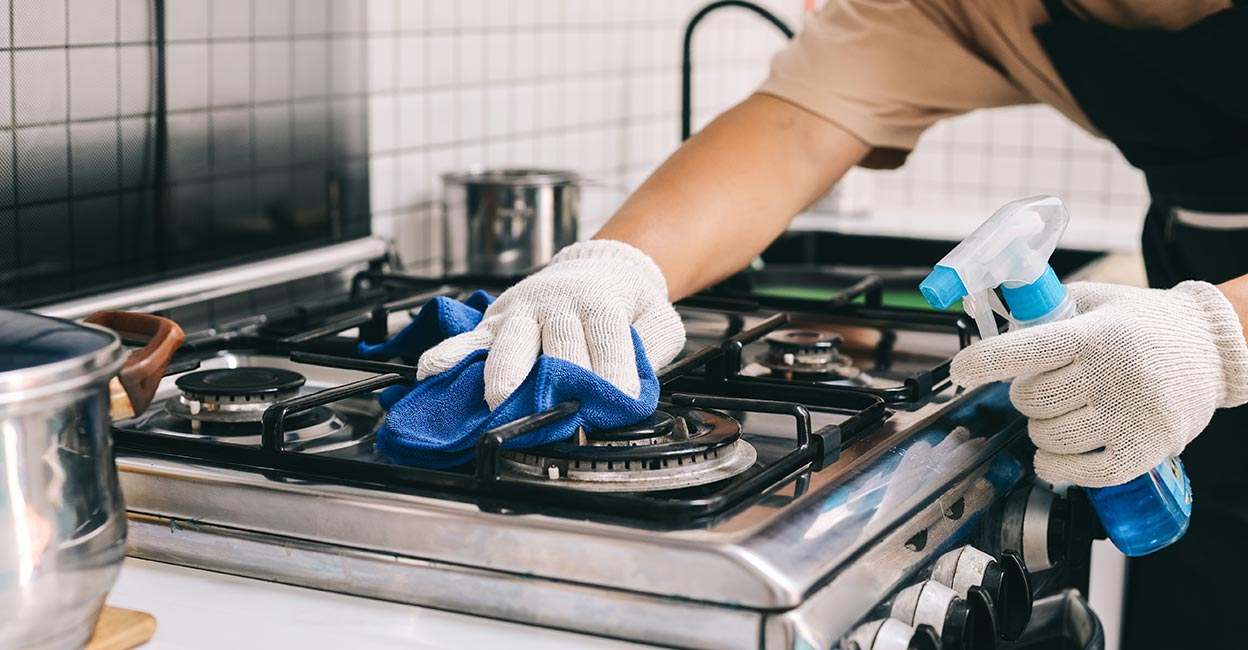
Clean Your Refrigerator Regularly
Regular cleaning is especially important during humid weather.
Clean the refrigerator shelves and compartments periodically to remove:
- Food spills.
- Moisture buildup.
- Mold.
- Unpleasant odors.
A clean refrigerator supports better hygiene and helps maintain food quality.
Check the Door Gasket
The rubber gasket around the refrigerator door plays an important role in maintaining cooling efficiency.
Inspect the seal regularly to ensure:
- It closes tightly.
- There are no cracks or tears.
- Warm air is not entering the refrigerator.
A damaged gasket can reduce cooling performance and increase electricity consumption.
Additional Tips for Monsoon Food Storage
To keep your refrigerator working efficiently during the rainy season:
- Avoid overloading the refrigerator.
- Allow hot food to cool before storing it.
- Check expiry dates regularly.
- Discard spoiled or expired food promptly.
- Ensure proper airflow inside the refrigerator by not blocking air vents.
These simple habits can improve both food safety and appliance performance.
Final Thoughts
The monsoon season brings higher humidity, making proper refrigerator settings more important than ever. Keeping your refrigerator between 2°C and 4°C, storing food in airtight containers, minimizing door openings, cleaning the appliance regularly, and ensuring the door seal is in good condition can help preserve food quality and reduce spoilage.
Following these simple maintenance practices not only keeps your food fresh for longer but also helps your refrigerator operate more efficiently throughout the rainy season.
Disclaimer: The recommended temperature range provided in this article reflects widely accepted food safety guidance. Actual settings may vary depending on your refrigerator model. Always consult the manufacturer's user manual for operating instructions specific to your appliance.