LIFESTYLE
Heart Health: Place your finger on your wrist and find out your heart's condition in 10 seconds, experts explain how to detect the disease.

10-Second Pulse Check: Some people use smartwatches to count their steps, others monitor their blood pressure and sleep. But there's one simple and old method that most people still overlook.
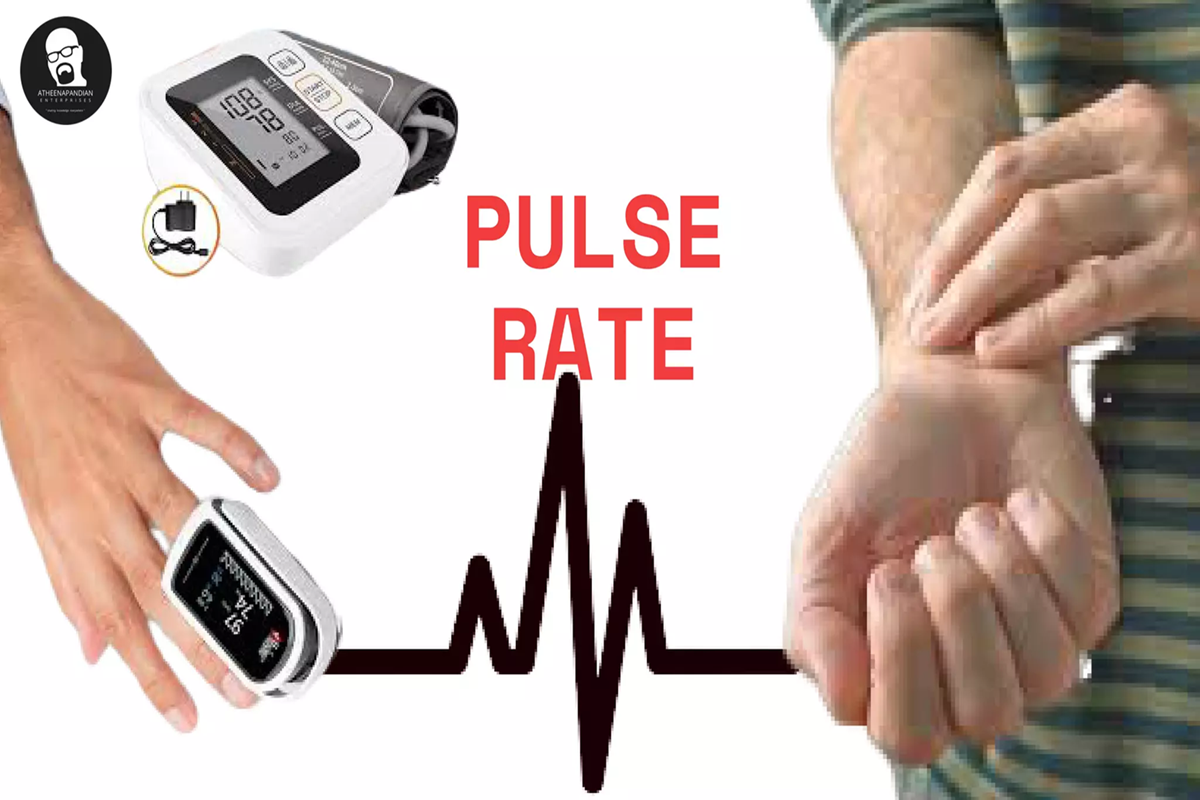
How to detect heart disease in 10 seconds?
How to Check Your Pulse for Heart Problems: Nowadays, people are more health-conscious than ever. Some are counting their steps with smartwatches, others are monitoring their blood pressure and sleep. But one simple and time-tested method related to heart health that most people still overlook is checking their pulse. Let us explain why this is important for you.
Checking the pulse to determine the heart
Experts say that checking your pulse for just 10 seconds can detect early signs of a heart problem that can persist for a long time without causing any symptoms. This information is especially important during World Heart Rhythm Week, which aims to raise awareness about heart rhythm-related diseases.
How does it work?
Atrial fibrillation is one of the most common heart rhythm problems. This condition causes the upper chambers of the heart to beat irregularly, disrupting the heart's normal rhythm. The problem is that many people don't experience any obvious symptoms. Some patients may experience palpitations, shortness of breath, dizziness, or fatigue, but many feel completely normal.
Sometimes present without any symptoms
According to the US National Heart, Lung, and Blood Institute, atrial fibrillation can sometimes be asymptomatic and only detected during routine checkups. If left untreated, it can increase the risk of stroke and other heart problems. Dr. Pradeep Jain told TOI that a simple pulse check can often provide early indications of an irregular heartbeat.
How can you find out in 10 seconds?
According to him, place your index and middle fingers on the inside of your wrist, below your thumb, and feel for a heartbeat for about 10 seconds. If the heartbeat is regular and at even intervals, it's usually nothing to worry about. However, if the heartbeat feels too fast, too slow, or too irregular, it may be necessary to consult a doctor. However, experts also clarify that checking the pulse alone cannot confirm atrial fibrillation or any other condition. It only serves as an early warning sign, enabling timely medical attention. According to Dr. Pradeep Jain, conditions such as aging, high blood pressure, diabetes, obesity, heart disease, and lack of physical activity can increase the risk of irregular heartbeats. Given the rapidly increasing incidence of these problems in India, people should pay attention to their heart rhythm.