Coffee is one of the world's most popular beverages, enjoyed by millions for its rich flavor and stimulating effects. The caffeine it contains can improve alertness, concentration, and short-term mental performance. However, caffeine affects everyone differently, and excessive coffee consumption may not be suitable for certain individuals.
Health experts generally agree that moderate coffee intake is safe for most healthy adults, but people with specific medical conditions or increased sensitivity to caffeine may benefit from reducing their consumption.
Here are six groups of people who may need to limit or avoid coffee after consulting a healthcare professional.
1. People With Insomnia or Sleep Problems
If you struggle with insomnia or have difficulty falling asleep, caffeine may make the problem worse.
Caffeine can remain in the body for several hours and may:
- Delay sleep onset.
- Reduce sleep quality.
- Cause frequent nighttime awakenings.
Experts often recommend avoiding coffee during the late afternoon and evening if sleep is a concern.
2. People With High Blood Pressure
Coffee can cause a temporary rise in blood pressure, particularly in individuals who are sensitive to caffeine or do not consume it regularly.
If you have hypertension:
- Monitor your blood pressure regularly.
- Consume coffee in moderation.
- Follow your doctor's recommendations regarding caffeine intake.
For many people with well-controlled blood pressure, moderate coffee consumption may still be appropriate.
3. People Who Experience Heart Palpitations
Some individuals may notice a rapid heartbeat or palpitations after consuming large amounts of caffeine.
Symptoms can include:
- Racing heartbeat.
- Irregular heartbeat.
- Feeling jittery or shaky.
If these symptoms occur repeatedly after drinking coffee, reducing caffeine intake and seeking medical advice is recommended.
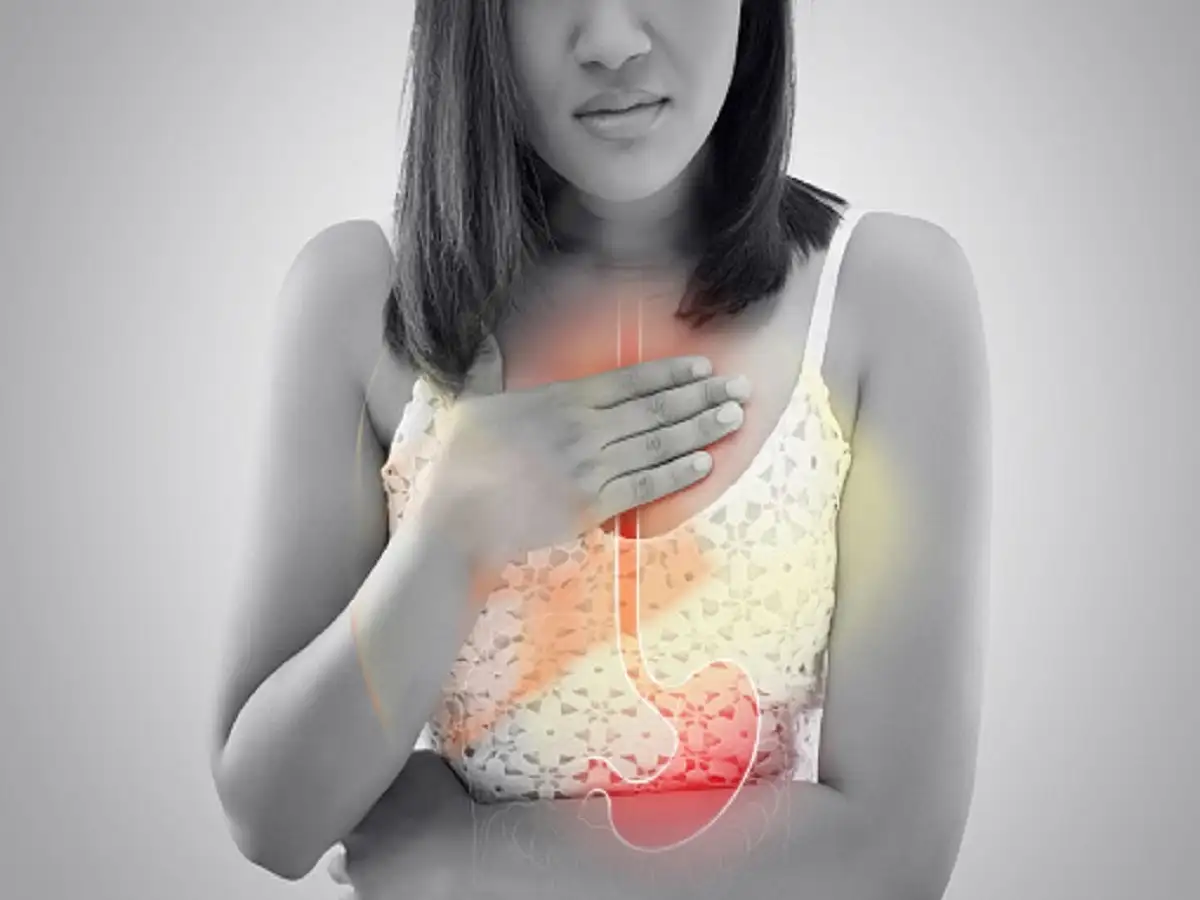
4. People With Acid Reflux or Heartburn
Coffee may increase stomach acid production in some individuals, potentially worsening symptoms of:
- Acid reflux (GERD).
- Heartburn.
- Stomach irritation.
People who frequently experience digestive discomfort may benefit from limiting coffee or switching to lower-acid alternatives.
5. Pregnant Women
Most healthcare organizations recommend limiting caffeine during pregnancy.
Excessive caffeine intake has been associated with certain pregnancy risks, so pregnant women are generally advised to discuss safe daily caffeine limits with their healthcare provider.
Coffee, tea, energy drinks, chocolate, and some soft drinks all contribute to total daily caffeine intake.
6. People With Anxiety Disorders
Caffeine is a stimulant that can increase feelings of nervousness in sensitive individuals.
For people with anxiety disorders, high caffeine intake may contribute to:
- Restlessness.
- Increased anxiety.
- Tremors.
- Difficulty relaxing.
Reducing caffeine consumption may help some people better manage these symptoms.
How Much Coffee Is Generally Considered Safe?
For most healthy adults, many health authorities consider up to 400 mg of caffeine per day—roughly equivalent to about 3 to 4 cups of brewed coffee, depending on preparation—to be within a generally safe range.
However, caffeine tolerance varies widely from person to person.
Tips for Healthier Coffee Consumption
To enjoy coffee while minimizing potential side effects:
- Avoid drinking coffee close to bedtime.
- Limit added sugar and high-fat creamers.
- Stay hydrated throughout the day.
- Monitor how your body responds to caffeine.
- Speak with your healthcare provider if you have an underlying medical condition.
The Bottom Line
Coffee can be part of a healthy lifestyle for many people when consumed in moderation. However, individuals with sleep disorders, high blood pressure, heart palpitations, acid reflux, anxiety disorders, or those who are pregnant may need to limit their caffeine intake based on medical advice. Paying attention to your body's response and following professional guidance can help you enjoy coffee safely.
Disclaimer: This article is for informational purposes only and should not be considered medical advice. Individual caffeine tolerance varies. Consult a qualified healthcare professional before making dietary changes if you have a medical condition or are pregnant.