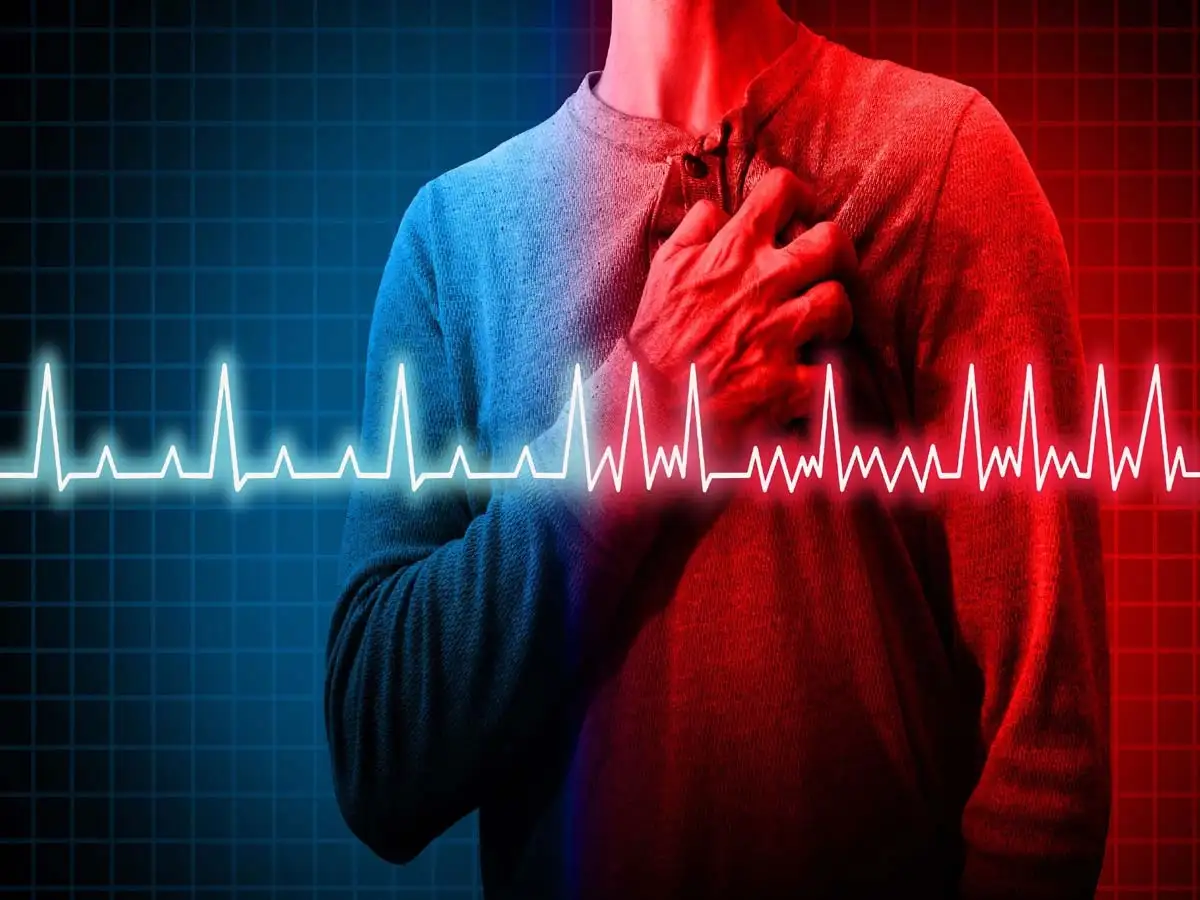
Heart disease remains one of the leading causes of death worldwide, and a heart attack can sometimes occur with little warning. However, in many cases, the body may show early warning signs hours, days, or even weeks before a heart attack. Recognizing these symptoms early and seeking immediate medical attention can improve the chances of timely treatment.
While not everyone experiences the same symptoms, being aware of common warning signs can help people respond quickly during a medical emergency.
Important: A heart attack is a medical emergency. If you or someone nearby experiences symptoms such as persistent chest pain, difficulty breathing, or pain spreading to the arm or jaw, call your local emergency medical services immediately. Do not attempt to self-diagnose or delay treatment.
1. Chest Pain or Pressure
Chest discomfort is one of the most common symptoms associated with a heart attack.
People may experience:
- A feeling of pressure or heaviness in the chest
- Tightness or squeezing sensation
- Burning or aching pain
- Discomfort that lasts for several minutes or comes and goes
Chest pain can occur during physical activity or even while resting. Persistent or severe chest discomfort should never be ignored, particularly if it is accompanied by other symptoms.
2. Shortness of Breath
Difficulty breathing can occur before or during a heart attack, sometimes even without noticeable chest pain.
Common signs include:
- Feeling breathless after minimal activity
- Difficulty taking deep breaths
- Shortness of breath accompanied by chest discomfort
This symptom may appear suddenly and should be evaluated promptly, especially if it occurs along with other warning signs.
3. Pain Spreading to Other Parts of the Body
Heart attack pain does not always remain confined to the chest. It may radiate to other areas, including:
- Left arm
- Both shoulders
- Neck
- Jaw
- Upper back
Pain that spreads from the chest to these areas, particularly when combined with pressure or tightness in the chest, may indicate a serious medical emergency.
4. Cold Sweats
Breaking out into a cold sweat without physical exertion or exposure to heat can sometimes be associated with a heart attack.
Cold sweating may occur alongside:
- Chest pain
- Nausea
- Dizziness
- Difficulty breathing
If these symptoms appear together, immediate medical attention is essential.
5. Unusual Fatigue or Weakness
Some people experience extreme tiredness before a heart attack, even after getting adequate rest.
Possible signs include:
- Unexplained exhaustion
- Feeling unusually weak
- Difficulty performing routine daily activities
Persistent fatigue, particularly when accompanied by chest discomfort or shortness of breath, should be discussed with a healthcare professional.
6. Dizziness or Lightheadedness
Feeling faint or suddenly losing balance may occur if the heart is unable to pump blood effectively.
Symptoms may include:
- Dizziness
- Lightheadedness
- Feeling as though you might faint
- Sudden weakness
Although dizziness can have many causes, it should not be ignored if it occurs alongside other possible heart attack symptoms.
Heart Attack Symptoms Can Differ Between Individuals
Not everyone experiences the same warning signs. Some people may have classic symptoms such as severe chest pain, while others—particularly women, older adults, and people with diabetes—may experience more subtle symptoms, including:
- Unusual fatigue
- Nausea or vomiting
- Indigestion-like discomfort
- Pain in the back, neck, or jaw
- Mild chest discomfort rather than severe pain
Because symptoms vary, any sudden or unexplained combination of these signs should be taken seriously.
What to Do If You Suspect a Heart Attack
If you think someone may be having a heart attack:
- Call emergency medical services immediately.
- Do not drive yourself to the hospital unless no emergency transport is available.
- Keep the person seated and as calm as possible while waiting for medical help.
- Follow the instructions provided by emergency responders.
- Take medications such as aspirin only if advised by a healthcare professional or emergency dispatcher, as they may not be appropriate for everyone.
Prompt medical treatment is critical and can significantly improve outcomes.
Reducing the Risk of Heart Disease
While not every heart attack can be prevented, maintaining a heart-healthy lifestyle may lower the risk.
Healthy habits include:
- Eating a balanced diet rich in fruits, vegetables, whole grains, and lean proteins
- Exercising regularly
- Avoiding tobacco use
- Managing blood pressure, cholesterol, and blood sugar
- Maintaining a healthy body weight
- Getting regular health check-ups, especially if you have risk factors
Final Thoughts
A heart attack often develops after the body has already started sending warning signals. Symptoms such as persistent chest pain, shortness of breath, pain spreading to the arm or jaw, cold sweats, unusual fatigue, and dizziness should never be ignored.
Early recognition and immediate medical care can be life-saving. If you or someone around you experiences these symptoms, seek emergency medical assistance without delay rather than waiting for them to improve on their own.