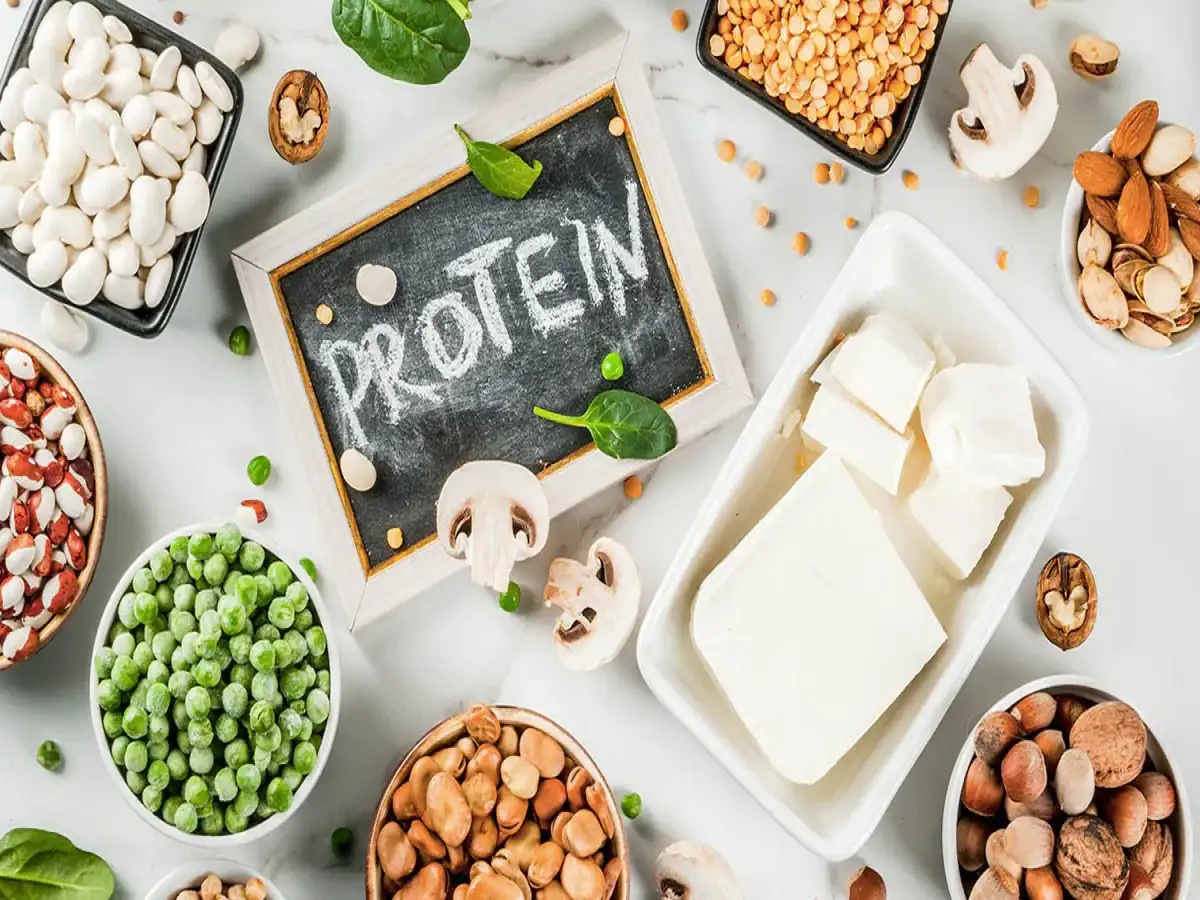
Health Tips: Protein is one of the most important nutrients for the human body, playing a vital role in muscle growth, tissue repair and overall health. With high-protein diets becoming increasingly popular, many people believe that consuming more protein automatically leads to better fitness. However, health experts say that while protein is essential, excessive intake may not always be beneficial and, in some cases, could pose health risks.
Why Is Protein Important for the Body?
Protein is made up of amino acids, which are often called the building blocks of the body.
It plays several important roles, including:
- Building and repairing muscles.
- Supporting healthy skin, hair and nails.
- Maintaining bones and body tissues.
- Producing enzymes and hormones.
- Strengthening the immune system.
- Supporting growth and overall body functions.
Adequate protein intake is essential for maintaining good health, but it should be part of a balanced diet.
Does Eating More Protein Make You Healthier?
Not necessarily.
Although protein is important, consuming more than your body needs does not automatically result in greater muscle growth or improved fitness.
Experts explain that:
- The body uses only the amount of protein it requires.
- Excess protein may be converted into energy or stored as body fat if calorie intake exceeds daily needs.
- A balanced diet containing protein, carbohydrates, healthy fats, vitamins and minerals is more beneficial than focusing on protein alone.
Muscle growth also depends on regular exercise, adequate sleep and overall nutrition—not just high protein intake.
Is a High-Protein Diet Safe?
For most healthy adults, a high-protein diet may be safe for a limited period when it is well balanced.
However, consuming excessive amounts of protein over a long time—particularly from red meat and processed meat—may increase certain health risks.
The impact can vary depending on an individual's overall health, lifestyle and existing medical conditions.
Potential Risks of Excessive Protein Intake
Eating significantly more protein than your body requires may be associated with:
- Increased intake of saturated fat from certain animal-based protein sources.
- A higher risk of heart disease when diets are rich in processed or fatty meats.
- Additional workload on the kidneys in people with existing kidney disease.
- A greater likelihood of developing kidney stones in susceptible individuals.
- Digestive discomfort if fibre intake is reduced.
These risks are more likely when protein intake is consistently excessive and not balanced with other nutritious foods.
Kidney Patients Should Be Extra Careful
Health experts advise that individuals with kidney disease should consult their doctor or a registered dietitian before increasing protein intake.
According to experts:
- Processing protein produces waste products that the kidneys help remove from the body.
- Excessive protein intake may place additional strain on kidneys that are already functioning poorly.
- Some studies suggest that diets very high in animal protein may increase the risk of kidney stones in susceptible individuals.
For people with healthy kidneys, current evidence does not clearly show that moderate increases in protein intake alone cause kidney disease, but balance remains important.
The Biggest Mistake People Make
Many people increase protein intake while reducing other important food groups.
This can lead to lower consumption of:
- Fruits
- Vegetables
- Whole grains
- Lentils and legumes
- Fibre-rich foods
As a result, the body may experience:
- Constipation
- Vitamin deficiencies
- Mineral deficiencies
- Poor digestive health
- Nutritional imbalance
A healthy diet should include a variety of nutrient-rich foods rather than focusing on a single nutrient.
Choose Protein from Different Sources
Instead of relying on one type of protein, experts recommend including a variety of protein-rich foods in your daily meals.
Healthy protein sources include:
- Lentils
- Beans
- Chickpeas
- Milk and dairy products
- Eggs
- Fish
- Nuts and seeds
- Soy products such as tofu and soybeans
Combining plant-based and animal-based protein sources can provide a wider range of nutrients while supporting overall health.
How Much Protein Do You Actually Need?
Protein requirements vary from person to person and depend on several factors, including:
- Age
- Body weight
- Physical activity level
- Muscle mass
- Overall health
- Existing medical conditions
Most healthy adults generally need about 0.8 grams of protein per kilogram of body weight per day, while athletes, older adults or people recovering from illness may require more under professional guidance.
Experts recommend determining protein intake based on individual needs rather than following social media trends or consuming excessive supplements.
Tips for Maintaining a Balanced Diet
To support good health:
- Eat the right amount of protein for your needs.
- Include fresh fruits and vegetables every day.
- Choose whole grains and fibre-rich foods.
- Drink enough water throughout the day.
- Limit processed and high-fat meats.
- Include a variety of healthy protein sources.
- Combine proper nutrition with regular exercise and adequate sleep.
The Bottom Line
Protein is an essential nutrient, but more is not always better. While adequate protein supports muscle health, immunity and tissue repair, excessive intake—especially from unhealthy sources—may contribute to nutritional imbalance and certain health risks in some individuals.
A balanced diet that includes protein along with fruits, vegetables, whole grains and healthy fats remains the best approach for long-term health. If you have kidney disease or another chronic medical condition, consult a healthcare professional before making significant changes to your protein intake.
Disclaimer: This article is for informational purposes only and should not be considered medical advice. Individual protein requirements vary. Consult a qualified doctor or registered dietitian before making major dietary changes or starting a high-protein diet.