LIFESTYLE
Health Tips: A Heart Attack Can Strike Without Chest Pain—Don't Ignore These Warning Signs
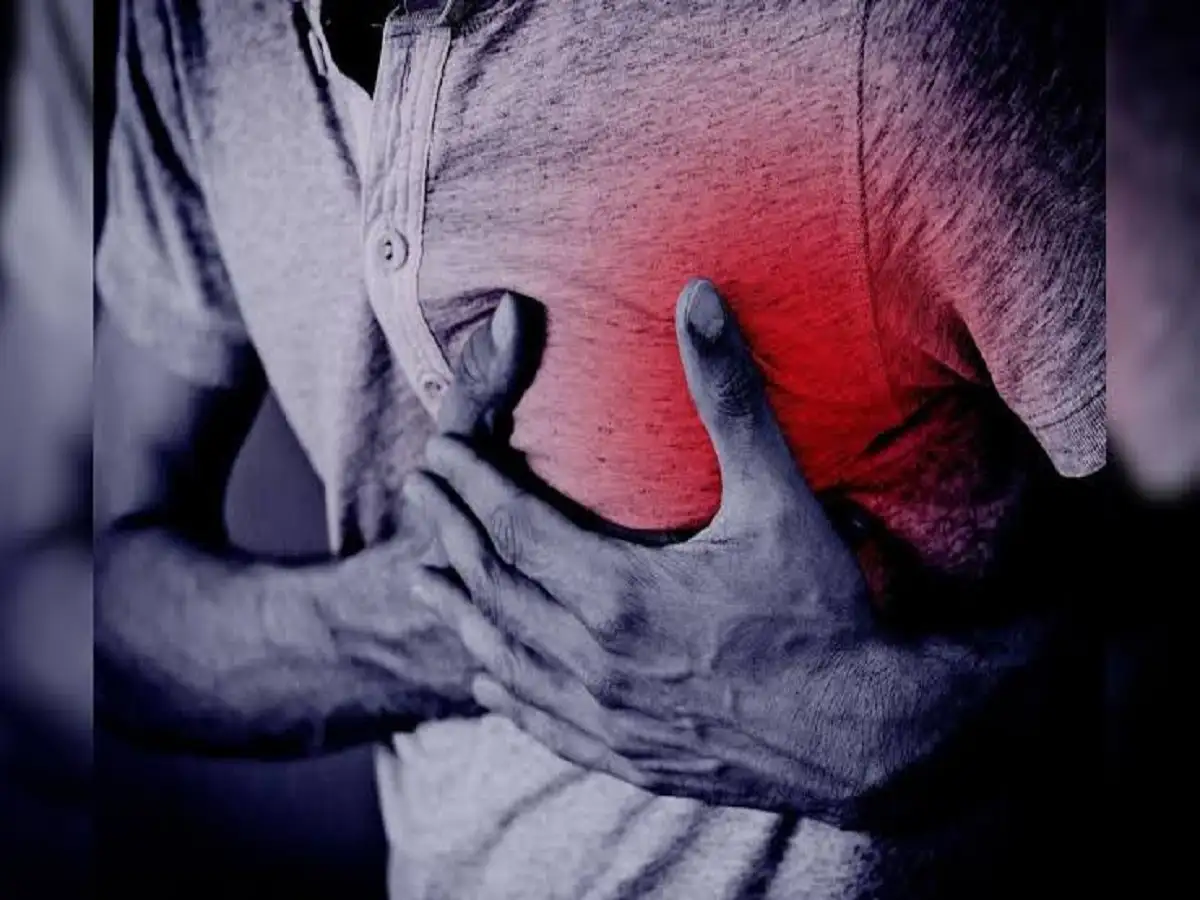
Health Tips: Chest pain is widely considered the hallmark symptom of a heart attack, but doctors warn that this is not always the case. Some people—especially women, older adults and people with diabetes—may experience a heart attack without severe chest pain. These so-called silent heart attacks can be harder to recognize, leading to delays in treatment and increasing the risk of serious complications.
Can a Heart Attack Happen Without Chest Pain?
Yes. A heart attack can occur without the classic symptom of crushing chest pain.
Medical experts explain that silent heart attacks often present with less obvious symptoms, making them more difficult to identify. Because many people mistake these warning signs for indigestion, fatigue or minor illness, they may not seek emergency medical care in time.
Early diagnosis and treatment are critical to minimizing heart damage.
Who Is at Greater Risk of a Silent Heart Attack?
Certain groups are more likely to experience a heart attack without typical chest pain, including:
- Women
- Older adults
- People with diabetes
- Individuals with pre-existing heart disease
In these individuals, symptoms may be subtle and differ from the classic signs commonly associated with a heart attack.
Warning Signs You Should Never Ignore
Even if you do not have chest pain, seek immediate medical attention if you experience one or more of the following symptoms, especially if they appear suddenly or persist for several minutes:
- Sudden shortness of breath
- Unusual or extreme fatigue
- Cold sweats
- Dizziness or feeling faint
- Nausea or vomiting
- Unexplained anxiety or restlessness
- Pain, pressure or heaviness in the jaw
- Neck pain
- Pain in the upper back
- Pain, numbness or discomfort in the left arm
Doctors caution that many people dismiss these symptoms as acidity, gas, exhaustion or stress, which can delay life-saving treatment.
Why Immediate Medical Care Is Essential
Cardiologists emphasize that every minute counts during a heart attack.
The longer the heart muscle is deprived of blood and oxygen, the greater the risk of permanent damage.
Seeking emergency medical care as soon as symptoms appear can:
- Improve the chances of survival.
- Reduce long-term damage to the heart muscle.
- Increase the effectiveness of emergency treatments.
- Lower the risk of serious complications.
Even in the absence of chest pain, persistent warning signs should always be treated as a medical emergency.
Diet Plays a Key Role in Heart Health
Experts also stress the importance of maintaining a heart-friendly diet to reduce cardiovascular risk.
They recommend limiting:
- Junk food
- Deep-fried foods
- Processed snacks
- Foods high in saturated and trans fats
High levels of LDL ("bad") cholesterol can accumulate inside the arteries, leading to plaque formation. Over time, these plaques can narrow blood vessels or rupture, causing blood clots that may trigger a heart attack.
Keeping cholesterol under control is an important part of preventing cardiovascular disease.
How to Reduce the Risk of a Heart Attack
Doctors recommend adopting healthy lifestyle habits such as:
- Eating a balanced diet rich in fruits, vegetables, whole grains and lean protein.
- Exercising regularly.
- Maintaining a healthy body weight.
- Keeping blood pressure, blood sugar and cholesterol within recommended ranges.
- Avoiding smoking and limiting alcohol consumption.
- Getting regular health check-ups, especially if you have diabetes or a family history of heart disease.
- Managing stress through healthy coping strategies and adequate sleep.
These measures can significantly reduce the risk of heart disease over time.
When Should You Call Emergency Services?
If you or someone around you experiences symptoms suggestive of a heart attack—such as sudden shortness of breath, unexplained sweating, pain spreading to the jaw or arm, or severe dizziness—do not wait for chest pain to develop.
Call your local emergency medical service immediately or go to the nearest emergency department. Prompt treatment can save heart muscle and may save a life.
Key Highlights
- A heart attack can occur even without chest pain.
- Women, older adults and people with diabetes are at higher risk of experiencing silent heart attacks.
- Symptoms may include shortness of breath, unusual fatigue, cold sweats, nausea, jaw pain, back pain or left arm discomfort.
- Delaying treatment can increase the risk of permanent heart damage.
- A heart-healthy lifestyle, including a balanced diet and regular exercise, can help lower the risk of cardiovascular disease.
Disclaimer: This article is intended for informational purposes only and should not be considered medical advice. If you experience symptoms that may indicate a heart attack, seek emergency medical care immediately. Always consult a qualified healthcare professional for diagnosis, treatment and personalized medical guidance.