LIFESTYLE
Hair Loss Warning Signs: When Excessive Hair Fall Could Be a Sign of an Underlying Health Condition
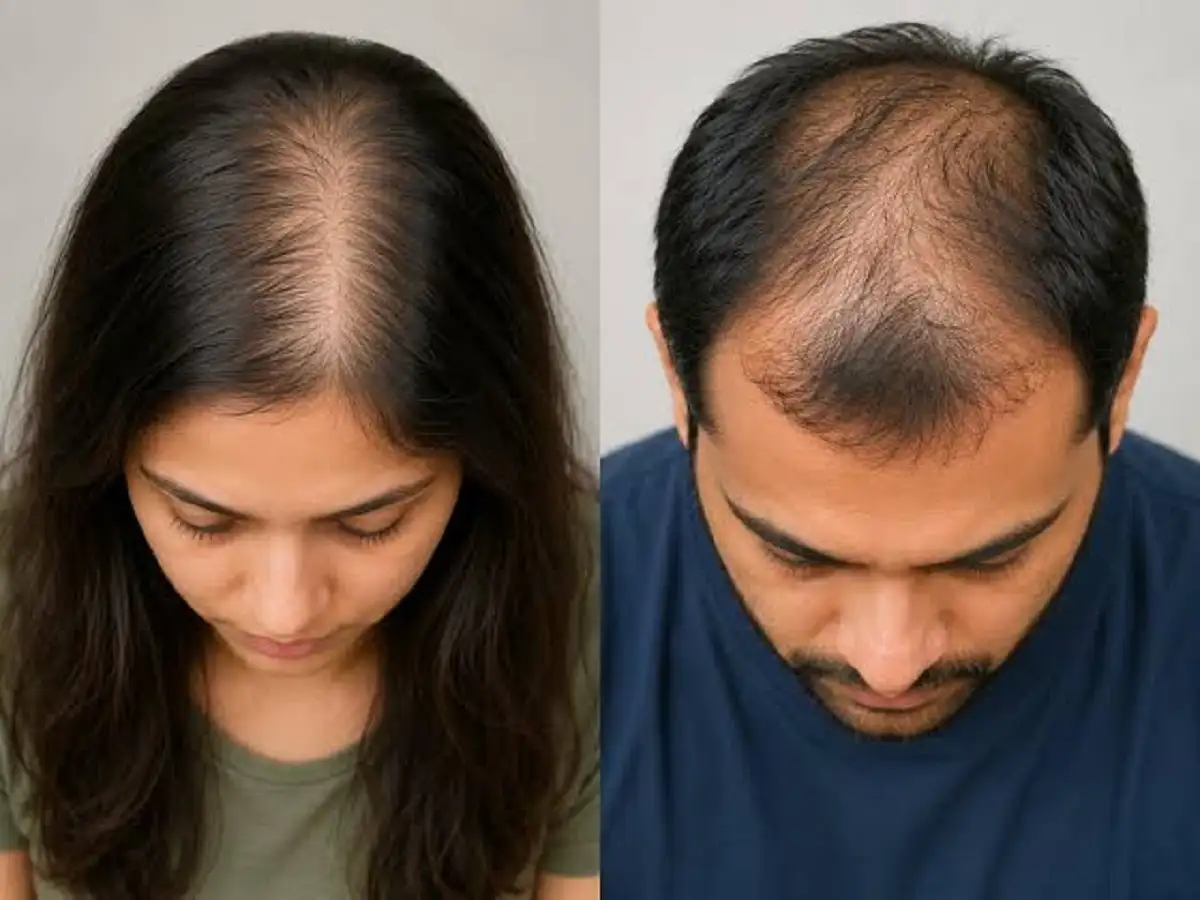
Losing 50–100 hairs a day is generally considered normal, but persistent hair loss, thinning, or bald patches may require medical evaluation
Hair Care Tips: Hair shedding is a natural part of the hair growth cycle, and most people lose around 50 to 100 hairs each day. However, if you notice continuous hair thinning, excessive hair fall, or bald patches developing on your scalp, it may indicate an underlying medical condition rather than routine hair loss.
While factors such as aging, stress, and poor nutrition can contribute to hair fall, certain health conditions may also affect hair growth. Identifying the underlying cause early can help improve treatment outcomes.
Common Causes of Hair Loss
Hair loss can occur due to several everyday factors, including:
- Natural aging and hormonal changes.
- Physical or emotional stress.
- Poor nutrition or vitamin and mineral deficiencies.
- Side effects of certain medications.
- Excessive heat styling or frequent chemical hair treatments.
- Genetic or hereditary factors.
- Tight hairstyles that place repeated tension on the hair.
If hair loss becomes persistent or severe, consulting a healthcare professional is advisable.
1. Alopecia Areata
Alopecia areata is an autoimmune condition in which the immune system mistakenly attacks healthy hair follicles, leading to sudden hair loss.
Common signs
- Round or oval bald patches on the scalp.
- Hair loss from the beard or eyebrows.
- Smooth, painless bald spots.
Can it be treated?
Many people experience spontaneous hair regrowth, while others may require treatment prescribed by a dermatologist, such as medications or other therapies depending on the severity of the condition.
2. Thyroid Disorders
The thyroid gland plays an important role in regulating metabolism and hair growth. Both hypothyroidism and hyperthyroidism can contribute to excessive hair shedding.
Warning signs
- Noticeable thinning across the scalp.
- Increased hair fall while washing or combing.
- Fatigue and unexplained weight changes.
- Dry skin or unusual sensitivity to temperature.
Treating the underlying thyroid disorder often helps reduce hair loss over time.
3. Fungal Scalp Infection
Fungal infections of the scalp, commonly known as tinea capitis, can damage hair follicles if left untreated.
Symptoms may include
- Persistent itching.
- Redness or inflammation.
- Scaly or flaky patches.
- Hair loss in affected areas.
Early diagnosis and treatment can help prevent permanent damage to the scalp and hair follicles.
4. Lupus
Lupus is an autoimmune disease that can affect the skin, joints, and hair follicles.
Possible symptoms
- Rapid hair thinning.
- Diffuse hair loss across the scalp.
- Brittle or fragile hair.
- Hair loss accompanied by skin rashes or other systemic symptoms.
Proper medical treatment for lupus may help improve hair health while managing the underlying disease.
5. Trichotillomania
Trichotillomania is a mental health condition in which a person experiences a recurring urge to pull out their own hair.
Signs to watch for
- Patchy hair loss.
- Broken hairs of varying lengths.
- Frequent hair-pulling during periods of stress or anxiety.
Treatment often includes behavioral therapy, counseling, and mental health support under professional guidance.
When Should You See a Doctor?
Consider consulting a dermatologist or healthcare provider if you experience:
- Hair loss lasting several weeks or months.
- Sudden appearance of bald patches.
- Hair shedding accompanied by itching, redness, pain, or scalp infection.
- Hair loss along with fatigue, unexplained weight changes, or other health concerns.
- Noticeable hair thinning despite maintaining a healthy diet and hair care routine.
A medical evaluation may include a physical examination and, if necessary, blood tests or other investigations to determine the underlying cause.
Tips for Maintaining Healthy Hair
Along with medical treatment when required, these healthy habits may support overall hair health:
- Eat a balanced diet rich in protein, iron, zinc, vitamin D, and B vitamins.
- Stay hydrated.
- Avoid excessive heat styling and harsh chemical treatments.
- Use mild shampoos suitable for your scalp type.
- Manage stress through regular exercise, adequate sleep, or relaxation techniques.
- Avoid tight hairstyles that pull on the hair roots.
Early Diagnosis Matters
Not all hair loss is a sign of disease, but persistent or unusual hair shedding should not be ignored. Early consultation with a qualified healthcare professional can help identify the underlying cause and improve the chances of successful treatment.
Disclaimer: This article is for general health awareness only and should not be considered medical advice. Hair loss can have many causes, and an accurate diagnosis requires evaluation by a qualified healthcare professional. If you experience persistent or severe hair loss, consult a dermatologist or your healthcare provider for appropriate diagnosis and treatment.