After HDMI, GPMI is now gaining popularity in cable technology. GPMI, developed jointly by more than 50 Chinese tech companies, has two variants. Learn about the features of both cable technologies.
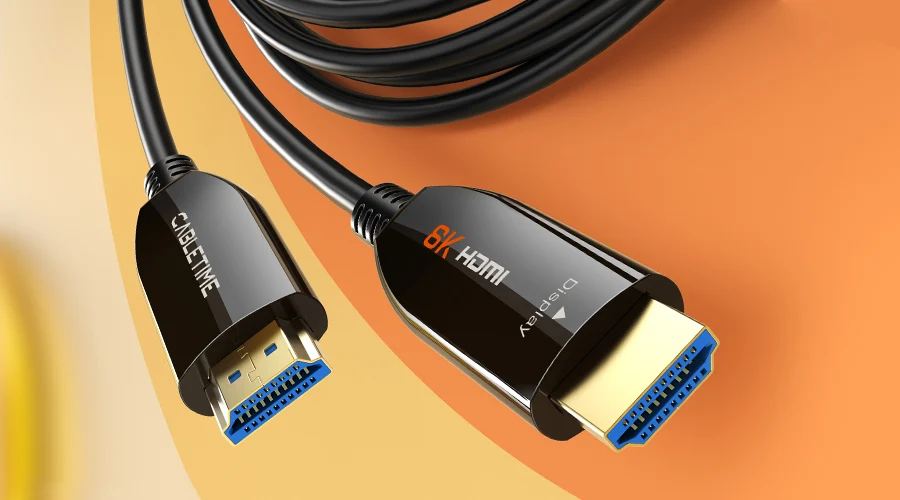
GPMI vs HDMI cable technology
HDMI cables have been used for a long time to connect TVs, monitors, laptops, or gaming consoles to other devices. It's become a well-known connection for high-quality audio and video, but now a new name is gaining traction in cable technology: GPMI, or General Purpose Media Interface.
Developed by over 50 Chinese tech companies, GPMI's purpose isn't just to transmit video and audio. It also allows for the transfer of video, audio, data, network, control signals, and power through a single cable. So, let's explore the unique differences between GPMI and HDMI cables, and which offers the best picture quality.
There are two types of options available in GPMI.
GPMI is offered in two formats: Type-C and Type-B. Type-C uses a connector similar to USB-C and offers 240W Power Delivery with 96Gbps bandwidth. Type-B, on the other hand, has a separate connector that supports up to 192Gbps bandwidth and 480W power. Both formats support 8K video.
Which cable technology is special in GPMI and HDMI?
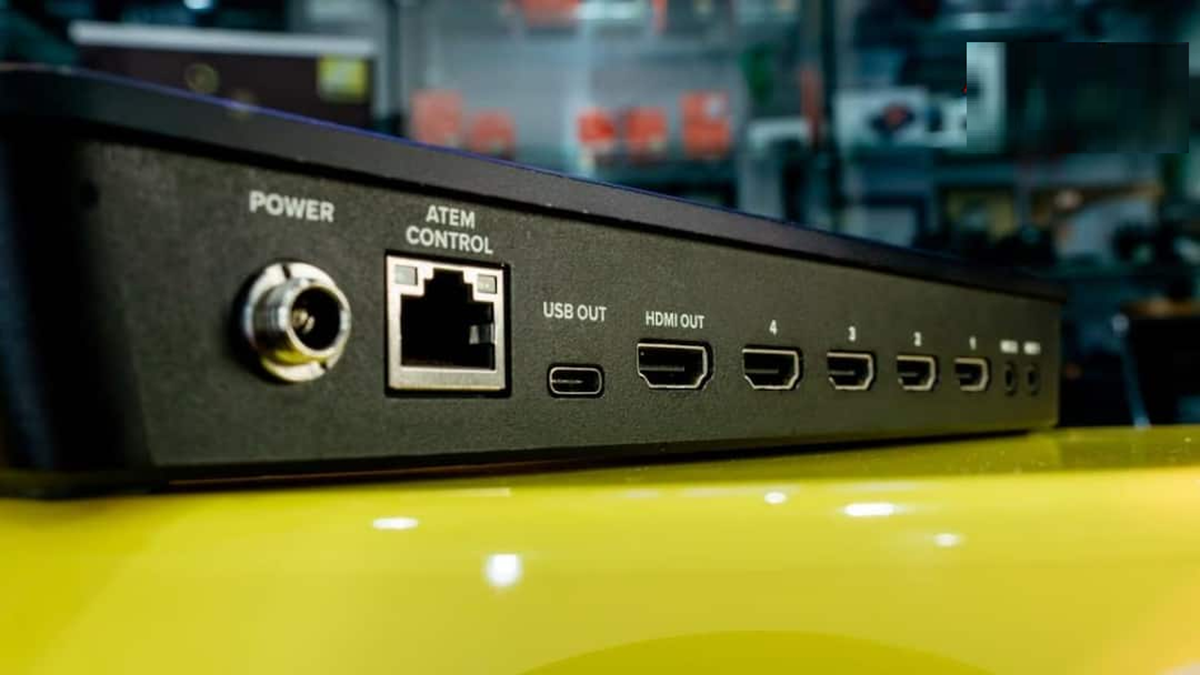
The most significant feature of GPMI is its all-in-one design. While multiple cables may be required for different tasks, GPMI is designed to handle multiple signals from a single connection. This can help reduce cable clutter and simplify large AV setups. It is especially useful for 8K displays, video walls, digital signage, conference rooms, gaming, and other high-bandwidth applications.
Which has the best picture quality, GPMI or HDMI?
GPMI focuses on higher bandwidth and 8K video support. Its Type-B offers up to 192Gbps bandwidth, while HDMI 2.2 has a maximum bandwidth of 96Gbps. While GPMI supports video up to 8K, HDMI 2.1 and DisplayPort 2.1 can output up to 10K and 16K resolutions. Higher bandwidth doesn't necessarily mean that GPMI will automatically improve picture quality in every situation.
Will GPMI be able to replace HDMI?
GPMI's specifications are strong, but its biggest challenge is adoption. HDMI is already widely used in TVs, monitors, gaming consoles, and other devices. GPMI will require new hardware and compatible devices, and it doesn't have direct backward compatibility with older HDMI or DisplayPort devices.