India is witnessing growing concern over fuel availability as geopolitical tensions in the Middle East continue affecting global energy markets. Ongoing conflict involving Iran, the United States, and Israel has raised fears over disruptions in oil and gas supply chains, leading the Indian government to introduce stricter measures aimed at managing domestic cooking gas availability.
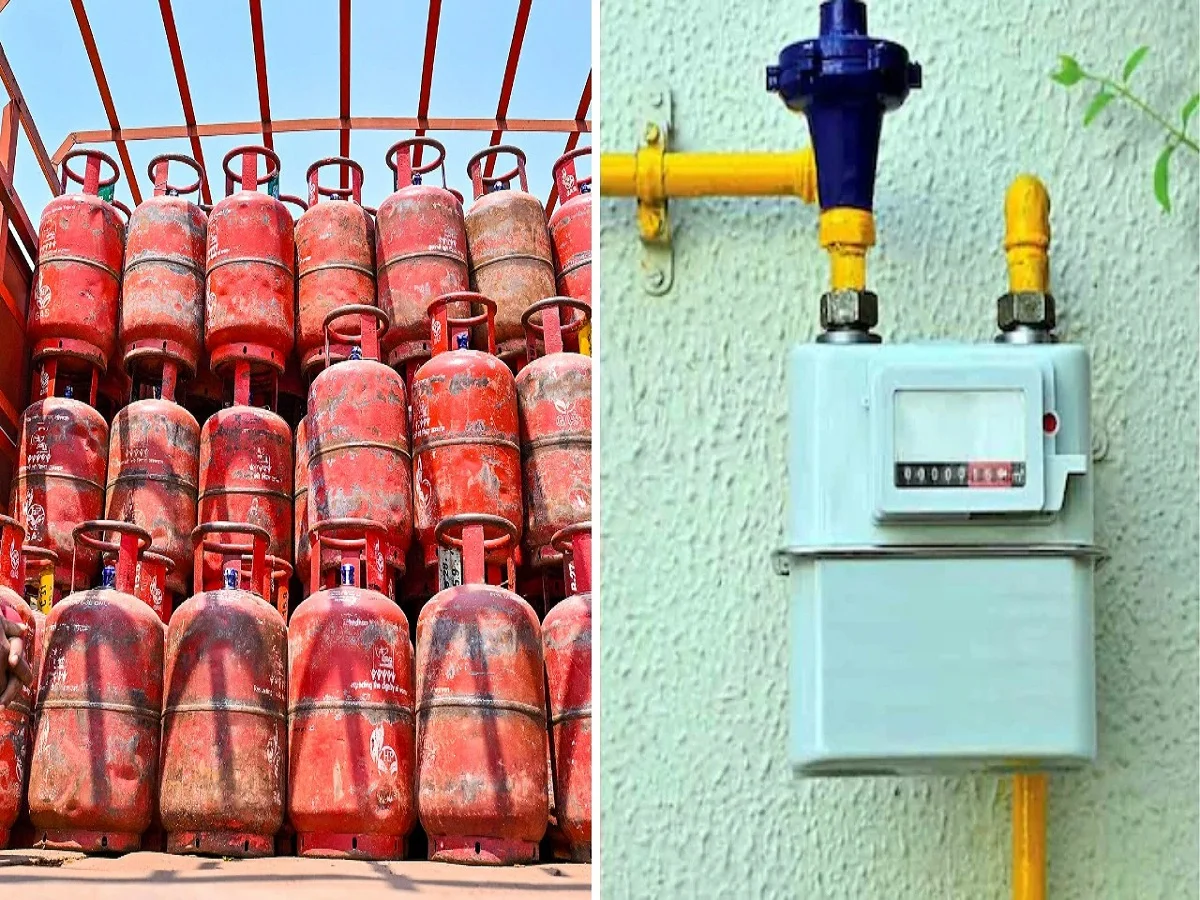
In a major policy move, the government has restricted the purchase of LPG cylinders for households that already have active Piped Natural Gas (PNG) connections. The decision comes as authorities attempt to manage pressure on LPG supplies and prioritize fuel availability for consumers who do not yet have access to pipeline-based gas systems.
LPG Purchase Restrictions Introduced for PNG Consumers
Under the latest order issued by the government, households with operational PNG connections will no longer be allowed to buy or refill domestic LPG cylinders in many cases. The policy has been introduced with immediate effect as part of broader efforts to optimize fuel distribution during a period of supply uncertainty.
Officials believe the measure will help reduce pressure on LPG demand and redirect available cylinder supplies toward households in areas where PNG infrastructure is not yet available.
The move also aligns with the government’s long-term strategy of encouraging urban consumers to shift from LPG cylinders to PNG-based cooking systems.
Middle East Tensions Impacting LPG Supply Chain
India remains heavily dependent on imported LPG, particularly from Middle Eastern nations. According to industry estimates, the country consumed approximately 33.15 million metric tonnes of LPG in 2025, with nearly 60% of domestic demand fulfilled through imports. Around 90% of those imports came from the Middle East region.
Because a significant portion of India’s LPG shipments passes through the Strait of Hormuz, any disruption in the region can directly affect cooking gas availability and transportation costs. Concerns over geopolitical instability have already triggered discussions around supply management and fuel prioritization.
At the same time, government officials have publicly stated that India currently has adequate crude reserves and there is no nationwide LPG shortage at present.
Industrial LPG Supplies Also Being Controlled
To stabilize household fuel distribution, authorities have reportedly reduced LPG allocations to some industrial sectors. The priority is being shifted toward essential domestic usage to prevent supply disruptions in residential areas.
Energy experts say such temporary restrictions are often used during periods of global uncertainty to ensure critical sectors continue receiving uninterrupted fuel access.
The government is also increasing monitoring mechanisms to prevent hoarding, black marketing, and misuse of domestic LPG cylinders during this period.
PNG Push Becomes a Key Part of Energy Strategy
The latest restriction is also part of India’s broader effort to expand PNG adoption in urban regions. The government has been encouraging households to transition toward piped natural gas systems because PNG is considered more stable, safer, and easier to manage during large-scale supply disruptions.
Several city gas distribution companies have already accelerated pipeline expansion projects across major cities and residential areas.
Why the Government Is Promoting PNG
- Continuous gas supply without cylinder refills
- Reduced dependence on imported LPG
- Lower logistical burden for fuel delivery
- Improved urban energy management
- Better long-term supply stability
Reports indicate that thousands of households have already surrendered LPG connections after shifting to PNG systems.
“One Household, One Cooking Fuel” Policy Gains Momentum
Recent notifications and policy discussions suggest the government is moving toward a stricter “one household, one cooking fuel” model in areas where PNG services are fully available. Under this approach, households may eventually be required to rely solely on PNG if pipeline infrastructure exists in their locality.
However, exemptions may apply in situations where PNG installation is technically not feasible or where gas providers issue special approvals.
Officials say the policy is intended to ensure fair fuel distribution and reduce duplication in household energy systems.
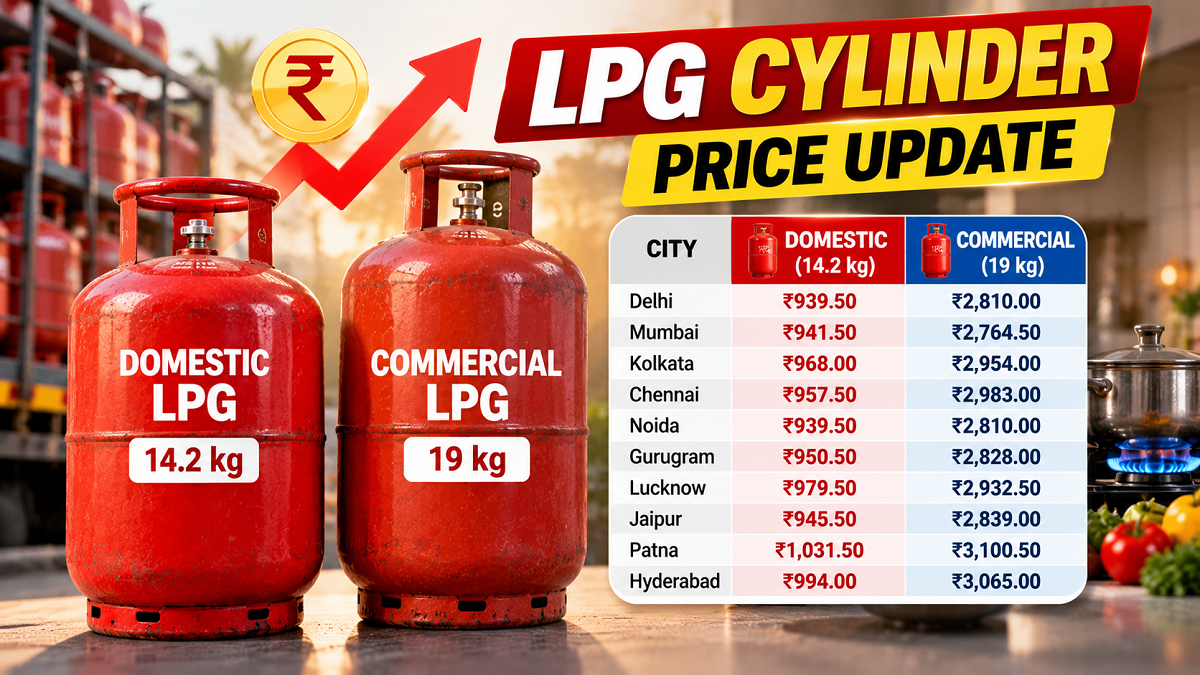
Consumers Concerned About Possible LPG Price Increase
Meanwhile, rising global energy uncertainty has also increased concerns among consumers regarding possible fuel price hikes in the coming weeks. Petrol and diesel prices have already witnessed fluctuations in recent months, and many households fear LPG cylinder prices could also rise if international supply conditions worsen.
Energy analysts believe that India’s heavy reliance on imported cooking gas makes domestic prices sensitive to global geopolitical developments, shipping disruptions, and crude oil fluctuations.
Government Urges Citizens Not to Panic
Despite growing speculation around shortages, officials continue emphasizing that the government is actively monitoring the situation and taking steps to maintain fuel availability across the country. Authorities have also appealed to citizens to avoid panic buying and rely only on official information regarding LPG distribution and pricing.
Experts suggest that while temporary restrictions may inconvenience some consumers, the government’s primary focus remains ensuring uninterrupted cooking fuel access for households most dependent on LPG cylinders.
As India navigates rising global energy uncertainty, policies promoting PNG adoption and fuel conservation are likely to become increasingly important in the country’s long-term energy strategy.