NEWS
Gas Pipeline: No more Hormuz tensions, gas will now flow directly from the sea, with a pipeline from Oman to Gujarat.
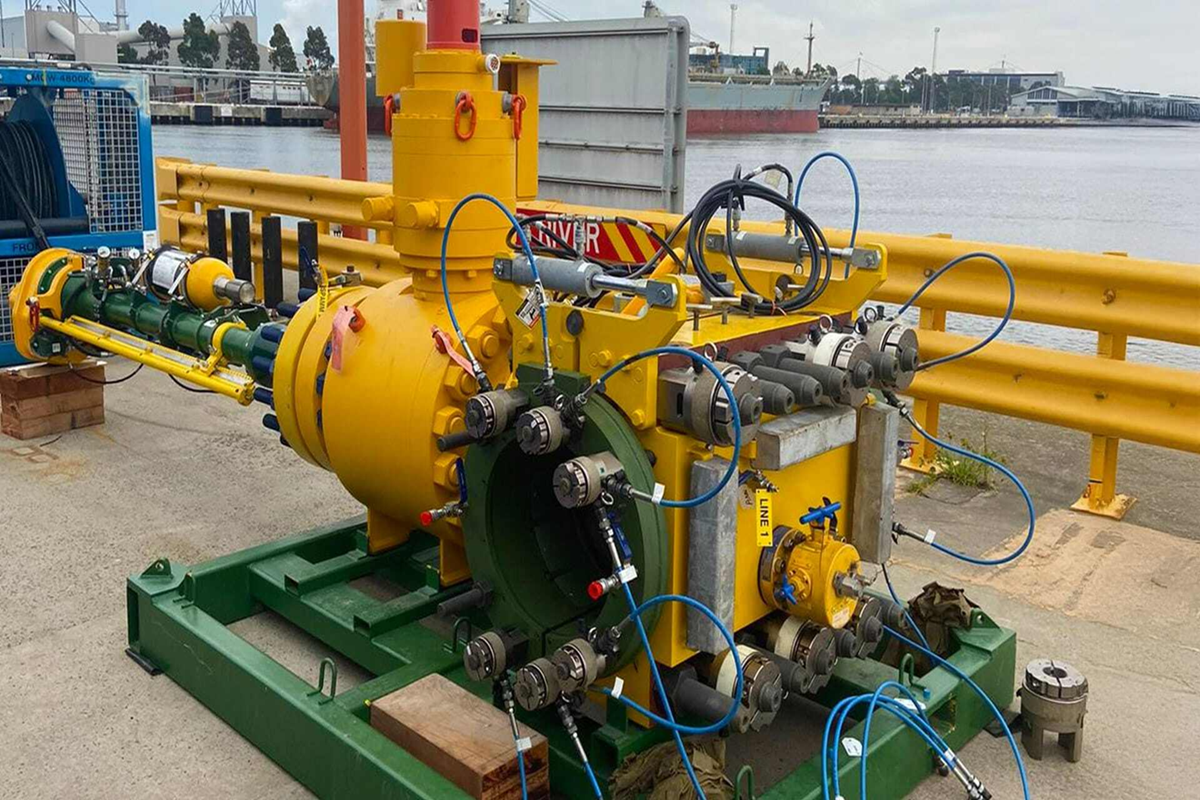
Subsea Gas Pipeline Project: The ongoing tensions between Iran, the US, and Israel have affected energy supplies through the Strait of Hormuz. A backup plan is being developed to address this issue.
40,000 crore subsea project from Oman to Gujarat
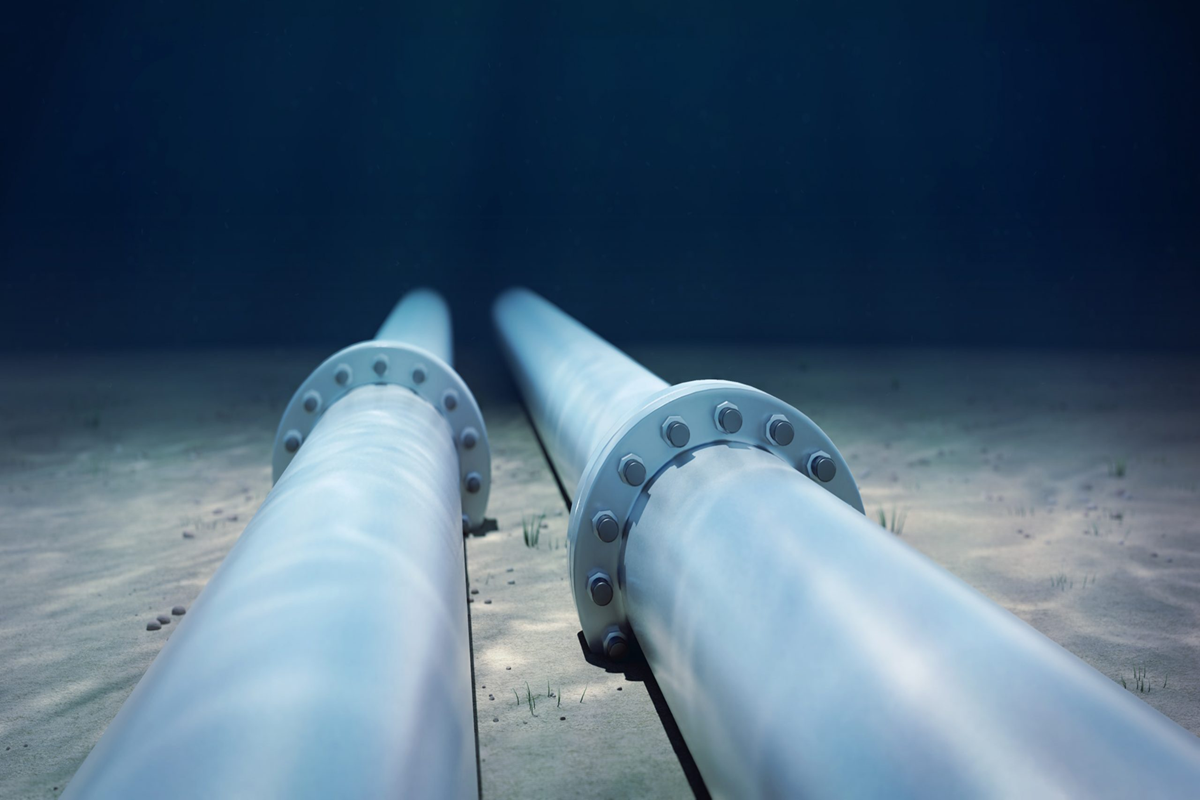
Hormuz Strait Blockade: A 2,000-kilometer-long deep-sea pipeline (South Asia Gas Enterprise - SAGE) is proposed between Gujarat, India, and Oman, which could prove to be a game-changer for India's energy security. This ambitious project, estimated to cost approximately $5 billion (approximately ₹41,000 crore), will lay a gas pipeline under the Arabian Sea from Ras Al Jafand in Oman to Mundra Port in Gujarat.
The deepest gas pipeline in the world
The gas pipeline will pass at a depth of 3,400 meters (3.4 kilometers) below sea level, making it one of the most challenging deep-sea pipelines in the world. The pipeline will deliver 31 million metric standard cubic meters (MMSCMD) of natural gas to India daily.
Currently, India imports gas via LNG ships, which are extremely expensive. Supplying gas through pipelines would result in significant import cost savings of approximately $2-3 per mmBtu.
How important is this project for India?
India relies heavily on imports to meet its energy needs. A significant portion of these imports originates from Gulf countries and reach India through the Strait of Hormuz, a narrow sea route connecting the Persian Gulf to the Arabian Sea. Any disruption to this route could have an immediate impact on the global energy market, affecting shipping costs, fuel prices, and supply chains.
Recent tensions in West Asia have once again highlighted how risky relying solely on a single sea route can be. Rapidly fluctuating LNG prices and concerns about shipping safety have renewed interest in alternatives that offer greater supply stability.
Unlike LNG imports—which require gas to be liquefied, transported by tanker, and then regasified upon arrival—pipelines allow natural gas to travel directly from its source to its destination. Experts say this could reduce the risk of disruptions affecting maritime trade routes.
India's goal of clean energy
India wants to increase the contribution of natural gas in its energy share from 6% to 15% by 2030 and the pipeline project will prove helpful for India in achieving this target.