Traditional Beliefs Suggest the Right Direction for Ancestors’ Photos Can Help Maintain Harmony and Respect
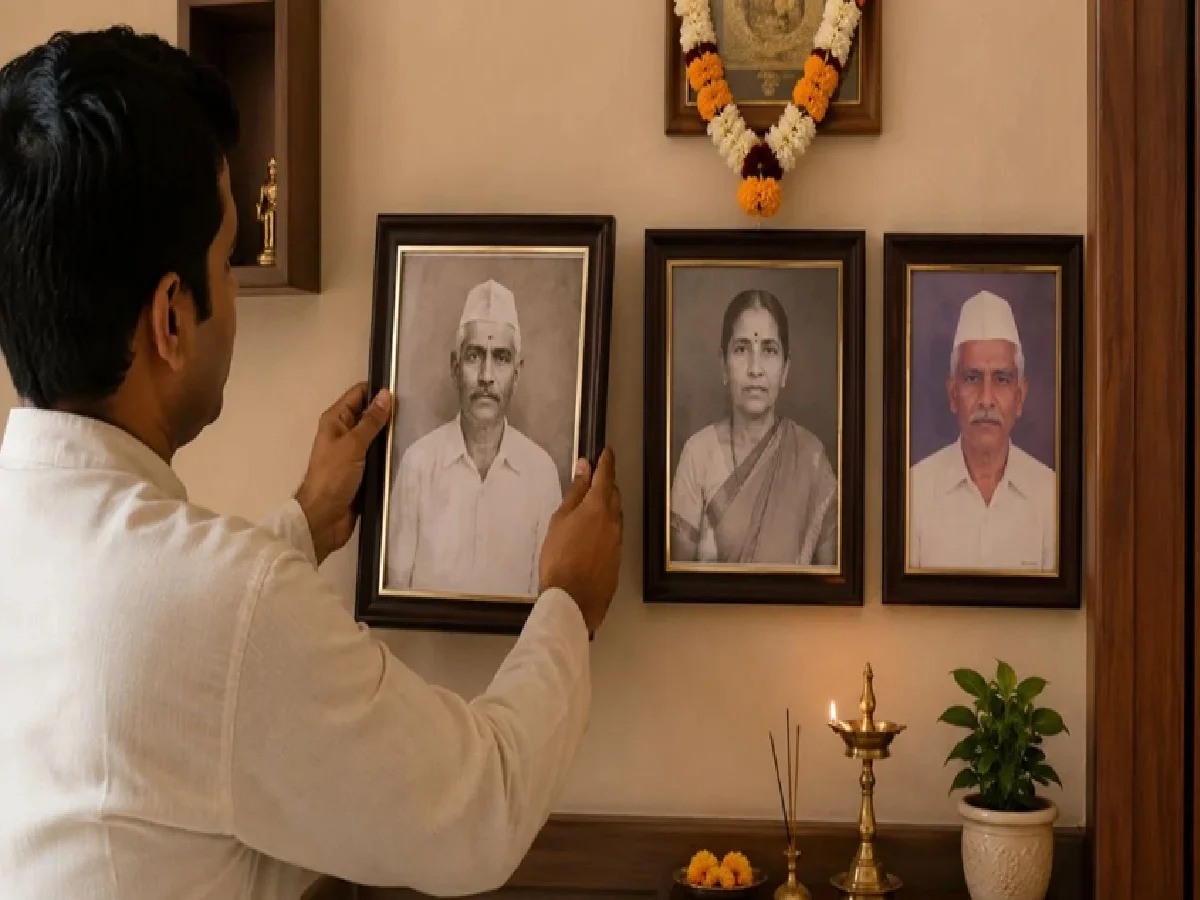
Photographs displayed inside a home often hold deep emotional value. They preserve memories, celebrate family bonds, and keep loved ones close even after they are gone. In many Indian households, pictures of departed family members are placed in a special area as a mark of remembrance and respect.
According to traditional Hindu beliefs and Vastu principles, the placement of ancestors' photographs is considered important. Ancient scriptures such as the Garuda Purana discuss various aspects of life, death, and honoring ancestors, while Vastu Shastra offers guidelines on maintaining balance and positive energy within a home.
Although these practices are rooted in faith and tradition rather than scientific evidence, many families continue to follow them as a way of preserving cultural values and showing respect to previous generations.
Which Direction Is Considered Best for Ancestors’ Photos?
According to traditional Vastu beliefs, the south direction is generally regarded as the most appropriate location for displaying photographs of departed family members.
Many practitioners suggest placing these photographs on:
- The southern wall of the house
- The western wall of the house
It is believed that these directions are associated with ancestors and remembrance. Traditional beliefs also recommend positioning the photographs so that the faces appear oriented toward the north or east direction.
Families who follow these customs often designate a quiet and respectful space specifically for honoring their ancestors.
Why Ancestors’ Photos Are Usually Kept Separate From Deity Images
A common question in many households is whether photographs of departed relatives should be placed alongside images of gods and goddesses.
According to several religious traditions, ancestors are deeply respected but are not worshipped in the same manner as deities. For this reason, many Vastu experts and spiritual practitioners recommend keeping ancestral photographs separate from the main prayer area.
The purpose is not to diminish respect for ancestors but to maintain a distinction between devotional worship and family remembrance.
A dedicated place for ancestral photographs is often considered more appropriate than displaying them within the primary worship space.
Avoid Placing Photos in the Kitchen
The kitchen is traditionally viewed as a source of nourishment, vitality, and positive energy within the home.
Vastu principles generally advise against placing photographs of deceased family members in the kitchen area. Since the space is associated with food preparation and daily activity, it may not provide the quiet and respectful atmosphere traditionally recommended for ancestral remembrance.
Staircases and Busy Areas Are Also Discouraged
Another commonly followed guideline involves avoiding locations near staircases, hallways, or heavily used passageways.
According to traditional beliefs, ancestral photographs should be placed in areas where family members can remember and honor their loved ones peacefully.
Busy zones with constant movement are generally considered less suitable because they may not reflect the level of respect associated with such memories.
Should Ancestors’ Photos Be Displayed Next to Living Family Members?
Many Vastu practitioners recommend keeping photographs of deceased relatives separate from photographs of living family members.
According to traditional beliefs, displaying both together may disturb the symbolic balance between generations.
For this reason, families often create separate sections for:
- Family portraits of living members
- Memorial photographs of departed relatives
This arrangement is believed to preserve harmony while continuing to honor family heritage.
The Symbolic Importance of Ancestors in Indian Traditions
In many Indian cultural and spiritual traditions, ancestors represent the roots of the family lineage and the continuity of values across generations.
Photographs serve as reminders of:
- Family history
- Cultural traditions
- Shared memories
- Respect for previous generations
The emphasis placed on their location within the home is generally intended to encourage reverence, gratitude, and emotional connection rather than fear or superstition.
Vastu and Astrology: A Traditional Perspective
Vastu Shastra and traditional astrology place significant importance on directions, energy flow, and spatial arrangement.
Supporters of these practices believe that thoughtfully organizing living spaces can contribute to emotional well-being and a peaceful environment.
Whether one follows these guidelines strictly or views them as cultural traditions, the underlying message remains the same: ancestors should be remembered with dignity, respect, and gratitude.
Key Takeaway
According to traditional interpretations of Vastu Shastra and the Garuda Purana, photographs of departed ancestors are ideally placed on the south or west walls of a home, while avoiding kitchens, staircases, and primary prayer areas. These customs are intended to honor family heritage and maintain a respectful space for remembrance. For many households, such practices continue to serve as a meaningful way of preserving family values and staying connected to previous generations.