LIFESTYLE
Garden Care Tips: If you are going out in the scorching heat, take care of your plants like this, and they will remain lush and green.

Watering Plants In Summer: Maintaining soil moisture is a crucial task during the summer. If you're thinking of planting new plants, choose those that can tolerate heat.
How to keep plants green in extreme heat?
How to Care for Plants in Extreme Heat: If you're leaving home during the intense heat, your biggest concern is what will happen to the plants left behind. The combination of intense sunlight, dry air, and hot soil can cause lush plants to wither in just a few days. But a little common sense and advanced preparation can keep your garden safe, ensuring your return with fresh plants.
What should you do?
According to many websites providing information about home tips, the first thing you need to do is carefully understand your garden. Go outside in the afternoon and observe which areas receive the most sunlight. Open ground, unshaded areas, and south-facing flower beds heat up the fastest. Temperatures under trees or in shady corners are slightly lower. By identifying these areas, you can determine which plants need more protection.
Maintaining soil moisture in summer
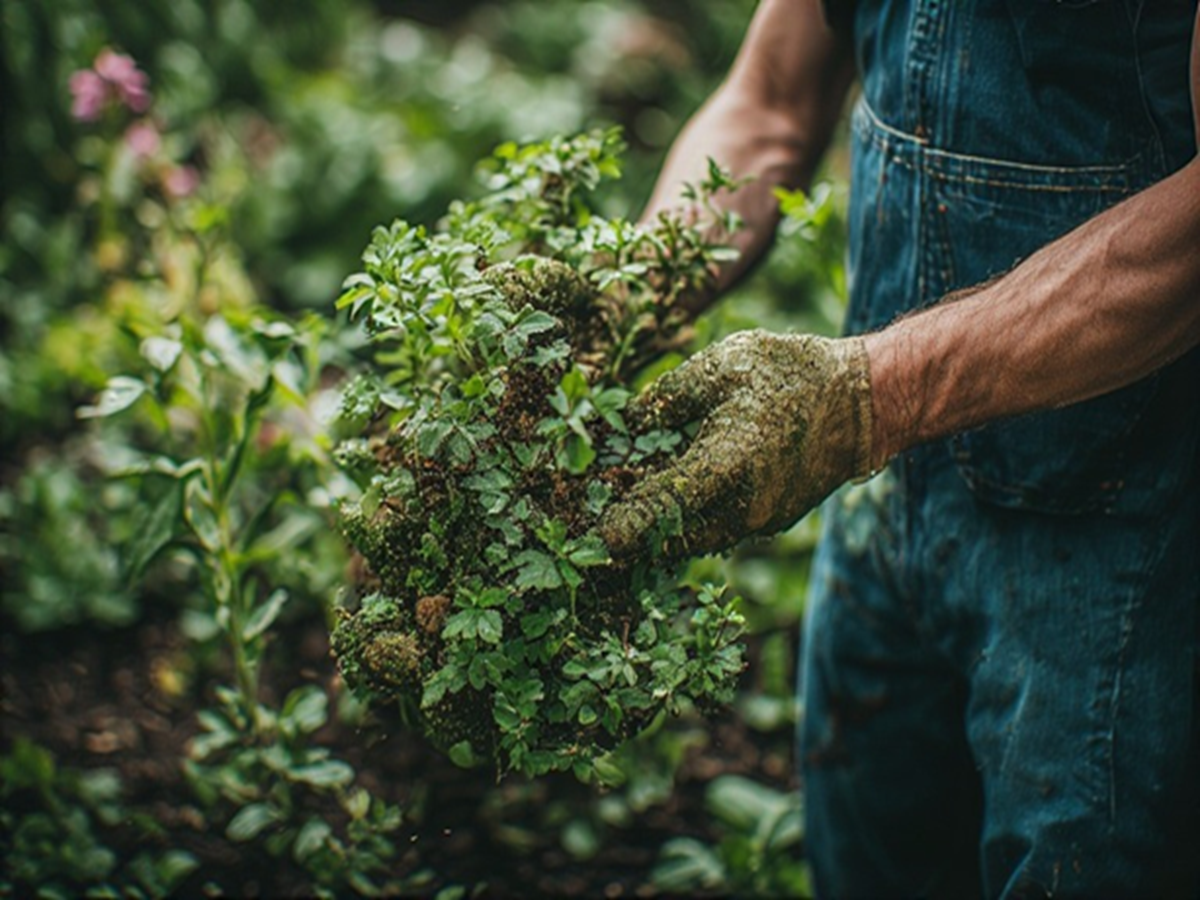
Maintaining soil moisture is crucial during summer. To do this, spread a thick layer of dry leaves, straw, or compost around the plants. This layer protects the soil from direct sunlight, prevents water from drying out quickly, and keeps the roots cool. This allows the plants to survive for longer periods without excessive watering.
Right time to water
The right time to water also matters. If you're going out, water your plants thoroughly in the morning or evening before you leave, so the soil is deeply moist. A single, thorough watering is more beneficial than sporadic watering, as it strengthens the roots deep down and helps plants endure drought for longer.
provision of temporary shade
Temporary shade can also be arranged to protect from the intense sun. You can cover delicate plants using materials like cloth, netting, or umbrellas. If you have vines or large plants in your garden, place smaller plants beneath them to provide natural shade. This will reduce the direct impact of the sun and prevent the plants from drying out quickly. If you're thinking of planting new plants, choose those that can tolerate the heat. Native plants, succulents, and plants that require less water are best suited for this season . Such plants are not only durable but also maintain their health with minimal care.