NEWS
From cooking oil to saffron and pistachi-osthe war in Iran has made things more expensive in India, increasing the hardships!
Iran-Israel War: The escalating conflict in the Middle East has led to a rise in prices of many commodities in India. This includes not just gold and silver, but also many other items.

The Iran-Israel war has made many things more expensive in India.
Iran-Israel War: The Israeli and American attacks on Iran and Tehran's retaliatory actions have not only heated up the atmosphere in the Middle East. It has affected the entire world. India is no exception. In this era of globalization, all countries are interconnected. Therefore, any good or bad action in one country has an impact on another. Similarly, the war with Iran has made many things more expensive in India, which will have a significant impact on your pockets.
Gold and silver prices increased.
In this war-like atmosphere, gold and silver prices have surged. On March 1, 2026, gold reached a record high of ₹1.73 lakh per 10 grams in the domestic market. Silver prices also reached close to ₹2.90 lakh per kg. However, prices have softened slightly over the past four sessions.
Impact on the ceramic industry
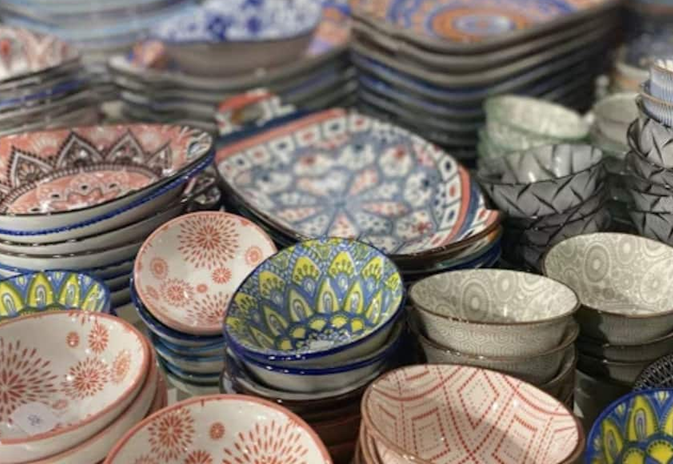
The war has also affected the country's ceramic industry. The situation is so dire that the ceramic industry in Morbi, Gujarat, is on the verge of shutting down within the next few days due to the disruption of gas supplies due to the war-like situation in the Gulf countries. The ceramic industry requires a significant amount of propane or natural gas for everything from lighting furnaces to drying clay.
Meanwhile, the war has intensified following the death of Iran's Supreme Leader Ayatollah Ali Khamenei last Saturday and continued US attacks. Amid this turmoil, Iran has closed the Strait of Hormuz, disrupting gas supplies.
Cooking oil is expensive
The war with Iran has also increased the price of cooking oil. While India does not import edible oil from Iran, it does import 60 percent of its cooking oil needs from other countries, such as palm oil from Indonesia and Malaysia, soybean oil from Argentina and Brazil, and sunflower oil from Russia and Ukraine. The question arises: why is the conflict in Iran making oil more expensive?
In fact, due to the Iran-Israel tensions, crude prices have become more expensive, leading to the use of palm and soy oil to produce biofuels. This has led to a shortage of cooking oil supplies and higher prices. Furthermore, war-like situations can slow international trade due to increased instability in shipping and commodity markets, leading to stockpiling shortages.
Sudhakar Desai, chairman of the Indian Vegetable Oil Producers Association, says, "Any escalation or increase in tensions between the US and Iran has a direct impact on the Indian crude oil and cooking oil markets. Rising crude oil prices make petrol, diesel, and other fossil fuels more expensive, increasing logistics costs. Furthermore, it can also increase insurance risks for ships."
It should be noted that many marine insurance companies have stopped providing war risk coverage for this region since March 5. Consequently, transiting through this region is not only expensive but also risky.
Dry fruits become expensive
In this war-like atmosphere, the supply of dried fruits like pistachios, saffron, figs, and apricots from Iran and Afghanistan is on the verge of collapse. Consequently, their prices have also started to rise.
Increase in the price of pulses and onions
India imports pigeon pea, black gram, and lentils from countries like Myanmar, Canada, and Australia. However, the Strait of Hormuz has forced ships and containers stranded in West Asia to take longer routes. Shipping companies have imposed a "war risk surcharge," increasing the cost of bringing pulses to India. India is also a major importer of onions. Demand for onions has suddenly increased due to the rush to stockpile supplies in case of war. Fears of disruption to the supply chain have also driven onion prices higher.