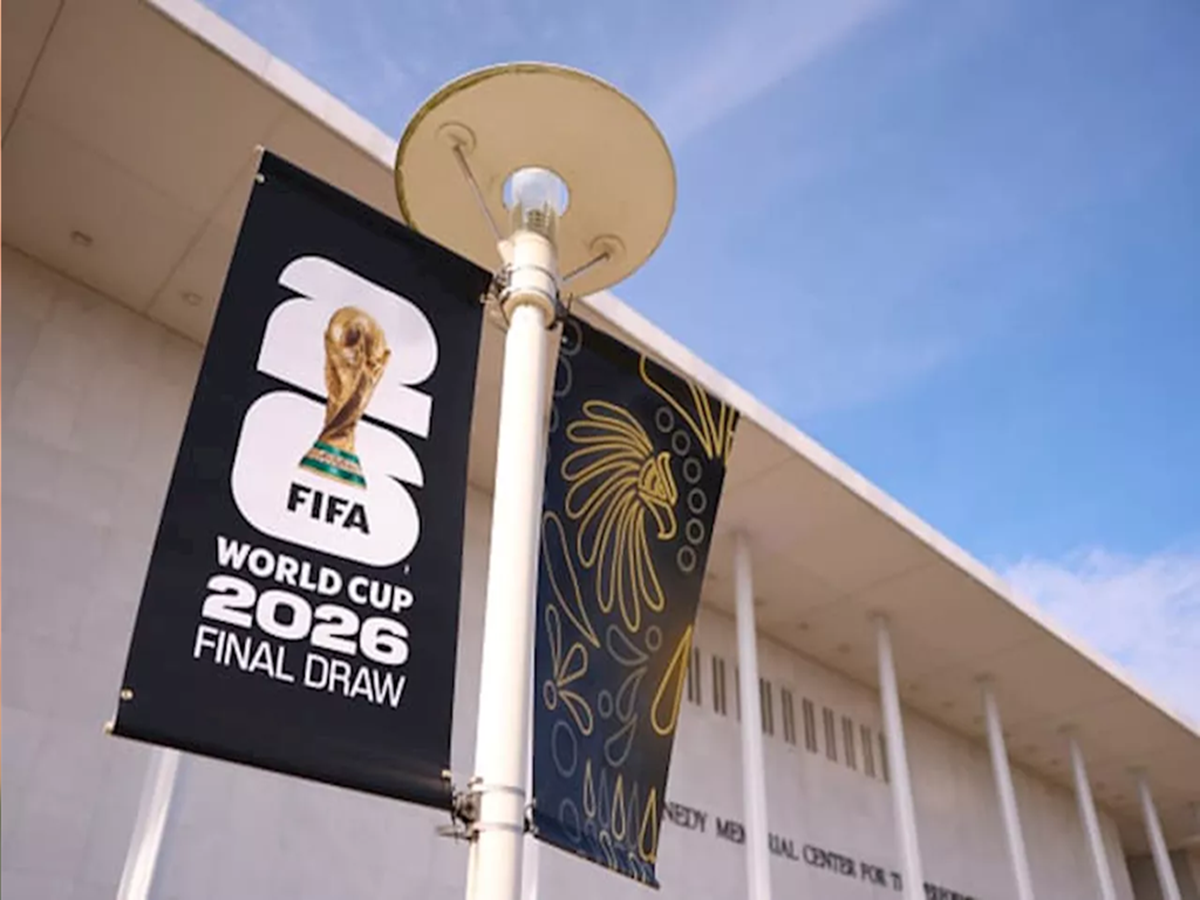
Just days before the start of the FIFA World Cup 2026, a controversy involving a Somali referee has drawn international attention and sparked debate over immigration policies and sporting participation.
According to reports, Somali referee Omar Abdulkadir Artan, who had been selected by FIFA for duties related to the World Cup, was allegedly denied entry into the United States and sent back upon arrival. The incident has prompted concerns from Somali authorities and raised questions about how immigration decisions could impact individuals involved in major international sporting events.
Referee Selected for Historic Role
Omar Abdulkadir Artan was reportedly among the officials chosen by FIFA for the 2026 World Cup, which is set to be jointly hosted by the United States, Canada, and Mexico.
Had he participated in the tournament, Artan would have achieved a historic milestone as one of the first referees from Somalia to officiate at football’s biggest event. His selection was viewed as a significant achievement for Somali football and for sports development in the East African nation.
The referee has earned recognition in African football circles and was expected to be part of FIFA’s officiating team for the tournament.
Somalia Expresses Concern
Reports indicate that Somali authorities have expressed disappointment over the incident. Officials reportedly attempted to engage with both FIFA and U.S. authorities regarding the matter but were unable to secure a resolution.
The issue has attracted attention because of the global nature of the FIFA World Cup and the expectation that accredited officials, players, and support staff should be able to travel to host nations to fulfill their tournament responsibilities.
Somalia has reportedly sought clarification regarding the circumstances that led to the decision.
Entry Allegedly Denied Upon Arrival
According to media reports, Artan arrived in Miami on Sunday ahead of the World Cup preparations. However, U.S. authorities allegedly did not permit him to enter the country and returned him to his point of departure.
The reported decision was linked to immigration regulations and entry requirements. While specific details regarding the case have not been made public, reports suggest that the refusal was connected to existing immigration rules rather than sporting considerations.
The incident has fueled discussions about the challenges that international sports officials can sometimes face when traveling across borders for major events.
FIFA’s Position on the Matter
FIFA has reportedly maintained that immigration and visa-related decisions fall under the jurisdiction of host countries and their respective governments.
According to reports, the global football governing body stated that it does not have authority over national immigration procedures and therefore cannot override decisions made by border or immigration officials.
This position reflects the standard practice followed by international sporting organizations, which generally rely on host nations to determine entry eligibility under domestic laws.
Spotlight on World Cup Preparations
The controversy comes at a time when excitement is building for the FIFA World Cup 2026, which will be the largest edition in the tournament’s history.
The competition will feature 48 national teams, 104 matches, and games spread across 16 cities in three host countries. With millions of fans expected to follow the event worldwide, preparations are entering their final stages.
While football remains the primary focus, incidents involving players, officials, or tournament personnel often attract significant public attention and can become part of broader discussions surrounding international sporting events.
Questions Remain Unanswered
As of now, several aspects of the case remain unclear, including the exact immigration grounds cited for the reported denial of entry and whether any further discussions are underway between the relevant authorities.
The incident has nevertheless highlighted the complex intersection of international sports, government policies, and cross-border travel regulations.
With the World Cup set to begin shortly, attention will now turn to whether additional clarification emerges from FIFA, U.S. officials, or Somali authorities regarding the circumstances surrounding the referee’s reported exclusion from the tournament.
For football fans, the focus remains on the upcoming matches, but this unexpected controversy has already become one of the first major talking points ahead of the 2026 FIFA World Cup.