LIFESTYLE
Eye Discharge: Excessive mucus is visible in the eyes early in the morning; know when it is a sign of danger?
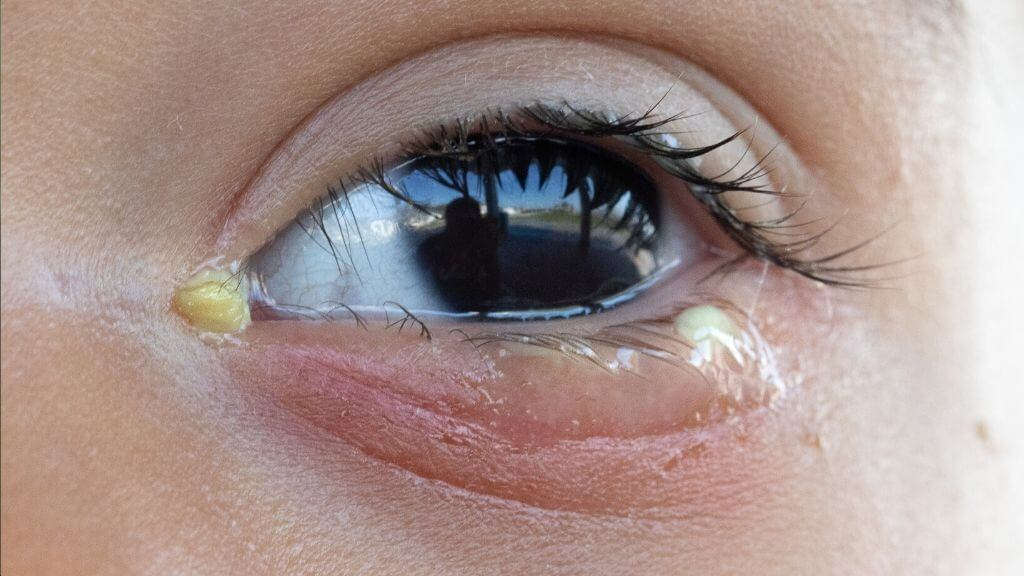
Watery Eyes, Eye Health: During the night's sleep, mucus, oil, skin cells, and small particles accumulate in the corners of the eyes, due to which mud may appear in the eyes in the morning.
Causes and home remedies for bloody eyes in the morning
Morning Eye Discharge Causes and Treatment: It's common to notice a small amount of mucus or sticky fluid in the corners of your eyes upon waking. During the night, mucus, oil, skin cells, and small particles accumulate in the corners of your eyes, causing mucus to appear in the morning. However, if the amount suddenly increases, the color changes, or it's accompanied by redness, pain, and light-sensitive sensations, it shouldn't be ignored.
Why does mucus accumulate in the eyes?
According to Centre forsight, eye discharge is a mixture of mucus, oil, skin cells, and small particles. It helps lubricate the surface of the eyes and flush out dust particles. Therefore, a small amount of discharge in the morning is normal. It can be a problem if it becomes more than normal or is accompanied by other symptoms.
What does the white and thin mud indicate?
If you notice a thin, white discharge or a thin film in the corners of your eyes, it could be due to dryness, prolonged screen time, or irritation from fan and air conditioner air. This usually clears up easily. Resting your eyes and using lubricating eye drops can help. However, if this problem persists or your vision becomes blurred, you should have an eye exam.
Watery and sticky discharge from the eyes
If your eyes are constantly watering and accompanied by a mild, sticky discharge, it could be due to allergies or viral conjunctivitis. Allergies typically cause more itchy eyes, while viral infections can cause redness and a gritty feeling. In such cases, cool compresses and preservative-free artificial tears may provide relief.
Be careful if you see yellow mud.
If you have trouble opening your eyes in the morning and notice a thick, yellow discharge on your eyelids, this could be a sign of bacterial conjunctivitis. This may be accompanied by eye pain or redness. In such a situation, it's important to consult a doctor, as he or she may prescribe antibiotic eye drops or ointment if needed.
Green discharge can be a danger sign.
Green discharge from the eyes may indicate a more serious bacterial infection. If the discharge reappears shortly after cleaning, it should not be ignored. People who wear contact lenses should exercise special caution in case of such symptoms. Immediately remove the lenses, use glasses, and schedule an eye exam.
Why does a thick layer or crust form on the eyelids?
If you wake up in the morning and notice a thick, sticky, or waxy crust on your eyelashes and eyelash hairs, and you experience a burning or sandy sensation in your eyes, it could be due to blepharitis. The eyelid margins may become swollen, and your eyes may feel more sticky in the morning. Warm water soaks and gentle cleaning of your eyelids may help. If the problem persists, you should consult a doctor.
What to do if there is pain in the eyes along with mud?
If eye discharge is accompanied by severe pain, excessive redness, difficulty seeing light, or blurred vision, you should consult a doctor immediately. Some corneal problems can cause symptoms such as pain and light sensitivity, so it's best not to mistake them for simple discharge.
How to clean your eyes at home?
If there is mild dirt, first clean your hands thoroughly. Gently soften any crusty residue on your eyes with a clean cloth soaked in lukewarm water, and then wipe from the inner corner of the eye outward. Use separate cloths or cotton balls for each eye to reduce the risk of infection. A soothing warm compress can be applied for 5 to 10 minutes, 2 to 3 times a day. Avoid rubbing your eyes and avoid dust, smoke, and allergens.
When is it necessary to see a doctor?
If sticky mucus in the eyes persists for more than 24 to 48 hours or returns repeatedly, consult an eye doctor. Symptoms such as yellow or green discharge, swelling, sticking of the eyes, pain, blurred vision, or increased sensitivity to light should also prompt a doctor's consultation. Contact lens wearers should exercise special caution if they experience these symptoms.