NEWS
Expensive sugar makes sweets worth Rs 500 cost Rs 700, ruining the budget for Raksha Bandhan in Delhi-NCR.
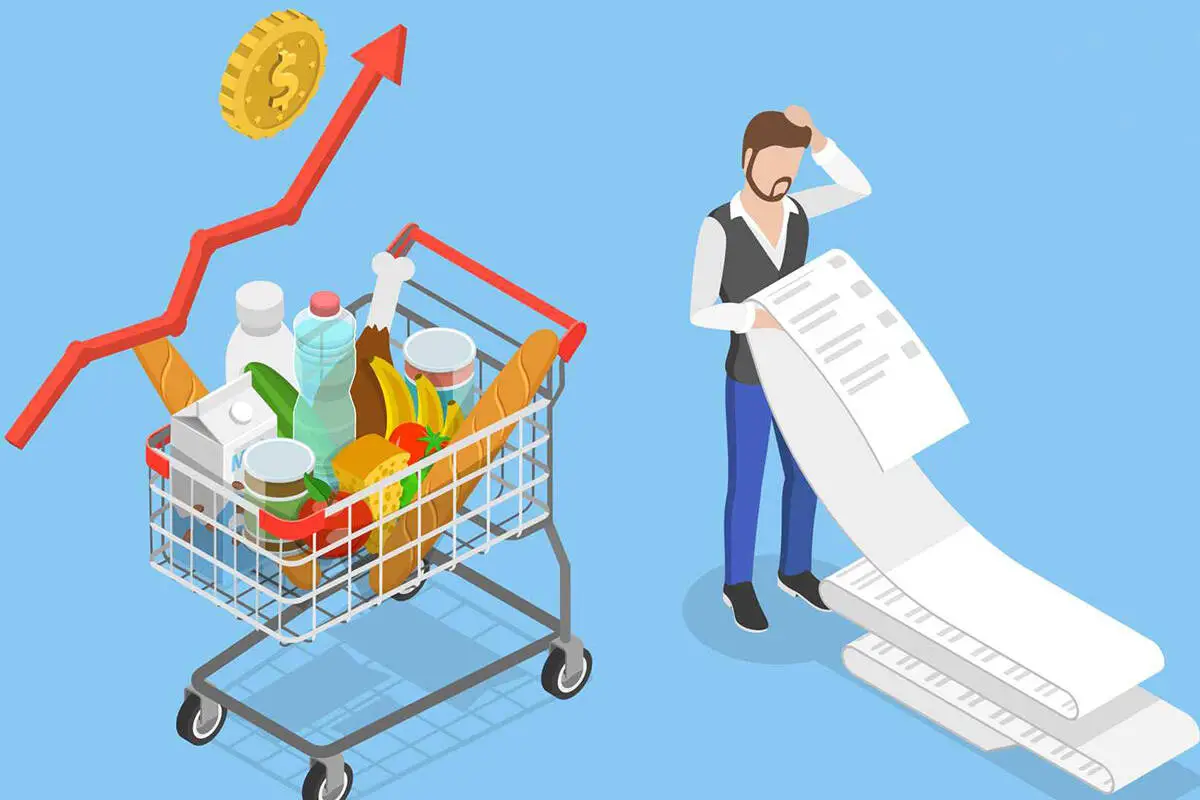
The price of sweets has risen in Delhi due to the high sugar prices, which is affecting consumers' budgets. The increased prices have reduced pre-orders, and some customers are opting for chocolate gift packs.

Expensive sugar makes sweets worth Rs 500 cost Rs 700, ruining the budget for Raksha Bandhan in Delhi-NCR.
Raksha Bandhan 2026: Ahead of Raksha Bandhan, the capital Delhi's sweets market is facing renewed pressure from inflation. The sudden surge in sugar prices has increased the costs for sweets traders. Some shopkeepers have raised the prices of sweets to accommodate the increased costs, while others are currently selling at the old prices to avoid burdening customers during the festival. Traders say that the already high prices of milk, cheese, dry fruits, vegetable oil, ghee, and other raw materials, along with sugar, have further exacerbated the difficulties.
Sugar prices rise from Rs 4900 to Rs 6800 per quintal.
According to sweetmeat traders, sugar, which was available in the wholesale market for around ₹4,900 per quintal until recently, has now risen from ₹6,600 to nearly ₹7,000 per quintal on Tuesday. This short-term increase has directly impacted the cost of sweetmeats. Traders say that while demand for sweets remains high during festivals, sudden price increases impact customers. This is why shopkeepers in Delhi are currently experiencing varying attitudes regarding price increases.
Prices of some sweets have been increased in Janakpuri.
Rahul Agarwal, owner of Agarwal Sweet Center in Janakpuri, West Delhi, expressed his displeasure over the rising price of sugar. He said that the sweetmeat industry is already under pressure from inflation. Along with the increase in the price of commercial gas cylinders, the cost of many ingredients used in making sweets, including refined flour, vegetable oil, and pure ghee, has also increased.
According to him, due to the recent surge in sugar prices, the price of sweets at the shop has been increased by about 20 rupees per kilogram. Current retail prices include cashew barfi at 1,000 rupees per kilogram, cashew roll at 1,100 rupees, and varieties like cashew chocolate barfi, cashew saffron, and cashew rose at around 1,200 rupees per kilogram.
Chocolate rolls and some specialty sweets are selling for around 600 rupees per kg, lachha dry fruit laddus for 740 rupees, and dry fruit laddus for up to 1200 rupees per kg. Dalda motichoor laddus are available for 300 rupees, while desi ghee laddus and patisa are listed at around 500 rupees per kg.
From Rasmalai to Rasgulla, consumer spending has increased.
At the Janakpuri shop, Rasmalai is priced at Rs 45 per piece, and Rabri Rasmalai at Rs 55 per piece. Rasgulla is available at Rs 25 and Rajbhog at Rs 35 per piece. Chocolate Burfi and Special Kalakand are priced at around Rs 600, Milk Cake and Doda Burfi at Rs 520, Chana Burfi at Rs 640, Pistachio Burfi at Rs 580, and Plain Burfi at Rs 560 per kg. White Peda is priced at Rs 580, Red Peda at Rs 540, Malai Chaap, Pakiza, Chhena Toast, and Anarkali at around Rs 520 per kg. Shahi Tukda and Malai Toast are priced at around Rs 600 per kg.
Uttam Nagar businessman said- not in favor of increasing the price right now
A large wholesale and retail sweets trader in Uttam Nagar, West Delhi, who asked not to be identified, told ABP Live that despite the sharp rise in sugar prices, his organization has not yet decided to increase the prices of any sweets. According to the trader, for over 35 years, customers have maintained trust in the quality and reasonable prices. Suddenly increasing prices on the occasion of Rakshabandhan would not be a wise decision.
He explained that when the price of commercial gas cylinders increased, the prices of all products were increased by approximately 8 to 10 percent. Later, when the situation improved, there were plans to reduce prices slightly, but in the meantime, sugar prices increased.
For now, they say prices will be kept as stable as possible until the festival. Further decisions will be made after reviewing market conditions in about 10 to 15 days. Currently, sweets made with vegetable ghee are available for around 250 to 300 rupees per kg, while sweets made with pure desi ghee are available for around 500 to 600 rupees per kg.
Bikaner sweet seller also did not increase the prices.
Dinesh Agarwal, owner of Bikaner Mithai Wala, a longtime sweets trader in Delhi, also declined to raise prices for the time being. He said he has been in the business for over two decades, and that a sudden price hike during Rakshabandhan would be unfair to customer confidence. He added that some products were previously priced higher when commercial cylinder prices rose, and later, prices were reduced when relief was provided. This time, some of the increased sugar costs are being absorbed by the business itself. Further decisions on price changes will be made based on market conditions.
A businessman increased the prices by 10 to 12 percent.
Sahil, a wholesale and retail sweets dealer in West Delhi, said he has had to raise the prices of almost all sweets at his shop by 10 to 12 percent. According to him, sweets are being sold at higher prices even at the production level. Consequently, the cost impact is being passed on to both wholesale and retail customers. However, the actual impact on sales during the festive season can only be assessed after the festival.
The local shopkeeper decided to freeze the price till the festival.
Suresh Sharma, who runs a local sweet shop, says that while the current price of sugar is certainly high, raising the price of sweets during the festive season would not be in the best interest of customers. He explained that his shop produces its own sweets, and therefore, prices will remain unchanged until Rakshabandhan. However, if sugar prices remain at this level after the festival, he may be forced to increase the price of sweets due to the increased cost.
Raksha Bandhan pre-orders down nearly 10 percent.
According to sweetmeat traders, there is a 10 percent decrease in pre-orders for Raksha Bandhan this year. If we assume 100 percent normal sales, current business is estimated to be around 80 to 85 percent. Shopkeepers report strong demand for cashew katli, dry sweets, barfi, and sonpapdi. However, rising prices have forced customers to reassess their shopping budgets.
Sweets worth Rs 500 now cost Rs 650 to Rs 700.
Traders say that the same amount of sweets that used to be purchased with a budget of ₹500 now costs ₹650 to ₹700. This increased cost is affecting not only customers but also shopkeepers' profits. Many traders are currently cutting back on their revenue to avoid price increases, so as not to significantly impact sales during the festival.
Customers are also choosing chocolate gift packs instead of sweets.
With the rising prices of sweets, some customers are opting for chocolate gift packs instead of traditional sweets for Rakshabandhan. According to shopkeepers, gift packs like Cadbury Celebrations, Dairy Milk, KitKat, and Ferrero Rocher are also making up the majority of purchases. However, the traditional demand for sweets on Rakshabandhan remains strong. Therefore, despite the price increase, the sweets market is expected to continue to see increased shopping during the festival.
Rising inflation has a direct impact on Delhi's customers.
Nisha, a customer who came to buy sweets, told ABP Live that while it's understandable that the price of sweets has risen due to the rise in sugar prices, it directly impacts the household budget during festivals like Rakshabandhan. She added that buying sweets is essential for this special festival between brothers and sisters. Therefore, she is forced to make purchases despite the price hike. She added that price increases during festivals increase the hardships of ordinary families, and the government should monitor the prices of such essential commodities.
Another customer, Gagan Sharma, also spoke to the team, stating that the current government is responsible for the sudden increase in sugar prices. Accusing them of manipulating the sentiments of the public, he recommended action against officials in the fertilizer department. He said that he and his sisters typically buy sweets for their families on Rakshabandhan. When he arrived at the shop, the sudden price hike caused him considerable distress. Inflation was already at its peak, and he had already set a budget that had been disrupted. The government should also not spare traders who are hoarding, as such sudden increases during the festival season are causing significant problems.
Now the direction of the sweet market will be decided after the festival.
The Delhi sweets market is currently experiencing a two-pronged approach. Some shopkeepers have raised prices due to increased costs, while others are trading at their previous prices, hoping for customer confidence and festive sales.
The future prices of sweets will largely depend on the sugar price in the coming days and the sales trend after Rakshabandhan. Traders are not ruling out the possibility of another increase in sweet prices after the festival if raw material costs remain high.