LIFESTYLE
Exclusive: Big 'corporate game' in the name of pollution, what is the agenda behind retiring vehicles in 10 years?

Delhi-NCR Air Pollution: In Delhi alone, 820,000 vehicles were sold in one year. Parts from these old vehicles are being used in new vehicles. This is causing harm to the common man.
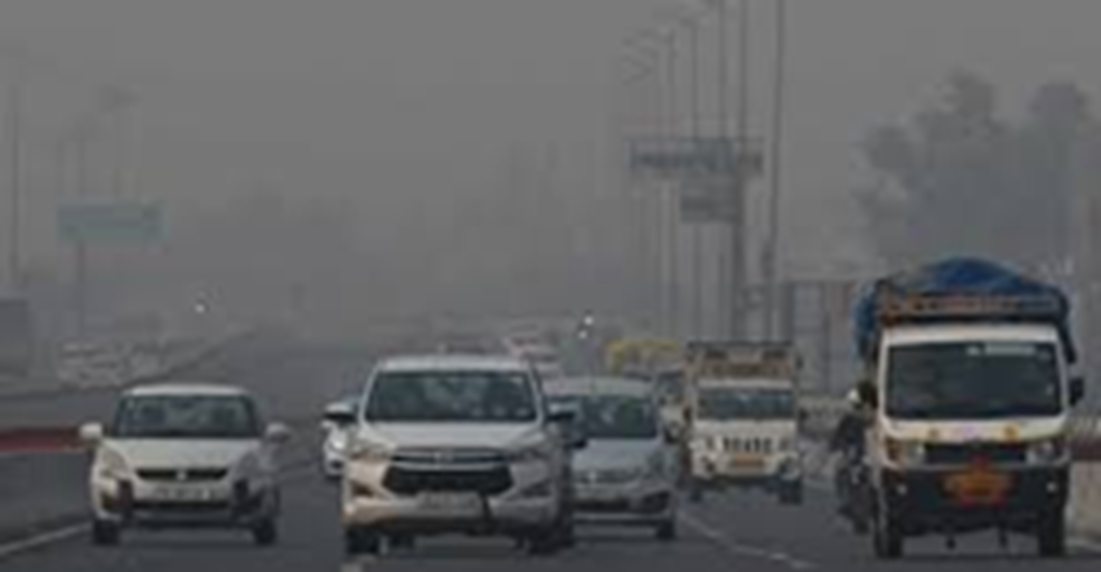
Delhi-NCR Air Pollution: Years have passed, times have changed, but Delhi-NCR's toxic air remains unchanged. The harsh winter, dense fog, and pollution are constantly deteriorating the health of residents in Delhi-NCR. Many efforts are being made, but nothing concrete is emerging.
Efforts to prevent or reduce pollution include restrictions on the use of generators, prohibitions on open burning, and the entry of petrol and diesel-powered buses into cities. Furthermore, BS-3 petrol and BS-4 diesel cars are not permitted on the roads in Delhi-NCR.
What are the BS-3, 4 and 6 categories?
The BS-3 category includes models manufactured before 2010, which are based on older pollution standards and emit more smoke. Vehicles like the Hyundai Santro, Indigo, and Tata Indica fall under the BS-3 category. This means they emit more pollutants like nitrogen oxide (NOx) and particulate matter (PM) than vehicles that fall under the BS-4 or BS-6 categories.
Similarly, BS-4 refers to vehicles manufactured between April 1, 2017, and March 31, 2020. Models ranging from the Toyota Innova to the Mahindra Scorpio fall into this category. Therefore, their operation is also prohibited. Currently, BS-6 standards are in effect. This means that models manufactured after BS-4 reduce pollution. These models keep the air clean and do not harm it.
Common man in trouble
Now the question arises: cars will become obsolete every 5-10 years. How will the common man survive? He usually buys cars on EMIs, which don't end until a new order comes, forcing him to sell his car and buy a new one. Furthermore, he has no other option, as cities like Delhi-NCR lack metro connectivity. Relying on cabs every day is also unwise. Consequently, people are increasingly purchasing new cars with a small down payment. But if a car that lasts 30-40 years is declared obsolete in just 5-10 years, where will people go?
Why the ban on old vehicles?
ABP Live's conversation with Shivaji Sarkar, a professor at IIMC and a market expert, revealed several issues. He explained, "Forty-four-year-old vehicles are used in foreign countries, but in our country, they are not allowed to be sold, citing concerns about increased pollution. However, the amount of smoke emitted by vehicles is less than 1 percent, so there's no question of them increasing pollution. Therefore, many times, when vehicles are about to be sold, companies buy them, recycle their parts (headlights, windshields, etc.) and reuse them in new vehicles."
Citing a recent Times of India report, he said that Delhi has been one of the cleanest cities since 2020, so why and how pollution is spreading is a big question in itself.
Shivaji Sarkar continues, "Over the past year, 820,000 vehicles have been sold in Delhi. Companies are making 30-90 percent more profit by using old parts and selling new vehicles. This is hurting the common man. Typically, 70-80 percent of people are buying vehicles on loans, which take at least seven to eight years to repay. By then, the vehicles will become obsolete again in two or three years and will be banned from driving. This is a game that must be stopped."
Public transport should be better
He adds, "To achieve this, more work must be done on the transport system in Delhi-NCR. Buses should be improved, along with metro connectivity. It should be ensured that these routes are covered as many routes as possible, as there are other districts besides Delhi, Gurgaon, and Faridabad that fall within the NCR region. Access to these should also be improved so that people use public transport more often, rather than relying on personal vehicles. Treating vehicles like enemies in the name of pollution in Delhi is completely unfair, and the government needs to take immediate action."