LIFESTYLE
Egg Storage Tips: Does an egg crack on its own in the fridge? 1 accidentally breaks the shell
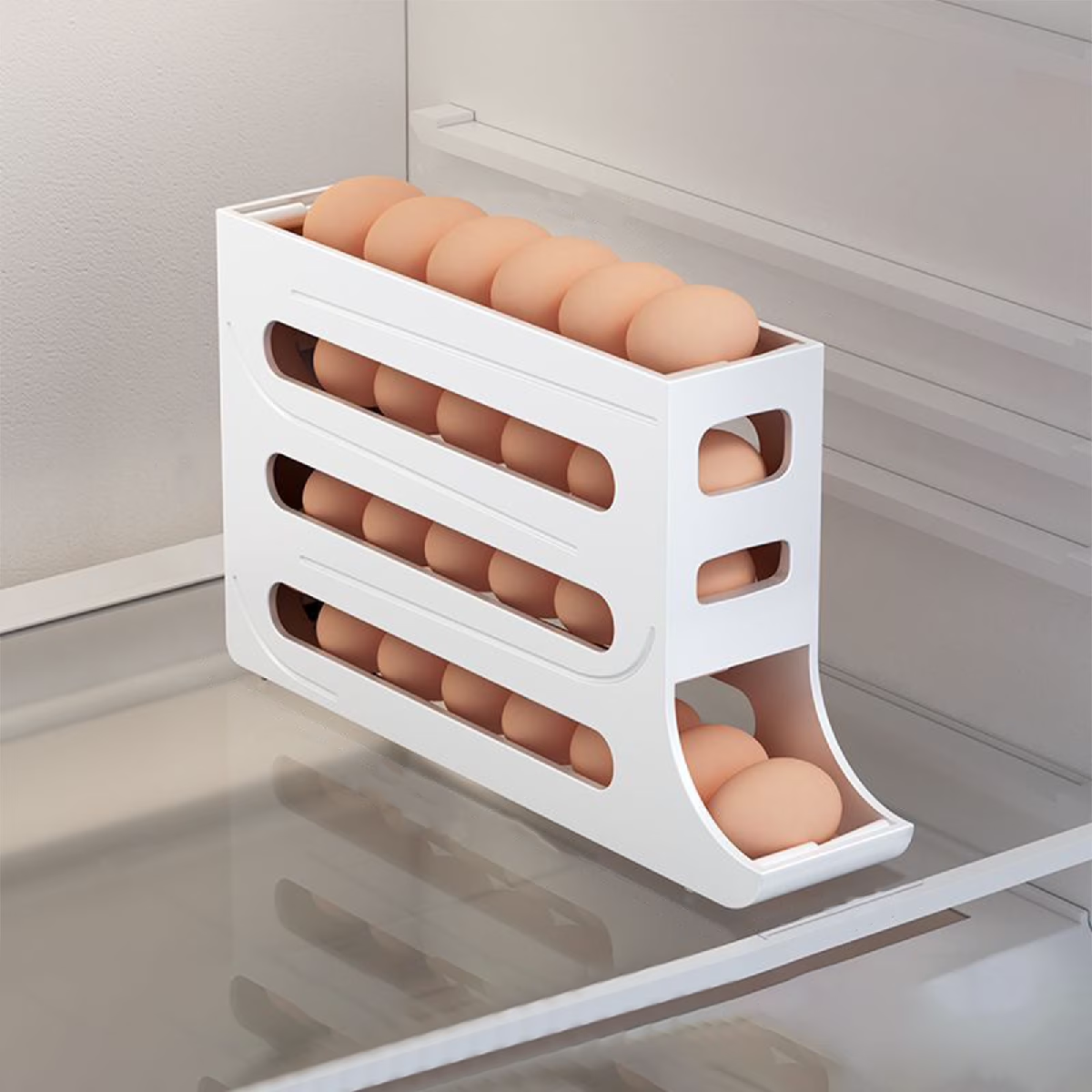
Cracked Eggs: Eggshells may appear strong from the outside, but they aren't completely solid. Sudden changes in temperature, improper storage, or pressure can cause them to crack.
Why do eggshells break in the fridge?
Why Do Eggs Crack In Fridge: Eggs are a part of almost every household's kitchen. They are boiled, fried, scrambled eggs or used in baking. But sometimes, when eggs are taken out of the fridge, it is found that their shell has developed a slight crack. In such a situation, the first question that arises is why the egg shell is cracking despite being kept in the fridge and is such an egg safe to eat? If a small crack is seen in the egg shell, it should not be ignored. Cracks in the shell can allow bacteria to enter inside. Therefore, some important things should be kept in mind from buying eggs to storing them in the fridge and using them.
Why do eggshells break in the fridge?
The eggshell appears strong from the outside, but it isn't completely solid. It contains tiny pores. Sudden changes in temperature, improper storage, or pressure can cause the shell to crack. Temperature changes can also affect eggs if they are placed directly from a warm place to a very cold environment, or if they are repeatedly taken out of the refrigerator and put back in. Frequent opening and closing of the refrigerator door also causes the temperature there to fluctuate more than the main body. Therefore, storing eggs in the refrigerator door is not recommended.
What is the right place to keep eggs?
It's best to store eggs on the main shelf of the refrigerator rather than in the egg tray built into the refrigerator door. Keep them in their original carton. The carton helps protect the eggs from bumping against each other and from direct contact with outside odors or moisture. The USDA recommends storing eggs in their cartons on the refrigerator shelf, not the door. The back or cooler part of the refrigerator helps maintain a more stable temperature.
Check the eggs when you buy them.
Sometimes eggs develop slight cracks not after being refrigerated, but while being transported from the store to home. Pressure on the carton, being crushed between items, or being jolted in transit can cause very fine cracks in the shell. Therefore, inspect each egg carefully when purchasing eggs. Avoid eggs with broken or cracked shells. The USDA also advises against purchasing eggs that have already been cracked.
A small hair-like crack and a large crack are different.
Not every crack is the same. Sometimes, a very fine line appears on the shell, while in other cases, the shell is broken enough to expose the egg white or yolk. If the egg white or yolk is leaking, the egg should not be used. According to the USDA, it is best to discard any cracked egg that is leaking its contents.
Can I use a lightly cracked egg?
If an egg is slightly cracked during storage but nothing leaks out, caution is still necessary. It's best to use such eggs promptly rather than storing them for a long time, and they should be cooked thoroughly. Avoid using such eggs in dishes containing raw or undercooked eggs. Cook the egg until the white and yolk are thoroughly cooked.
Discard if you notice a foul odor or strange color.
If the egg is cracked, has a strong or off odor when opened, the white appears abnormal, or the yolk is an unusual color, do not use it. Do not even attempt to taste such an egg. If there is any doubt about the condition of the egg, it is safest to discard it. The harm caused by a spoiled egg is much smaller than the risk of foodborne illness.
Keep these things in mind to prevent eggs from breaking.
Always store eggs in their carton and choose a shelf with a stable temperature in the refrigerator. Avoid placing heavy objects on top of the carton or pressing eggs against each other. Handle eggs gently when removing them from the refrigerator. If an eggshell appears to be already broken, keep it separate from the rest and decide whether to use or discard it based on its condition. A little care can help prevent eggs from breaking and preserve their quality for a longer period.