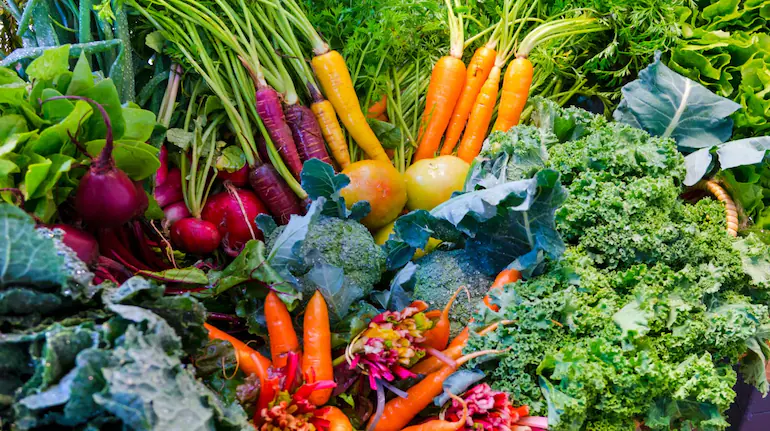
When weight gain becomes a concern, most people immediately blame junk food, sugary drinks, or fried snacks. While these are obvious culprits, they are not the only reason the numbers on the scale go up. Surprisingly, some vegetables that are commonly considered healthy can also contribute to weight gain if eaten in excess or without proper balance.
Weight loss is not just about eating less—it is about eating smart. Choosing the right foods, understanding portion sizes, and maintaining dietary balance play a crucial role. Several everyday vegetables are rich in nutrients, but they also contain high levels of calories, carbohydrates, starch, or natural sugars, which can slow down the weight-loss process if consumed frequently or in large quantities.
This does not mean these vegetables are “bad.” Instead, it highlights the importance of moderation, especially for those actively trying to lose weight. Let’s take a closer look at six vegetables that may unknowingly contribute to weight gain and how to include them wisely in your diet.
1. Potato
Potatoes are a staple in most Indian households and are loved for their versatility and taste. However, they are also high in starch and calories. Frequent consumption, especially in large portions, can lead to rapid spikes in blood sugar levels, prompting the body to store excess energy as fat.
During weight loss, potatoes should not be eliminated entirely, but they should be consumed occasionally and in controlled portions, preferably boiled or baked rather than fried.
2. Arbi (Colocasia/Taro Root)
Arbi may look light and harmless, but it is actually a calorie-dense vegetable. Its starchy nature makes it filling, but excessive intake can easily add extra calories to your daily diet.
For individuals aiming to shed weight, arbi is best limited or avoided, as regular consumption may slow progress and counteract calorie control efforts.
3. Green Peas
Green peas are often praised as a healthy vegetable due to their protein and fiber content. However, they also contain a relatively high amount of carbohydrates compared to many other vegetables.
Eating peas in moderation is key. Large servings or frequent use in meals can increase overall carb intake, which may contribute to weight gain if not balanced with physical activity.
4. Pumpkin
Pumpkin is generally considered a light and low-fat vegetable, but it contains natural sugars and carbohydrates. While it is nutritious and rich in vitamins, overeating pumpkin can gradually add extra calories to your diet.
Those on a weight-loss journey should include pumpkin in limited quantities, pairing it with protein-rich foods to maintain better blood sugar balance.
5. Beetroot
Beetroot is packed with essential nutrients and antioxidants, making it popular in health-focused diets. However, it also contains natural sugars and carbohydrates, which can impact blood sugar levels when eaten in excess.
Regularly consuming large amounts of beetroot may promote fat storage, especially in individuals with low physical activity. Moderation is crucial to enjoy its benefits without hindering weight-loss goals.
6. Sweet Potato
Sweet potato is often marketed as a “healthy carb” and is indeed a good source of energy. That said, it is also high in calories and carbohydrates. If consumed frequently without adequate exercise, it can easily contribute to weight gain.
For weight loss, sweet potatoes should be eaten in small portions and ideally around workout times when the body can use the energy efficiently.
The Key Takeaway: Balance Matters More Than Labels
Not all vegetables automatically support weight loss just because they are nutritious. Portion control and overall dietary balance are far more important than simply labeling foods as healthy or unhealthy. Instead of completely eliminating these vegetables, the smarter approach is to consume them mindfully and combine them with low-calorie, high-fiber options like leafy greens, cucumbers, gourds, and salads.
Weight loss is a long-term process that requires consistency, awareness, and informed choices. By understanding how certain foods affect your body, you can enjoy a varied diet without unintentionally sabotaging your progress.
Disclaimer: This article is intended for general informational purposes only and should not be considered a substitute for professional medical or nutritional advice. For personalized guidance, always consult a qualified healthcare or nutrition expert.