LIFESTYLE
Eating the Same Food Every Day: Do you eat the same food every day? It could be robbing you of your stomach's strength!

Healthy Gut Bacteria: Eating the same foods repeatedly can gradually weaken the body's microbiome. The effects are initially minor.
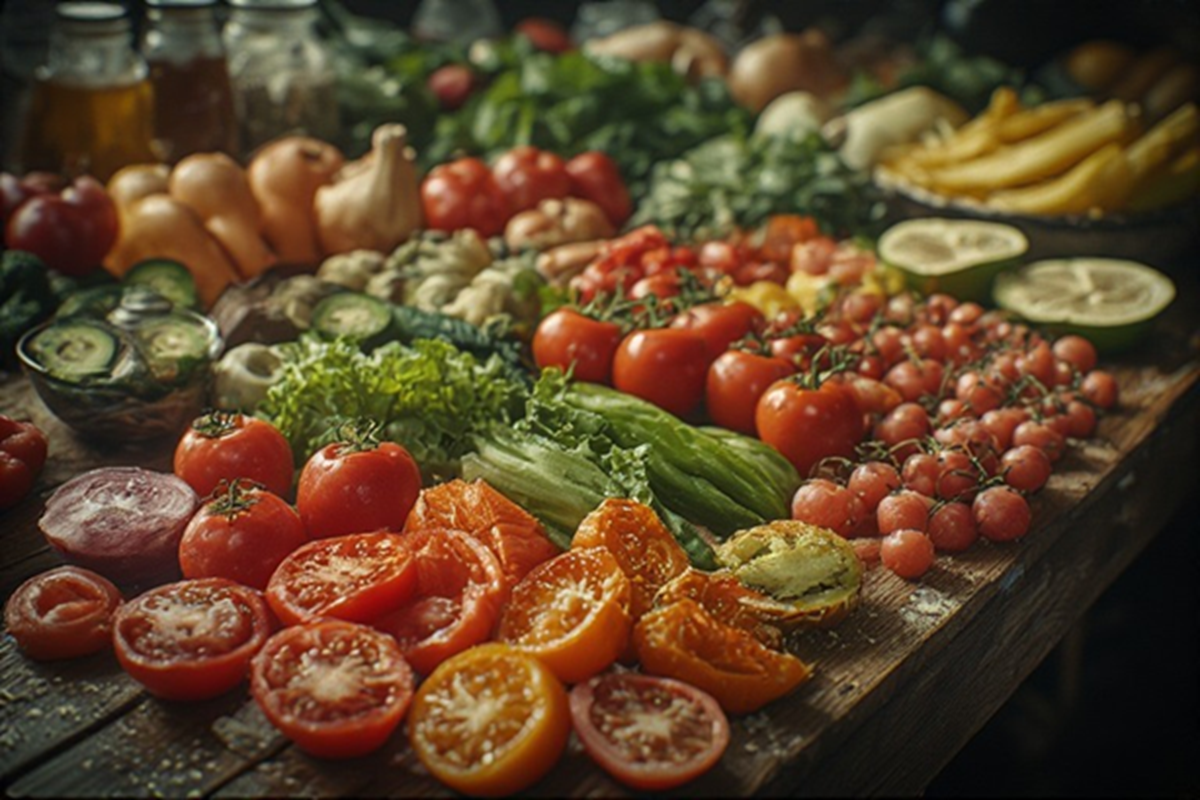
Is it harmful to eat the same food every day?
What Happens If You Eat the Same Food Every Day? Many people find it easy and safe to eat the same food every day. Same breakfast, same lunch, and same plate for dinner. This saves time, eliminates the need to think too much about food, and people believe it keeps the body balanced. But the body's digestive system stays healthy not just by following a routine, but also by variation and variety in food.
What do experts say?
According to Charu Dua, clinical nutritionist at Amrita Hospital in Faridabad, our gut contains millions of microorganisms that play a vital role in digestion and health. Each of these microorganisms requires different nutrients. When we eat the same food for a long time, the body lacks many essential fibers and nutrients. This gradually affects the beneficial bacteria in the gut.
Research has found that people who eat a variety of plant-based foods throughout the week have stronger and more balanced gut flora. This diversity is considered a hallmark of good digestion and a strong body.
What is the problem with this?
Charu Dua explains that eating the same food repeatedly can gradually weaken the microbiome within the body. The effects are initially minor, but over time, problems like bloating, constipation, heaviness, and poor digestion can increase. Many people think that if their plate contains lentils, rice, and vegetables, they are getting everything their body needs. However, the truth is that the fiber content of different grains, fruits, and vegetables varies. These changes maintain the balance of the gut flora.
What are its benefits?
While some consistency in daily diets has its benefits. It makes it easier to manage weight, maintains regular eating habits, and ensures the body receives food at a consistent time. However, problems arise when diets remain unchanged for months or years. Experts say there's no need to suddenly change your eating habits. Small changes prove more beneficial, such as replacing rice with whole grains, changing vegetables according to the season , including different pulses, and adding yogurt or buttermilk to your diet.