Cancer Breath Analysis: Deep-tech start-u Diagnosis is developing a cancer screening technology that could transform the way health check ups are conducted in India. Let's explain it.
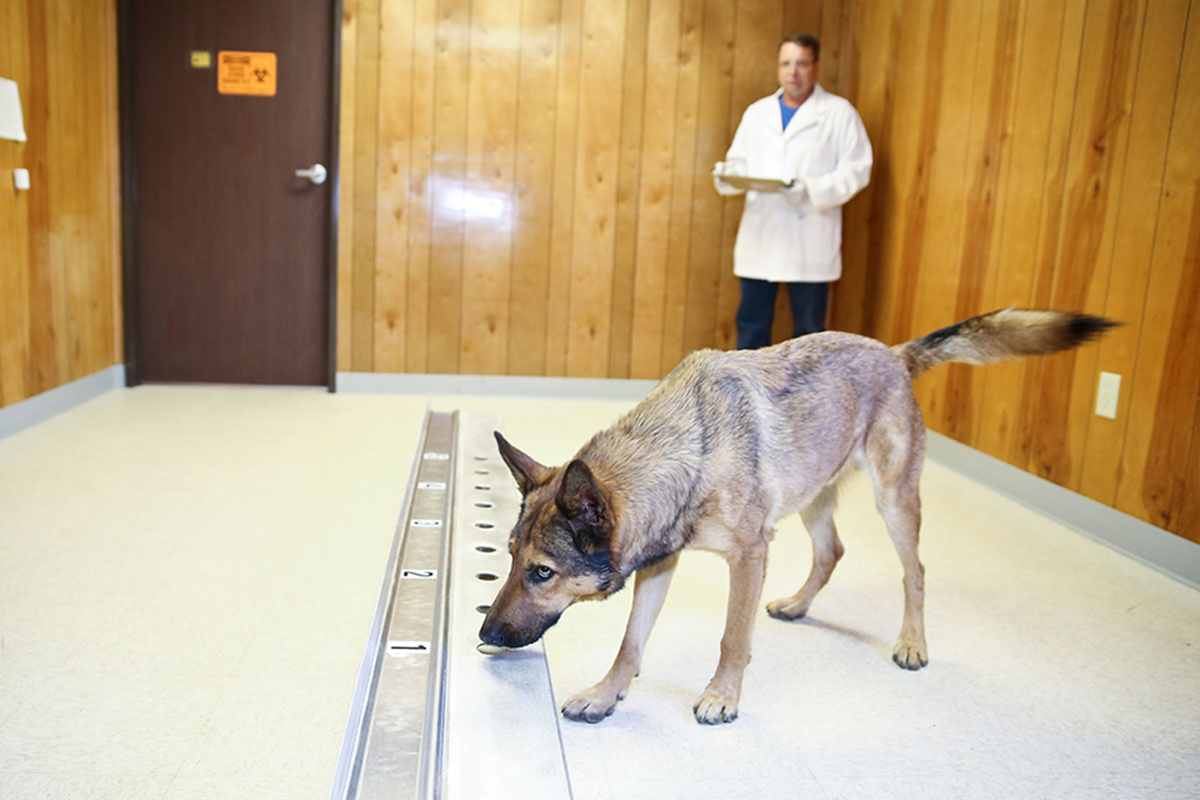
Diagnosis Cancer Screening Technology: Bengaluru-based deep-tech startup Dognosis is developing a cancer screening technology that could transform the way health checkups are conducted in India. The company's platform, called 'BreathEasy,' combines dogs' sense of smell and brain-computer interface technology. Its goal isn't to provide a definitive cancer treatment, but rather to identify people at high risk for cancer and refer them for further medical evaluation.
The company plans to launch it commercially in India by early 2027 if the current clinical trials are successful. The technology's most significant advantage is that it doesn't require any blood tests or scans. Individuals simply need to breathe into a special mask for approximately 10 minutes, after which their breath sample will be analyzed. Diagnosis believes that in the future, this test could become part of annual health checkups, not just after symptoms appear. This could make it easier to identify those at risk early and allow for timely further testing.
How does it work?
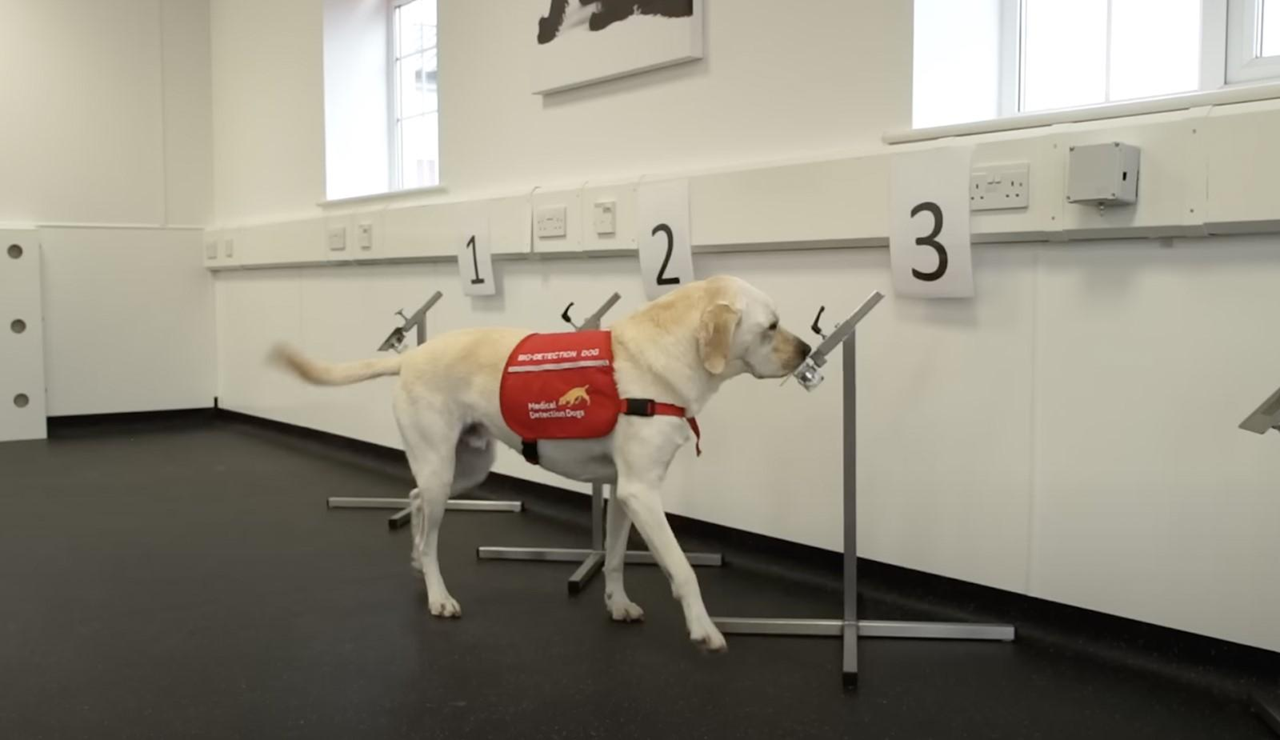
Breath Easy is based on a scientific principle. When cancer cells develop in the body, they release tiny chemical molecules called volatile organic compounds, which are exhaled through the breath. Dogs have a much sharper sense of smell than humans, so they can detect even these very faint chemical signals. The company primarily uses Beagle dogs, although other breeds are also being trained. Dagnosys claims that its technology does not rely solely on the dogs' behavior. A special brain-computer interface has been developed that records and analyzes the dog's brain activity while sniffing a sample. This reduces the reliance on signalling behaviour alone.
Breath samples are tested on the company's automated platform. According to the company, this system can test over 200 samples in a single session without any human assistance. In the future, the goal is to test approximately 1 million samples annually by operating multiple units simultaneously. Samples will be collected from hospitals, diagnostic labs, or other health centres and sent to the testing centre.
Clinical trials are still ongoing
Breath Easy is currently undergoing large-scale clinical trials. The aim of these studies is to determine how accurate and reliable the technology is in real-world conditions. A recent study published in the Journal of Clinical Oncology found that approximately 9 percent of participants who did not have cancer were mistakenly labelled positive. Similarly, approximately 9 percent of cancer patients were not identified.
However, the company states that these data cannot be directly applied to the general population. The study deliberately included a high number of cancer patients to evaluate the scientific potential of the technology. The actual population has a much lower proportion of cancer cases, so screening results may differ. The current trial is expected to provide data that better reflects real-world conditions.
No cure, just a means of early screening
The diagnosis clearly states that Breath Easy is not intended to provide a definitive diagnosis of cancer. It is being developed as a risk stratification or early screening tool. This means it will only identify people who may be at higher risk of developing cancer. These individuals will then need to undergo more traditional testing, such as imaging, blood-based tests, or biopsies. The company believes this will limit expensive and complex testing to those in need, reducing the burden on the healthcare system. Independent experts consider this technology interesting and promising, but they say that large-scale clinical evidence will be necessary before it can be integrated into healthcare services. Many questions remain regarding its actual utility, large-scale operation, and reliability.