Atrial Fibrillation Symptoms: Experts say that with increasing age, the increasing burden of obesity, diabetes, and uncontrolled high blood pressure is also causing an increase in its cases.
Symptoms and causes of atrial fibrillation
Atrial Fibrillation Symptoms And Causes: People often ignore a sudden increase in heartbeat, a fluttering sensation in the chest or shortness of breath without any specific reason, thinking it to be a normal problem. However, if this happens repeatedly, it can be a sign of a heart-related problem called atrial fibrillation. This is one of the most common problems related to the rhythm of the heartbeat in the world. The worrying thing is that in many people, its clear symptoms are not visible and the disease is detected only after it becomes a serious problem.
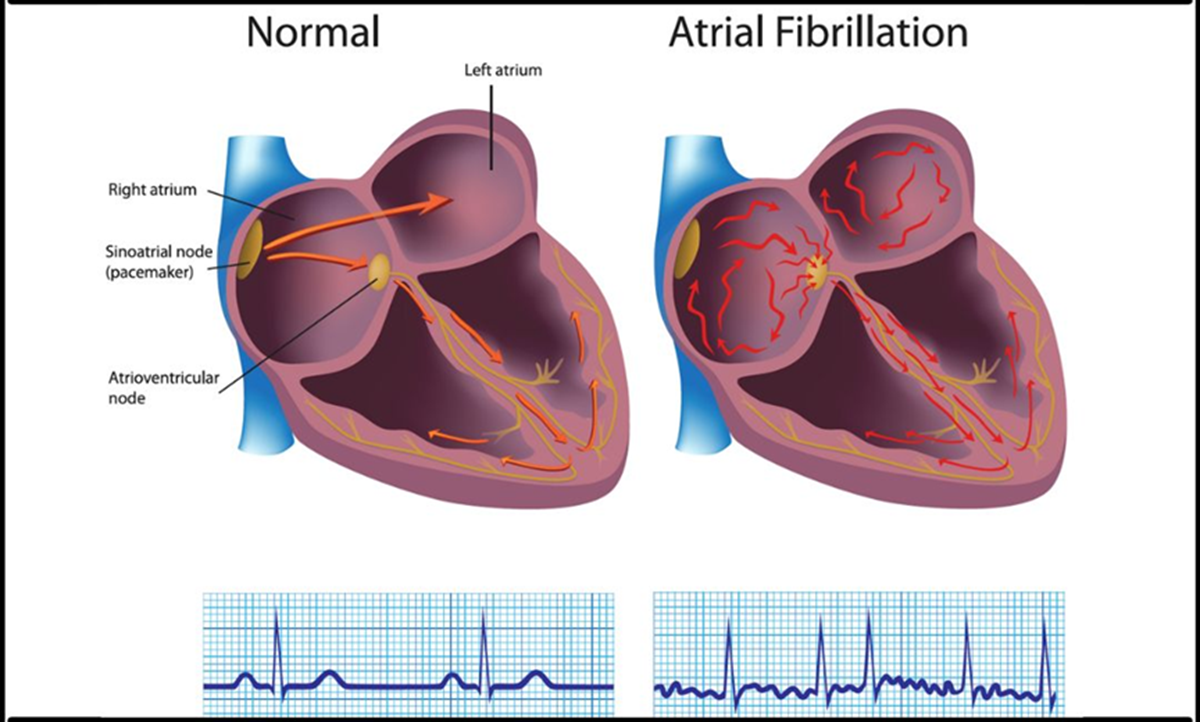
According to estimates from the Global Burden of Disease Study, around 8 million people in India live with atrial fibrillation. Experts say that the increasing burden of obesity, diabetes, and uncontrolled high blood pressure along with aging is also contributing to the rise in cases. Dr. Christopher Granger, Professor of Medicine at Duke University School of Medicine, told India Today Digital that atrial fibrillation occurs when there is abnormal electrical activity in the upper chambers of the heart, the atria. This causes the heart to beat irregularly instead of in a normal and orderly manner.
What are the symptoms of atrial fibrillation?
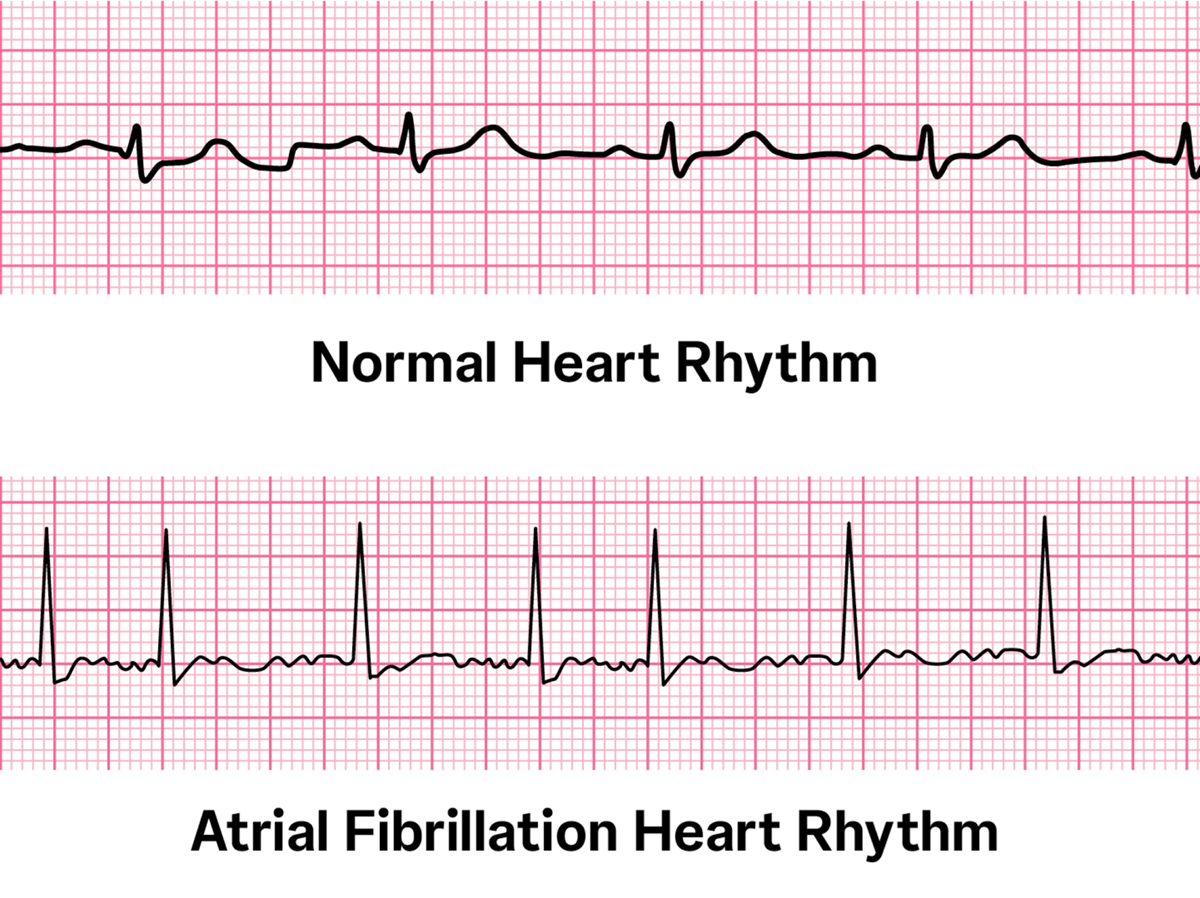
Atrial fibrillation isn't easy to diagnose in everyone. Some people have obvious symptoms, while others may experience it without any obvious symptoms. This is called silent atrial fibrillation. In such cases, the condition may go undetected until a serious problem develops. Common symptoms include a rapid heartbeat or palpitations, shortness of breath, increased fatigue, decreased ability to exercise, and an irregular pulse.
According to Dr. Granger, persistent heart palpitations or sudden increases in heart rate while resting should not be ignored. Smartwatches that detect irregular heart rhythms may also help identify this problem in some people. However, an ECG may be needed for further investigation.
Why is atrial fibrillation dangerous?
The biggest risk factor associated with atrial fibrillation is stroke. When the heart's upper chambers fail to contract normally, blood can pool inside the heart, increasing the risk of blood clots. If this clot travels from the heart to the brain, it can block blood flow and cause an ischemic stroke. According to Dr. Granger, atrial fibrillation increases the risk of stroke by approximately five times. One in five strokes is associated with this condition. Strokes associated with atrial fibrillation are often more severe and may also increase the risk of permanent disability.
This problem isn't limited to stroke. Atrial fibrillation can also contribute to heart failure by affecting the heart's pumping capacity. This can lead to fluid accumulation in the lungs and worsening shortness of breath.
Treatment can prevent up to 70% of strokes.
Timely use of anticoagulant medications, also commonly known as blood thinners, is considered crucial in preventing strokes associated with atrial fibrillation. According to Dr. Granger, effective blood thinners can prevent approximately 70 percent of strokes caused by atrial fibrillation. Treatment may also include medications to control the heart rate or rhythm. Some patients may require catheter ablation, a minimally invasive procedure that attempts to restore normal heart rhythm by blocking the abnormal electrical signals.
Is it possible to prevent atrial fibrillation?
Some risk factors, such as age and genetics, cannot be changed, but controlling several lifestyle factors can help reduce the risk or delay the disease. Dr. Granger recommends controlling blood pressure, managing diabetes and cholesterol, maintaining a healthy weight, and exercising regularly. It's also important to avoid smoking, limit alcohol consumption, and get adequate sleep. If you suspect sleep apnea, it's recommended to get tested for it. He also notes that drinking tea or coffee in moderation doesn't appear to increase the risk of atrial fibrillation. Some studies have even linked it to a lower risk.