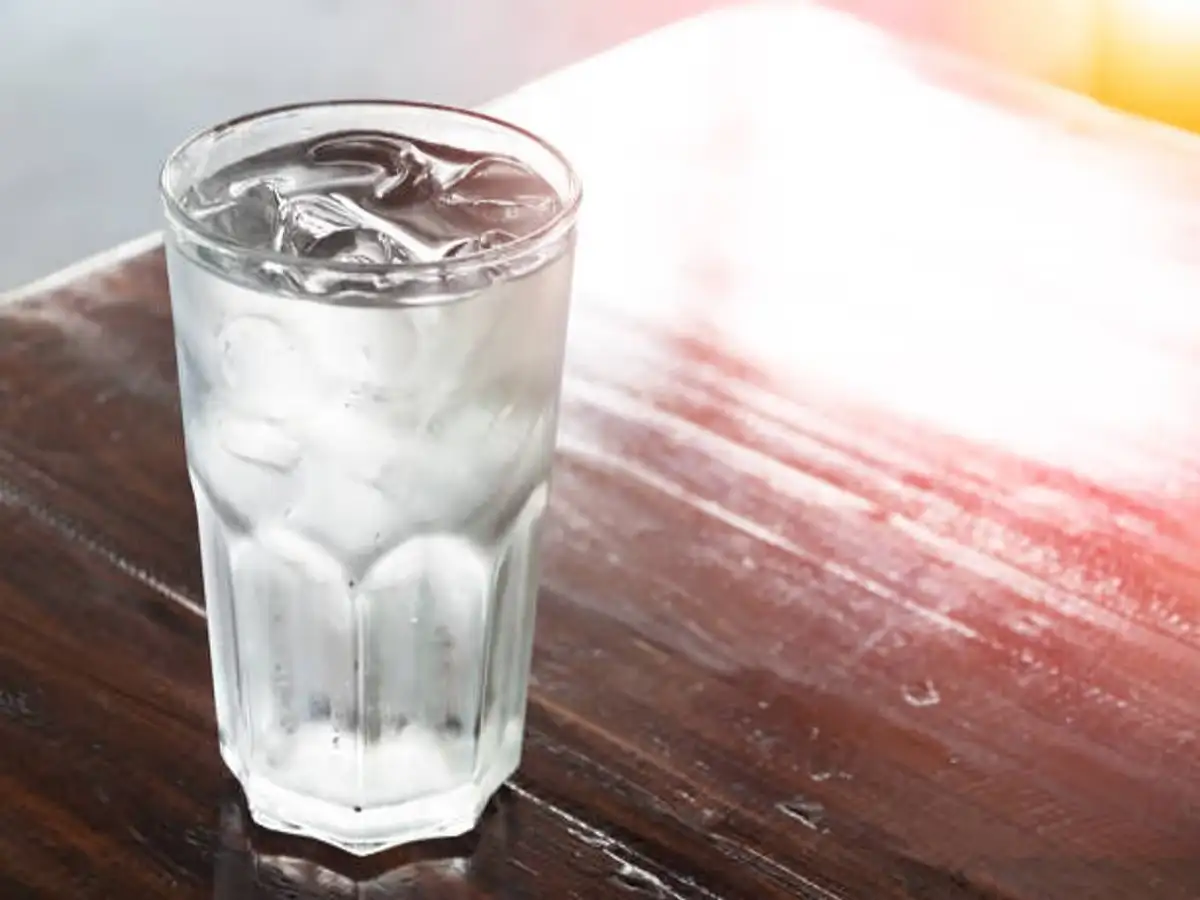
Health Tips: Many people stop drinking chilled or refrigerated water during the rainy season because they believe it can cause a cold, cough or sore throat. However, the common cold is caused by viruses—not simply by the temperature of the water you drink. Still, very cold drinks can sometimes make throat discomfort feel worse in certain people.
During hot weather, a glass of cold water can feel refreshing. But as soon as the monsoon or winter season arrives, many families advise switching to room-temperature or warm water. The usual reason is simple: “Cold water will give you a cold.”
This belief has been passed down for years, but the medical explanation behind the common cold is quite different. Understanding what actually causes respiratory infections can help separate everyday myths from useful precautions.
What Actually Causes the Common Cold?
The common cold is a viral infection affecting the upper respiratory tract, particularly the nose and throat. According to the Centers for Disease Control and Prevention (CDC), more than 200 respiratory viruses can cause cold symptoms, with rhinoviruses being the most frequent cause.
Typical symptoms can include a runny or blocked nose, sneezing, coughing, sore throat and headache. Some people may also experience mild body aches or fever.
These viruses spread mainly when an infected person coughs or sneezes, through close personal contact, or when someone touches a contaminated surface and subsequently touches their eyes, nose or mouth.
So, catching a cold requires exposure to an infectious virus. Drinking a glass of chilled water does not create such a virus inside the body.
Can Cold Water Directly Give You a Cold?
In general, no. There is no good evidence that drinking cold water directly causes the common cold.
A healthy person can usually drink water at whatever temperature feels comfortable. Whether the water is chilled, at room temperature or warm does not by itself determine whether someone develops a viral cold.
The confusion may arise because respiratory illnesses are often more common during cooler periods. People may therefore associate cold weather, cold food or cold drinks with becoming sick.
However, correlation does not mean that cold water itself is responsible for the infection.
Why Can Chilled Water Sometimes Make Your Throat Feel Worse?
This is where the issue becomes slightly more nuanced.
Cold water may not cause an infection, but extremely chilled drinks can feel uncomfortable for some people—particularly when they already have throat irritation, allergies, coughing or an existing respiratory infection.
A person may temporarily notice throat discomfort, sensitivity or an unpleasant sensation after consuming something very cold. Individual responses vary considerably.
If chilled water consistently irritates your throat, choosing room-temperature or warm water may simply be more comfortable.
On the other hand, there is no need for a healthy person to automatically avoid cold water solely because of fear that it will cause a viral infection.
Cold Water and Sore Throat Are Not the Same as a Viral Cold
Another common misunderstanding is treating throat irritation and the common cold as the same condition.
A sore throat can occur for many reasons, including viral infections, allergies, dry air, environmental irritants and other conditions. Feeling temporary discomfort after drinking something cold does not necessarily mean you have developed an infection.
Similarly, if cold water makes an existing sore throat feel worse, that does not prove the water caused the illness in the first place.
The underlying cause and the factor that temporarily changes how symptoms feel can be two different things.
What Really Helps Reduce the Risk of Catching a Cold?
Instead of focusing heavily on water temperature, paying attention to infection-prevention habits is more useful.
- Wash your hands regularly with soap and water.
- Avoid touching your eyes, nose and mouth with unwashed hands.
- Minimise close contact with people who are visibly unwell where practical.
- Cover coughs and sneezes and maintain good respiratory hygiene.
- Get adequate sleep and follow a balanced diet.
- Drink enough fluids to remain properly hydrated.
- Clean frequently touched surfaces when someone at home is sick.
The CDC also notes that there is currently no vaccine that protects against the common cold because many different respiratory viruses can cause it.
Should You Drink Warm Water When You Have a Cold?
Warm liquids can feel soothing when someone already has a sore throat, blocked nose or cough. They may provide comfort and make it easier to maintain adequate fluid intake.
That does not mean warm water kills the viruses responsible for a cold, however.
The more important goal is staying hydrated. If room-temperature or warm water feels better while you are sick, choose that. If cool water is comfortable and does not aggravate your symptoms, it generally does not need to be avoided purely because of the myth that it causes colds.
When Should You Seek Medical Advice?
Most common colds improve on their own, but some symptoms deserve medical attention.
The CDC recommends seeking medical care for problems such as difficulty breathing, dehydration, fever lasting several days, symptoms that continue for more than about 10 days without improving, or symptoms that initially improve and then return or worsen.
People with chronic medical conditions or weakened immune systems may also need medical advice sooner.
Bottom Line
The popular belief that drinking cold water automatically causes a cold is a myth. Colds are infections caused by viruses, and exposure to those viruses—not the temperature of drinking water—is the fundamental cause.
Very cold water can nevertheless feel uncomfortable or temporarily aggravate throat irritation in some individuals. In that situation, switching to room-temperature or warm water is perfectly reasonable.
Rather than worrying excessively about whether your drinking water is cold or warm, focus on hydration, hand hygiene, adequate rest and reducing exposure to respiratory infections. Those measures are far more relevant to protecting yourself from the common cold.
Disclaimer: This article provides general health information and should not be considered a substitute for professional medical diagnosis or treatment.