
A recent report and a warning from doctors have made it clear that taking painkillers without a doctor's advice can become a dangerous habit. It can gradually harm your body from within.

Disadvantages of painkillers
In today's fast-paced life, pain has become commonplace. Whether it's a headache, backache, joint pain, period pain, or a mild fever, most of us rush to the pharmacy and grab a painkiller without much thought. People resort to medications like ibuprofen, diclofenac, naproxen, or Tylenol repeatedly. But did you know that the very medicine that provides instant relief can slowly harm your body from within? A recent report and a warning from doctors have made it clear that taking painkillers without a doctor's advice can become a dangerous habit. So, let's understand how dangerous it is to take painkillers repeatedly.
How many painkillers are being taken?
According to a recent study, NSAIDs (painkillers) are prescribed more than 1 billion times each year worldwide. Approximately 30 million people consume these medications daily. These figures indicate that painkillers are no longer a necessity, but rather a habit. NSAIDs stand for non-steroidal anti-inflammatory drugs. These are medications that relieve pain, reduce inflammation, and reduce fever. They are commonly used for problems like headaches, colds, flu, or COVID-19, sprains, strains, period pain, and arthritis.
How dangerous is it to take painkillers repeatedly?
1. Painkillers damage the intestines - 75 percent of people who take painkillers like ibuprofen develop inflammation in their intestines. One in four people can develop stomach ulcers. Painkillers reduce blood flow in the small veins that supply blood to the intestines. When the intestines don't receive an adequate blood supply, the intestinal lining weakens, allowing bacteria and toxins to enter the body, causing inflammation and irritation. Symptoms can include abdominal pain, heartburn, vomiting, black stools, and IBS.
2. Kidney and liver effects - Painkillers also affect the kidneys' nerves. Gradually, the kidneys' filtering capacity decreases. Often, this is only discovered when the damage is already severe. Therefore, doctors recommend periodic blood and urine tests.
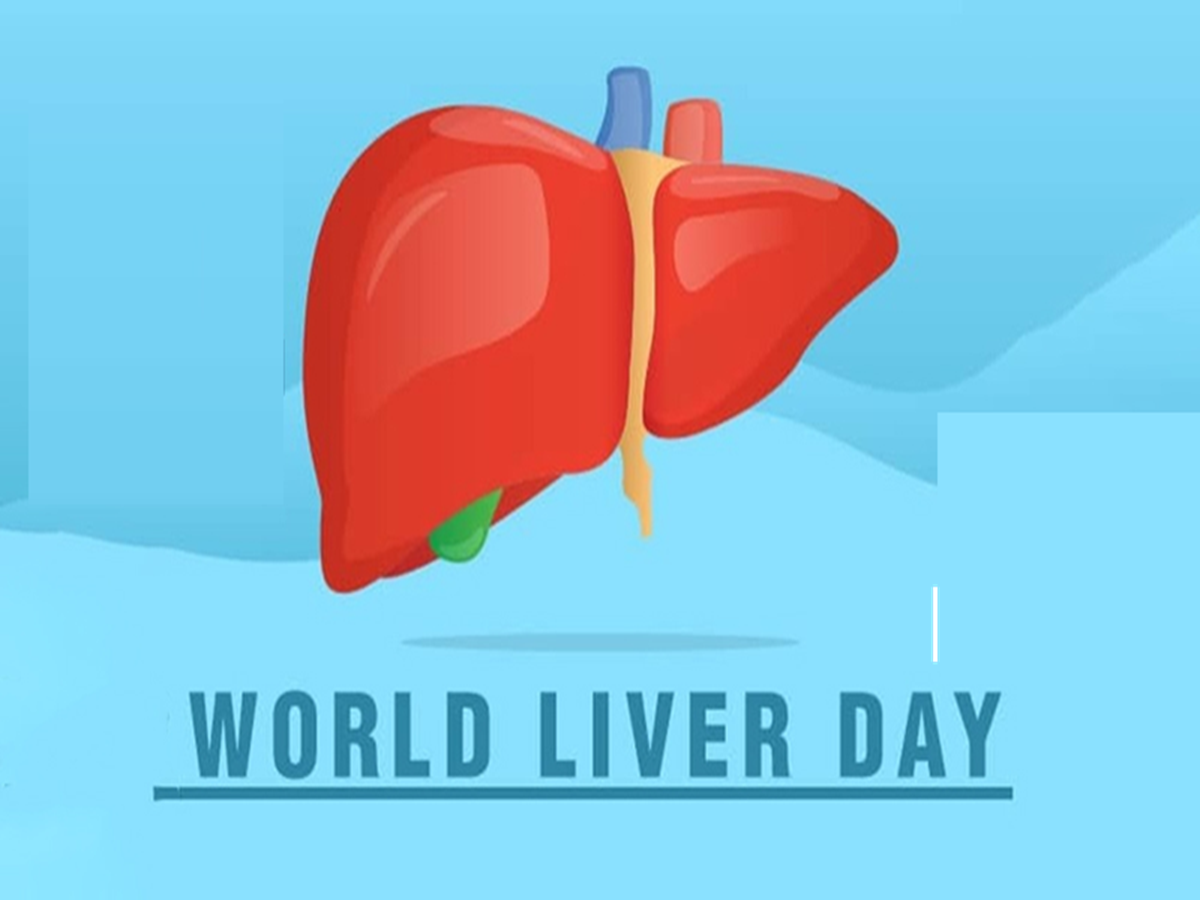
3. Liver Danger - Painkillers like Tylenol are often considered safe, but they are responsible for over 50 percent of liver failure cases in the United States. Tylenol is found in many medications, especially cold and flu medications. Unintentional overdoses can occur, so it's crucial to read labels before taking medications.
4. Headache medication can worsen headaches - Experts say that if you take painkillers more than 10-15 days a month, your body becomes dependent on them. Not taking the medication can trigger headaches. This is called Medication Overuse Headache.