LIFESTYLE
Dirty Helmet and Scalp Problems: How Sweat and Poor Hygiene May Trigger Itching, Dandruff and Irritation
Wearing a helmet while riding a motorcycle or scooter is essential for safety. However, while most riders pay attention to the helmet's outer condition, the cleanliness of its inner padding and lining can easily be overlooked.
A helmet that is used regularly can accumulate sweat, oil, dust and microorganisms associated with the skin and scalp. This can become particularly noticeable during hot and humid weather, when the scalp tends to sweat more.
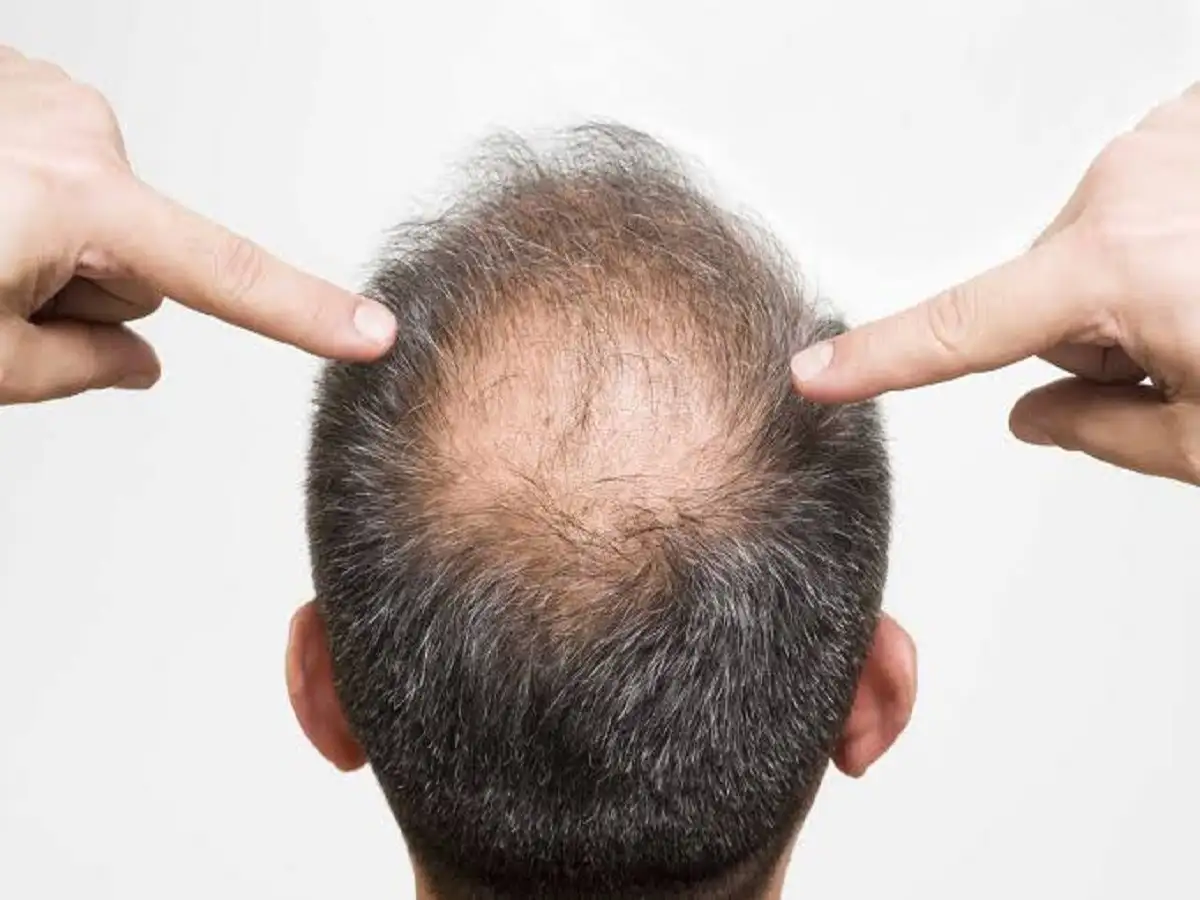
Using an unclean helmet repeatedly may contribute to itching, irritation and other scalp-related problems in some people. However, a dirty helmet should not automatically be blamed for every case of dandruff, hair fall or scalp infection.
Here's why keeping the inside of your helmet clean can be important for scalp hygiene.
Why Does the Scalp Get Sweaty Inside a Helmet?
Once a helmet is worn, airflow around the head becomes limited. The problem can become more noticeable during summer or humid weather because the scalp may produce more sweat.
Some of this moisture can be absorbed by the helmet's inner padding and lining.
If the lining is not cleaned and dried properly, repeated exposure to sweat, oil and dirt can create a warm and damp environment. Such conditions may favour the growth of certain microorganisms.
This doesn't mean that wearing a helmet itself is unhealthy. A helmet remains an important piece of protective equipment for riders. The concern is primarily about hygiene and prolonged moisture inside a frequently used helmet.
What Scalp Problems May Occur?
An unclean and sweaty helmet may contribute to several uncomfortable scalp symptoms, particularly in people who already have sensitive skin or an existing scalp condition.
Possible problems mentioned in the source include:
- Itching
- Burning or general irritation
- Red patches
- Small bumps or pimples
- Folliculitis
- Dandruff
- Seborrheic dermatitis-related symptoms
A warm and moist environment may also encourage the growth of certain types of yeast, which could aggravate some pre-existing scalp conditions.
However, these symptoms can have many possible causes. Experiencing itching or dandruff after wearing a helmet does not by itself establish that the helmet is responsible.
Can a Dirty Helmet Cause a Fungal Infection?
The relationship between helmets and fungal infections needs to be understood carefully.
Some skin infections can spread through contact with an infected person or contaminated personal belongings. One example is tinea capitis, commonly known as scalp ringworm.
However, tinea capitis is more frequently seen in children, and it would be incorrect to assume that every case of an itchy scalp, dandruff or hair loss is caused by this fungal infection.
Similarly, simply wearing an old or dirty helmet does not confirm that someone will develop a fungal infection.
Scalp health is influenced by several factors, including the skin's natural protective barrier and its microbiome. Helmet hygiene is therefore only one part of the overall picture.
Avoid Sharing Personal Helmets When Possible
Since certain skin-related infections may spread through contaminated personal belongings, maintaining personal hygiene is important.
Regular riders should pay particular attention to the helmet's inner lining because this is the part that repeatedly comes into contact with the scalp, hair and sweat.
Where possible, avoiding the routine sharing of helmets may also be a sensible hygiene practice, especially if another person has an active scalp or skin infection.
Keep the Helmet Interior Clean and Dry
The practical takeaway is not to stop wearing a helmet. Instead, riders should focus on keeping it hygienic.
If the helmet has removable and washable inner padding, it can be cleaned according to the manufacturer's care instructions. The interior should be allowed to dry properly before the helmet is used again.
Putting on a helmet while its padding is still damp may recreate the same warm and moist conditions that riders are trying to avoid.
People who ride frequently in hot weather may need to pay even greater attention to helmet hygiene because repeated sweating can cause the inner padding to become dirty more quickly.
Don't Ignore Persistent Scalp Symptoms
Occasional sweating or mild irritation may not necessarily indicate an infection. However, persistent or worsening scalp symptoms deserve attention.
If you develop severe itching, painful bumps, persistent redness, unusual scaling, patches of hair loss or recurring scalp irritation, consider consulting a dermatologist or another qualified healthcare professional.
These symptoms can have different causes, and proper evaluation may be necessary to determine the underlying problem.
The key message for riders is simple: continue wearing a helmet for safety, but don't neglect its hygiene. Keeping the inner lining clean and dry may help reduce unnecessary scalp irritation while allowing you to maintain this essential road-safety habit.