LIFESTYLE
Diabetes Prevention: Even after eating home-cooked food, you can develop type 2 diabetes- know the reason
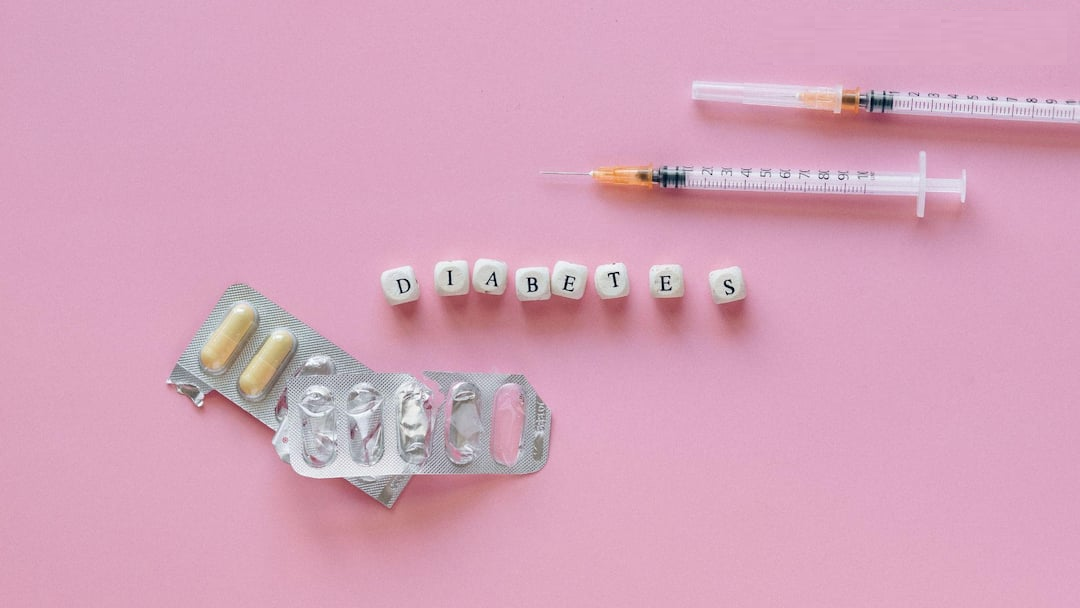
Do you think eating home-cooked meals prevents diabetes? If so, this isn't entirely true. Many factors can cause high blood sugar. Learn what important things to keep in mind.
Type-2 diabetes
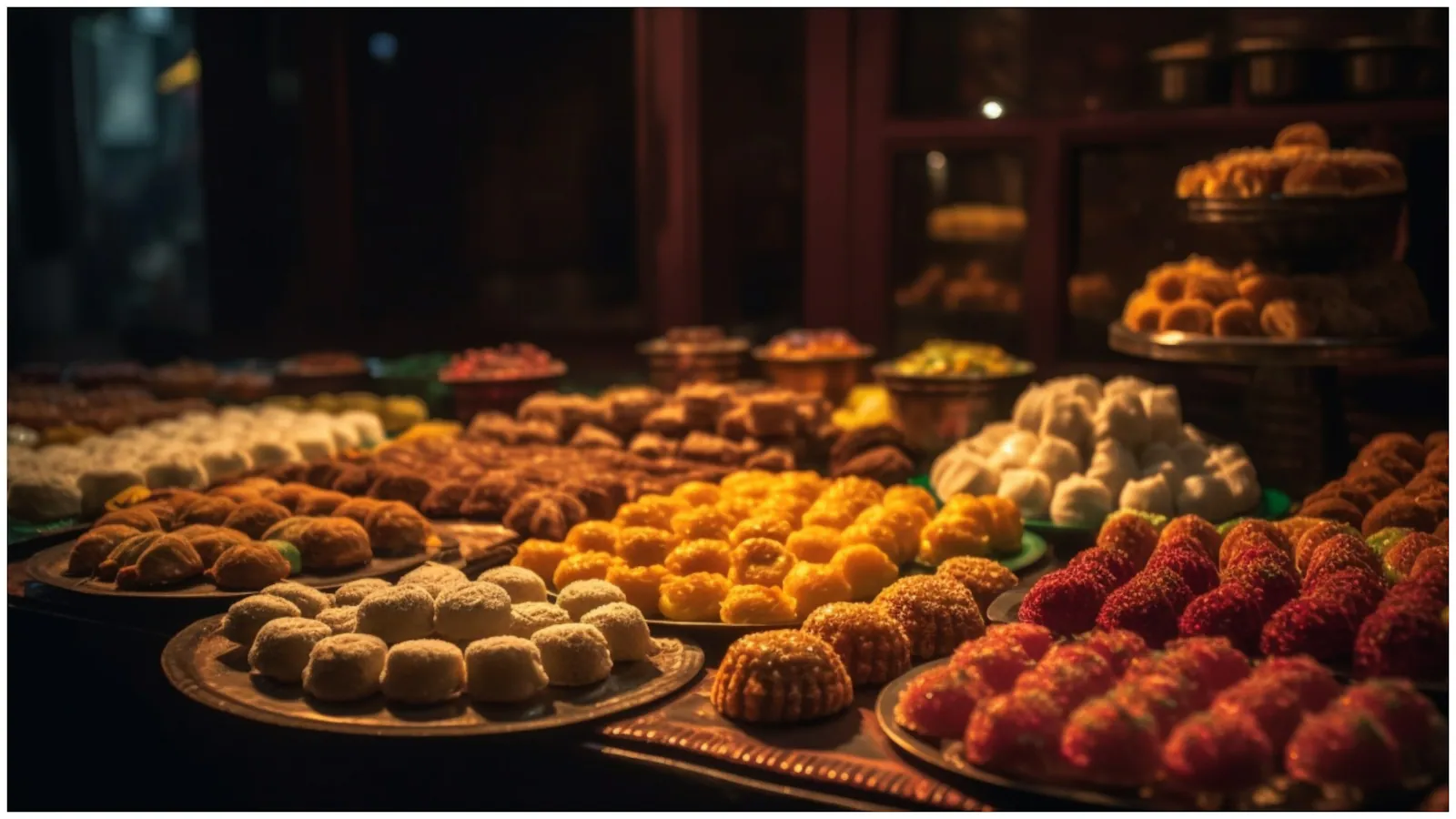
People often avoid eating outside food, believing that home-cooked meals are always healthier. However, simply eating home-cooked meals doesn't eliminate the risk of type 2 diabetes. This is due to the ingredients in the food, their quantity, and the body's health. According to experts, if home-cooked meals are high in items like bread, rice, and potatoes, and low in vegetables and protein, this also impacts blood sugar.
How does home-cooked food also increase blood sugar?
We eat roti, rice, potatoes, and other carbohydrate-rich foods daily. The body breaks them down into glucose, which increases blood sugar levels. Eating too much carbohydrate-rich food at one time, while also consuming less fiber and protein, can cause a rapid increase in blood sugar. This doesn't mean you should stop eating roti or rice. It's just important to be mindful of their quantity. Including green vegetables, lentils, yogurt, and other protein-rich foods in your diet makes your meal more balanced. This means that home-cooked food is only beneficial if it contains the right amount of all the essential nutrients.
Diabetes is not caused only by food, but also by other factors.
Insulin resistance is a major cause of type 2 diabetes. Insulin is a hormone that helps transport blood sugar to the body's cells. When the body cannot use insulin properly, sugar begins to accumulate in the blood. Over time, its levels increase, increasing the risk of diabetes. Furthermore, having a family history of diabetes, aging, excess abdominal fat, and sitting all day also increase the risk. Lack of sleep and lack of physical activity also affect the body's ability to handle sugar. Therefore, simply avoiding outside food is not enough.
What things should be kept in mind to avoid diabetes?
Early diabetes often doesn't have any obvious symptoms. In such cases, a person may not even realize their blood sugar is rising. Fasting blood sugar and HbA1c tests are performed to diagnose it. The HbA1c test indicates the average blood sugar level over the past three months. People with a family history of diabetes or those at higher risk should consult a specialist for periodic testing.
Additionally, increase the amount of vegetables and pulses in your diet, eat chapatis and rice in moderation, and set aside some time each day for walking or other physical activity. Getting good sleep and maintaining a balanced weight are also important. Remember, eating home-cooked meals is a good habit, but to prevent diabetes, it's equally important to take care of your diet and your entire daily routine.