LIFESTYLE
Dehydration: Do you feel thirsty even after drinking water? Understand these body signals.
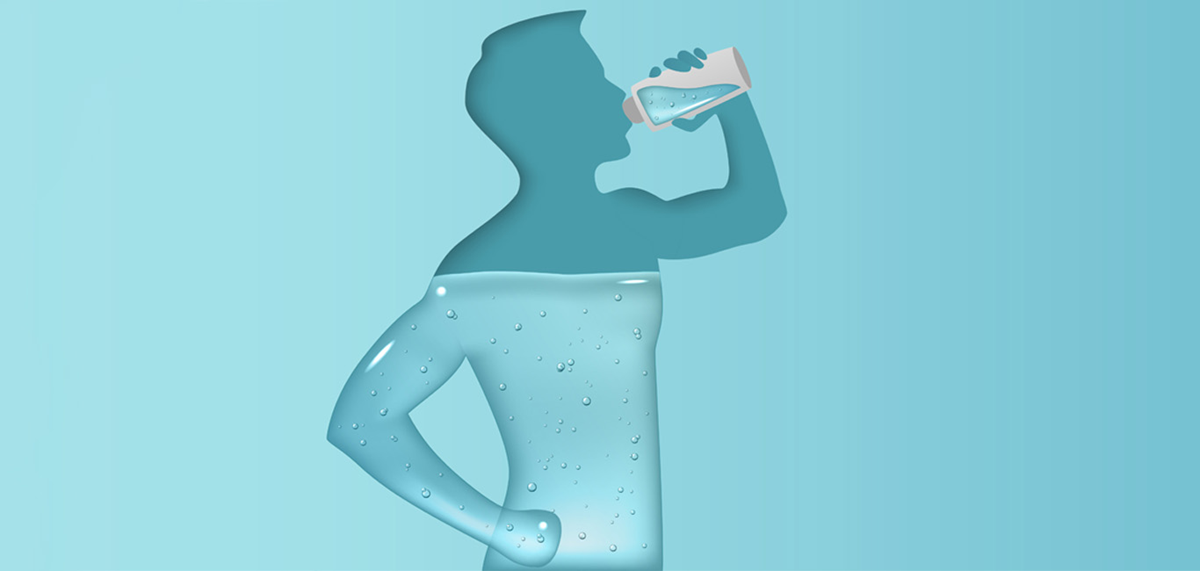
Drinking Water: The body doesn't just need water. Electrolytes like sodium, potassium, and chloride also play an important role in regulating water levels in the body.
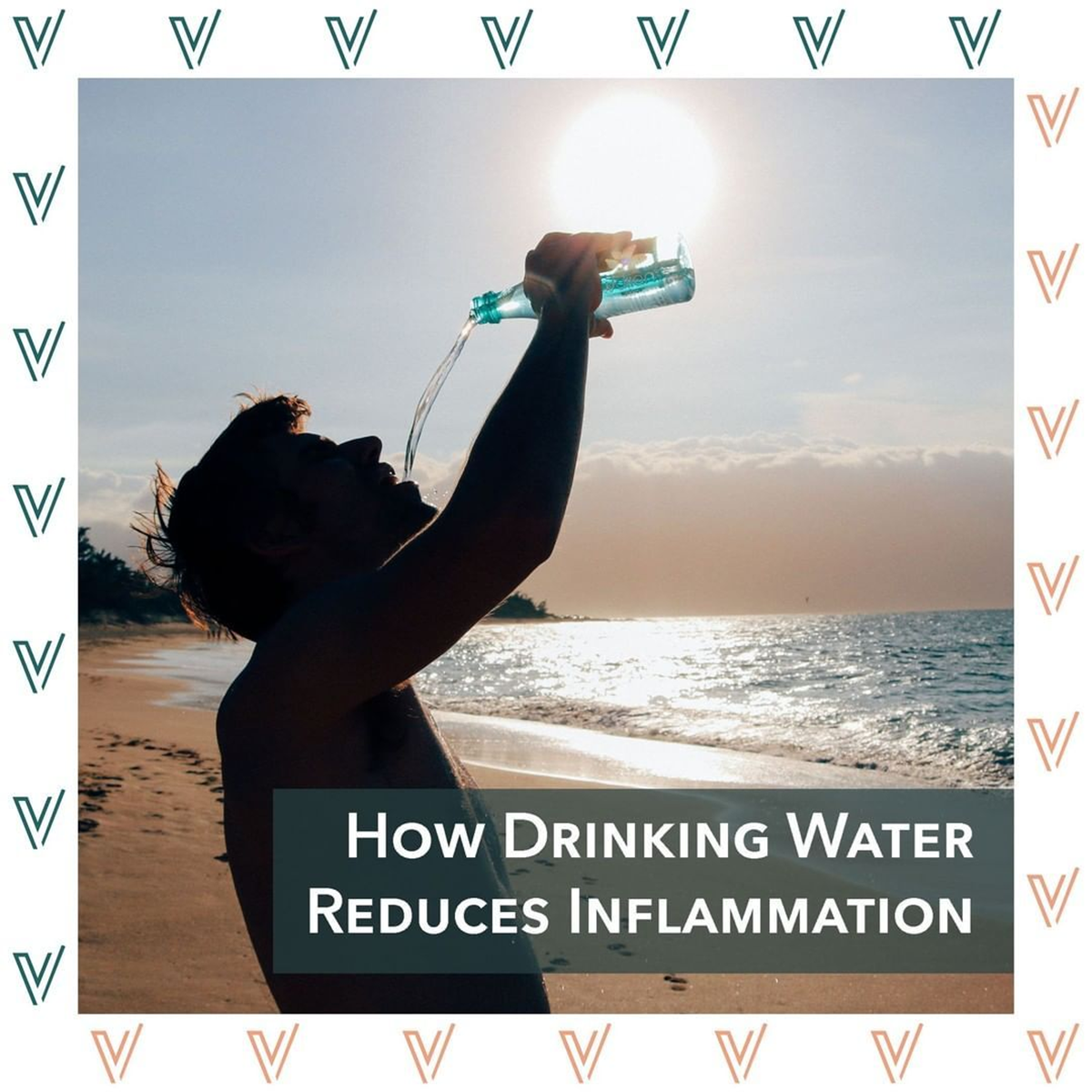
Why do I feel thirsty even after drinking water?
Why Do I Feel Thirsty After Drinking Water? Thirst is a normal bodily signal. Drinking water after heat, excessive sweating, or exercise usually provides relief. However, if your throat feels dry or you feel the urge to drink water repeatedly even after some time, it shouldn't be ignored as just an effect of excessive heat. Sometimes, the reason behind this could be related to the balance of water and essential minerals in the body. Interestingly, in some circumstances, the feeling of thirst can persist even after drinking a lot of water. Why does this happen, and why does the body give such a signal? There could be many possible reasons behind this.
Drinking too much water can also disturb your balance.
The body needs more than just water. Electrolytes like sodium, potassium, and chloride also play an important role in regulating water levels in the body. When a person drinks too much water in a short period of time, electrolytes, especially sodium, can become excessively diluted. This can disrupt the balance of water and electrolytes within the body. The body can sense this change and signal thirst, helping to restore the balance. This means that drinking more water isn't always the right way to quench thirst.
Drinking too much water can also be a problem.
A rare condition caused by excessive water consumption is called hyponatremia, or water intoxication. Drinking too much water can lead to a significant drop in blood sodium. Sodium is essential for the body's fluid balance. Too little can cause swelling of cells and disrupt the body's normal fluid balance. In such cases, other symptoms, including thirst, may also appear. However, this condition is not common. Therefore, it would be inaccurate to attribute water intoxication to simply feeling thirsty after drinking water. The problem is considered more serious when excessive water consumption is accompanied by persistent, unusual thirst or other troubling signs.
Same hydration from every water?
Water's primary function is to replenish fluids, but the minerals in it also play a role in the body's electrolyte balance. Some waters naturally contain calcium, magnesium, and other minerals, while others may be low in these. However, it's not correct to consider water's mineral content as the sole cause of persistent thirst. The body's hydration needs depend on many factors and vary from person to person.
Why can thirst increase in heat and after exercise?
If you've spent a long time in extreme heat or sweated profusely during exercise, your body loses not only water but also some electrolytes. This can lead to persistent thirst, even after drinking water. This is why thirst is considered a signal from the body. Excessive sweating, especially in hot weather , can alter the body's fluid balance, and you may feel the need for more water than usual.
Some medicines can also increase thirst.
Frequent thirst isn't always due to dehydration. Some medications, especially those that cause excessive fluid loss, can affect the body's fluid balance. This can cause a persistent feeling of thirst despite drinking water. If you experience persistent increased thirst after starting a medication, it's best to consult your doctor rather than discontinuing the medication on your own.
When should it not be ignored as normal?
Feeling thirsty in the heat, after sweating, or after prolonged physical exertion can be normal. However, if you experience persistent thirst for no apparent reason and drinking water doesn't relieve it, there may be a medical cause. Simply drinking water frequently isn't the solution. Especially if this problem persists or is accompanied by other unusual changes, it's best to consult a doctor.