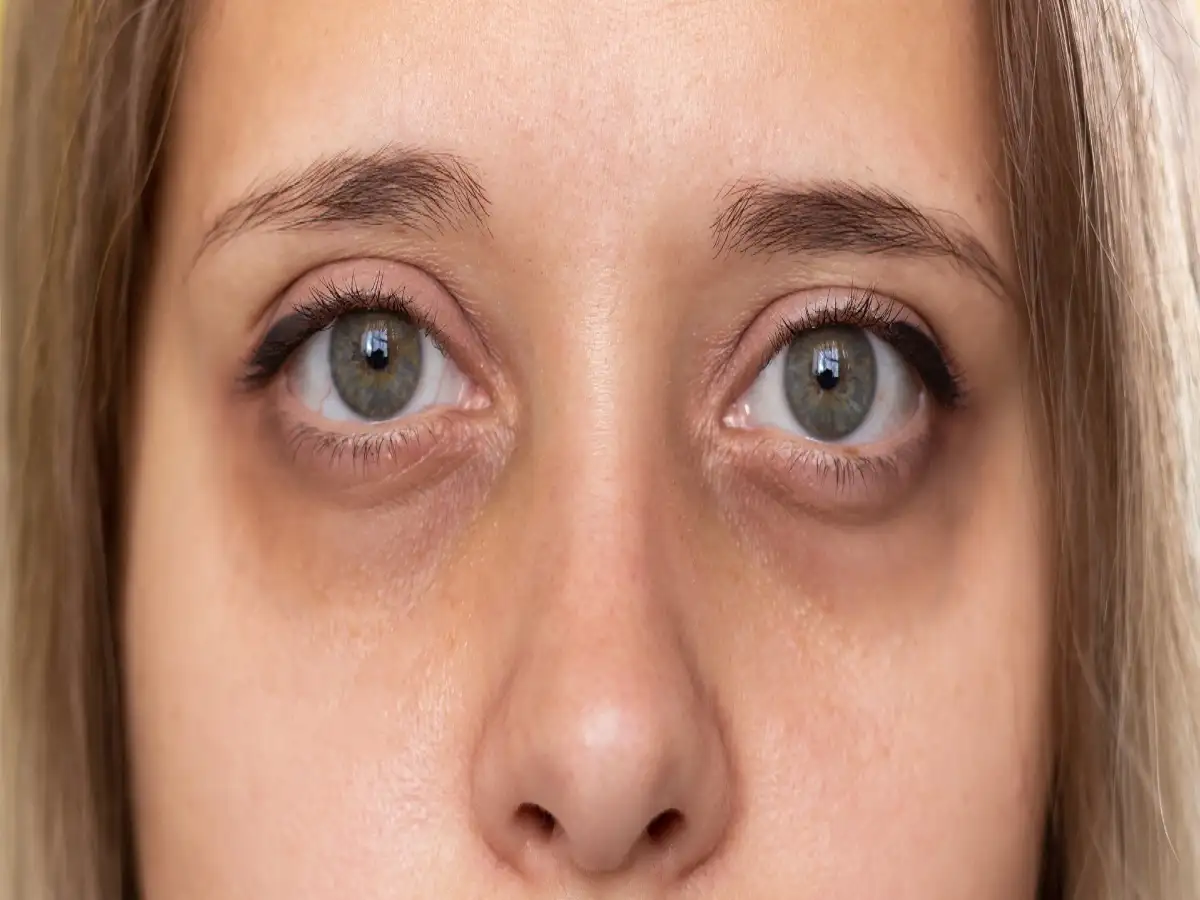
Dark Circles Causes: Dark circles under the eyes are a common cosmetic concern among people of different ages. They can make the face appear tired even after a good night's sleep, but lack of sleep is not the only possible explanation.
Genetics, ageing, allergies, frequent eye rubbing, sun exposure and changes in the delicate skin around the eyes can all contribute to a darker appearance. Long hours spent using smartphones and computers may also lead to eye strain and fatigue, although screen exposure itself is not necessarily a direct cause of pigmentation.
In most cases, dark circles are harmless. Understanding why they appear, however, can help you decide whether simple lifestyle changes may be useful or whether a medical evaluation is appropriate.
1. Lack of Sleep Can Make Dark Circles More Noticeable
Insufficient sleep is probably the factor most commonly associated with dark circles.
When you are tired, the skin can appear duller or paler, which may make the blood vessels and shadows beneath the thin under-eye skin more noticeable.
Lack of sleep can also contribute to puffiness in some people. Swelling beneath the eyes may create shadows, making the area look darker.
Maintaining a consistent sleep schedule may help improve the overall appearance of tired-looking eyes, although sleep alone won't eliminate dark circles caused primarily by genetics or pigmentation.
2. Stress and Fatigue Can Affect Your Appearance
Long periods of stress and physical or mental exhaustion can affect sleep quality and everyday habits, which may make the face look more tired.
Someone experiencing chronic stress may sleep poorly, spend longer hours in front of screens or neglect their usual skincare routine.
Addressing stress doesn't guarantee that dark circles will disappear, but adequate rest, regular physical activity and a balanced routine may improve overall well-being and reduce the tired appearance around the eyes.
3. Frequently Rubbing Your Eyes May Make Things Worse
The skin around the eyes is thin and delicate.
Repeated rubbing—particularly when the eyes are itchy—can irritate this sensitive area. Persistent irritation and inflammation may contribute to changes in pigmentation in some people.
Rubbing can also temporarily increase redness or swelling around the eyes.
If you frequently feel the urge to rub your eyes because of persistent itching, dryness or irritation, it may be worth identifying the underlying cause rather than continuing to rub the area.
4. Dehydration Can Make the Under-Eye Area Look Tired
When the body does not get adequate fluids, the skin may appear less plump, and the area under the eyes can sometimes look more sunken or tired.
However, drinking excessive amounts of water is not a proven treatment for persistent dark circles.
The sensible approach is to maintain normal hydration according to your body's needs, weather conditions and activity level.
If dark circles remain despite adequate hydration, another factor is probably involved.
5. Allergies May Contribute to Under-Eye Darkness
Allergies are another possible reason the area around the eyes can look darker.
Allergic reactions may cause itchy, watery or irritated eyes. This can lead to frequent rubbing, which may worsen irritation and pigmentation.
Nasal congestion associated with allergies can also contribute to a darker appearance beneath the eyes in some people.
If you regularly experience sneezing, nasal congestion, itchy eyes or seasonal symptoms alongside dark circles, speak with a healthcare professional about appropriate allergy management.
6. Too Much Screen Time Can Cause Eye Strain
Smartphones, laptops, tablets and televisions have become unavoidable parts of modern life.
Long periods of screen use can contribute to digital eye strain, with symptoms such as tired eyes, dryness, headaches or blurred vision.
It is important, however, not to oversimplify the relationship between screens and dark circles. Screen exposure does not automatically create permanent under-eye pigmentation.
Instead, long screen sessions may contribute indirectly by causing eye fatigue, encouraging rubbing or interfering with sleep—especially when devices are used late at night.
Taking regular breaks can help reduce eye strain. Looking away from the screen periodically and focusing on something farther away can give the eyes a chance to relax.
7. Sun Exposure Can Increase Pigmentation
Sunlight is another factor that can influence the appearance of the skin around the eyes.
Exposure to ultraviolet radiation stimulates melanin production, which can contribute to pigmentation and uneven skin tone.
Protecting the face from excessive sun exposure is therefore useful for overall skin health.
Use a broad-spectrum sunscreen appropriate for your skin, wear sunglasses when outdoors and consider a hat during prolonged sun exposure.
Be careful when applying skincare products close to the eyes, as the area can be particularly sensitive.
8. Genetics and Ageing Play a Major Role
Sometimes dark circles have little to do with lifestyle.
If parents or other close relatives have prominent under-eye darkness, genetics may contribute to a similar appearance.
Natural ageing can also make dark circles more noticeable.
As the skin changes with age, it may become thinner and lose some of the structural support beneath it. Blood vessels and shadows created by the natural contours around the eyes can then become more visible.
Hollowing or tear troughs beneath the eyes can also create shadows that resemble pigmentation, even when the skin itself has not become significantly darker.
Are Dark Circles Always Caused by Pigmentation?
No. What appears to be a dark circle can have several different causes.
In some people, increased skin pigmentation is primarily responsible. In others, visible blood vessels beneath thin skin create a bluish or purple appearance.
For some individuals, the problem is mostly structural. Hollow areas under the eyes create shadows that make the skin appear darker.
Many people have a combination of these factors, which is why one treatment does not work equally well for everyone.
What Can You Do to Reduce Their Appearance?
Start with basic habits rather than expecting instant results from a single cream or home remedy.
Try to get adequate sleep, manage allergies appropriately and avoid rubbing the eyes. Take regular breaks from prolonged screen use and use appropriate sun protection when outdoors.
A cool compress may temporarily help with puffiness in some cases.
When choosing skincare products for the under-eye area, remember that this skin is sensitive. Avoid harsh scrubbing, strong acids or unverified remedies that cause burning or irritation.
When Should You See a Doctor?
Dark circles alone are usually not a medical emergency.
However, you should seek medical advice if under-eye changes develop suddenly, affect only one side, or are accompanied by significant swelling, pain, redness, vision problems or other unusual symptoms.
Persistent eye itching or irritation may also require evaluation.
If dark circles are primarily a cosmetic concern and don't improve with basic measures, a dermatologist can help determine whether pigmentation, blood vessels, skin thinning or facial structure is the main contributor and discuss appropriate options.
The Bottom Line
Dark circles are not always a sign that you're unhealthy or simply "not sleeping enough." Genetics, ageing, allergies, eye rubbing, sun exposure, fatigue and the natural structure of the under-eye area can all influence their appearance.
Reducing unnecessary screen time may help with eye strain and sleep habits, but it should not be treated as a guaranteed cure for dark circles.
Understanding the underlying cause is the first step toward managing them effectively rather than relying on quick fixes that may not address the actual problem.
Disclaimer: This article is for general information only and is not a substitute for professional medical advice, diagnosis or treatment.