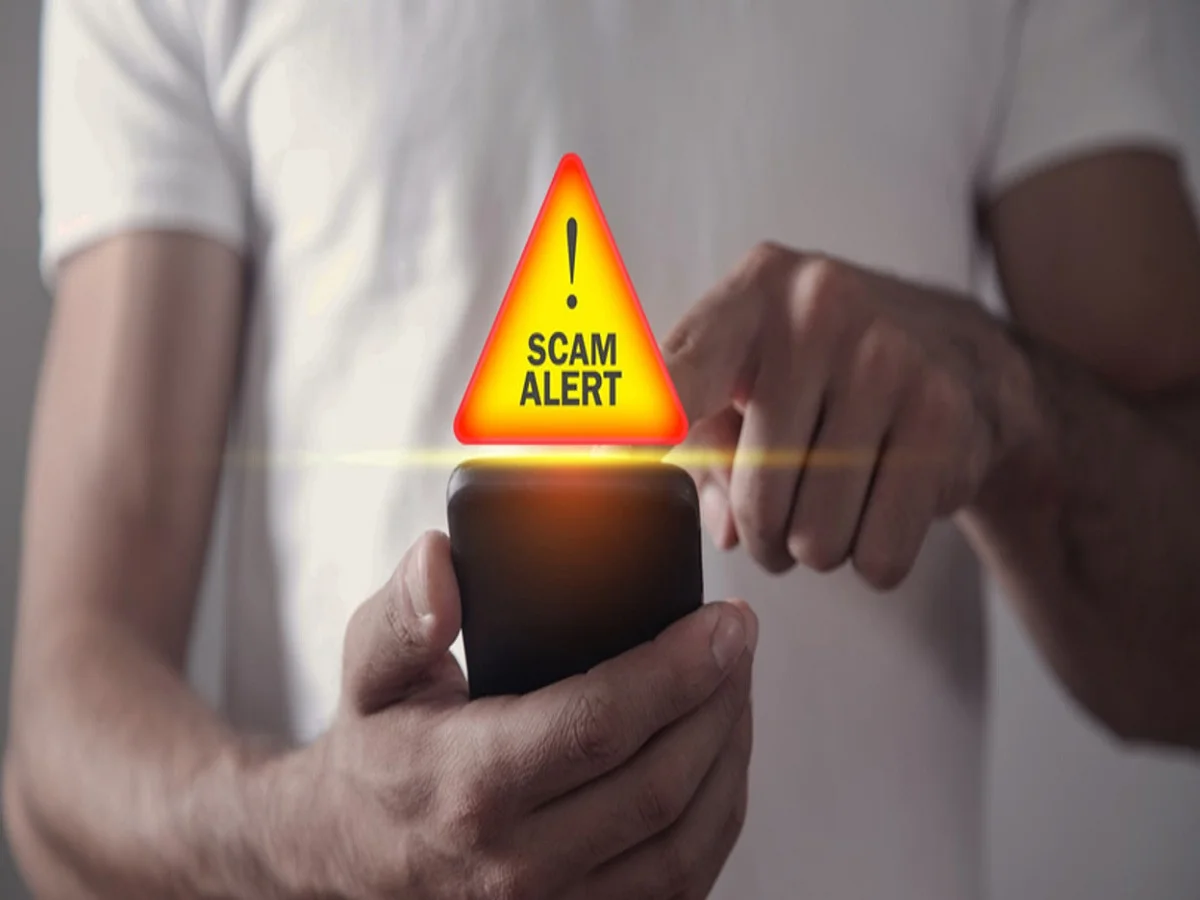
As digital services continue to make everyday life faster and more convenient, cyber fraud cases are also increasing at an alarming pace. From online banking and digital payments to shopping and social media usage, people are spending more time online than ever before. However, cybercriminals are constantly finding new ways to trap users, and even a small mistake can lead to financial loss, identity theft, or unauthorized access to personal accounts.
Experts warn that many people unknowingly become victims of scams because they ignore basic online safety precautions. Fraudsters often use fear, urgency, fake identities, and attractive offers to manipulate users into sharing sensitive information.
With cyber scams becoming more sophisticated in 2026, users must stay alert while using digital platforms. Here are some of the most common mistakes that can expose you to online fraud and financial scams.
Believing “Digital Arrest” Threats Can Lead to Serious Fraud
One of the fastest-growing cyber scams involves fake “Digital Arrest” threats. In such scams, fraudsters pretend to be police officers, government officials, cybercrime authorities, or legal investigators to scare people into transferring money or revealing personal information.
Scammers often claim that the victim’s Aadhaar card, bank account, SIM card, or PAN details have been linked to illegal activities. They then threaten arrest, legal action, or account freezing unless the victim immediately follows their instructions.
These fake calls are designed to create panic so that people act without verifying the information.
How Fraudsters Trap Victims
- Pretend to be law enforcement officers
- Use fake documents or video calls
- Threaten immediate arrest or legal action
- Demand money transfers for “verification”
- Ask users to stay isolated during the call
Cybersecurity experts advise people never to trust such threats without official verification. Real government agencies do not demand money through phone calls or online transfers.
Clicking Unknown Links Can Expose Banking and Personal Data
Another major mistake people make is clicking suspicious links received through SMS, email, WhatsApp, or social media platforms. Cybercriminals often create fake websites that closely resemble official banking portals, shopping platforms, or government websites.
Once users click on these malicious links, they may unknowingly install malware or enter sensitive information on fraudulent websites.
Risks of Clicking Suspicious Links
- Banking credentials can be stolen
- Personal data may get leaked
- Mobile devices may become infected
- Fraudsters can gain account access
- Fake payment requests may appear
Many phishing links also claim to offer rewards, lottery winnings, cashback offers, KYC updates, or urgent account verification requests. Experts recommend avoiding links from unknown sources and manually typing official website addresses instead.
Sharing OTPs Without Verification Can Empty Accounts
One-Time Passwords (OTPs) are among the most important security layers in digital transactions. However, many users still share OTPs with strangers without properly verifying their identity.
Fraudsters frequently pretend to be bank employees, customer care representatives, delivery agents, or KYC executives to trick people into revealing OTPs.
Once the OTP is shared, scammers can gain access to bank accounts, payment apps, or social media profiles within seconds.
Important Safety Rules for OTPs
- Never share OTPs with anyone
- Banks never ask for OTPs over calls
- Ignore urgent pressure tactics
- Verify caller identity independently
- Disconnect suspicious calls immediately
Cyber experts repeatedly warn that OTPs are private authentication codes and should never be disclosed under any circumstances.
Trusting Fake Calls Can Result in Financial Fraud
Phone scams remain one of the most common methods used by cybercriminals. Many people fall victim because fraudsters sound professional and convincing during calls.
Scammers may claim to represent banks, telecom companies, government departments, insurance firms, or online shopping platforms. They often request confidential details such as debit card numbers, CVV codes, UPI PINs, internet banking passwords, or Aadhaar information.
Sharing such details can result in unauthorized withdrawals, account takeovers, or identity theft.
Warning Signs of Fraud Calls
- Callers create panic or urgency
- Requests for confidential banking details
- Promises of rewards or lottery prizes
- Threats regarding account suspension
- Requests to install unknown apps
Financial institutions strongly advise customers never to share sensitive information over phone calls.
Logging Into Fake Apps or Websites Can Be Dangerous
Another serious mistake users make is entering login credentials on unverified websites or applications without checking their authenticity.
Cybercriminals create duplicate apps and fake websites that imitate popular services, including banking apps, shopping platforms, payment wallets, and social media websites.
Once users enter usernames, passwords, or banking information, scammers can steal the data instantly.
How to Identify Fake Platforms
- Check website spelling carefully
- Verify HTTPS security certificates
- Download apps only from official stores
- Read user reviews before installing apps
- Avoid platforms with suspicious pop-ups
Experts recommend verifying website authenticity before entering any personal or financial information online.
Staying Alert Is the Best Protection Against Online Scams
As online fraud techniques continue evolving rapidly, awareness has become one of the strongest defenses against cybercrime. Most scams succeed because users panic, act quickly, or fail to verify information properly.
By avoiding suspicious links, protecting OTPs, ignoring fake threats, and verifying websites carefully, users can significantly reduce the risk of financial fraud and data theft.
Cybersecurity professionals recommend staying cautious during all digital interactions and reporting suspicious activities immediately to official cybercrime portals or local authorities. In today’s digital world, even a small mistake can lead to major financial consequences, making online awareness more important than ever before.