LIFESTYLE
Countries Without Their Own Army: Here Are Some Nations That Operate Without a Military Force
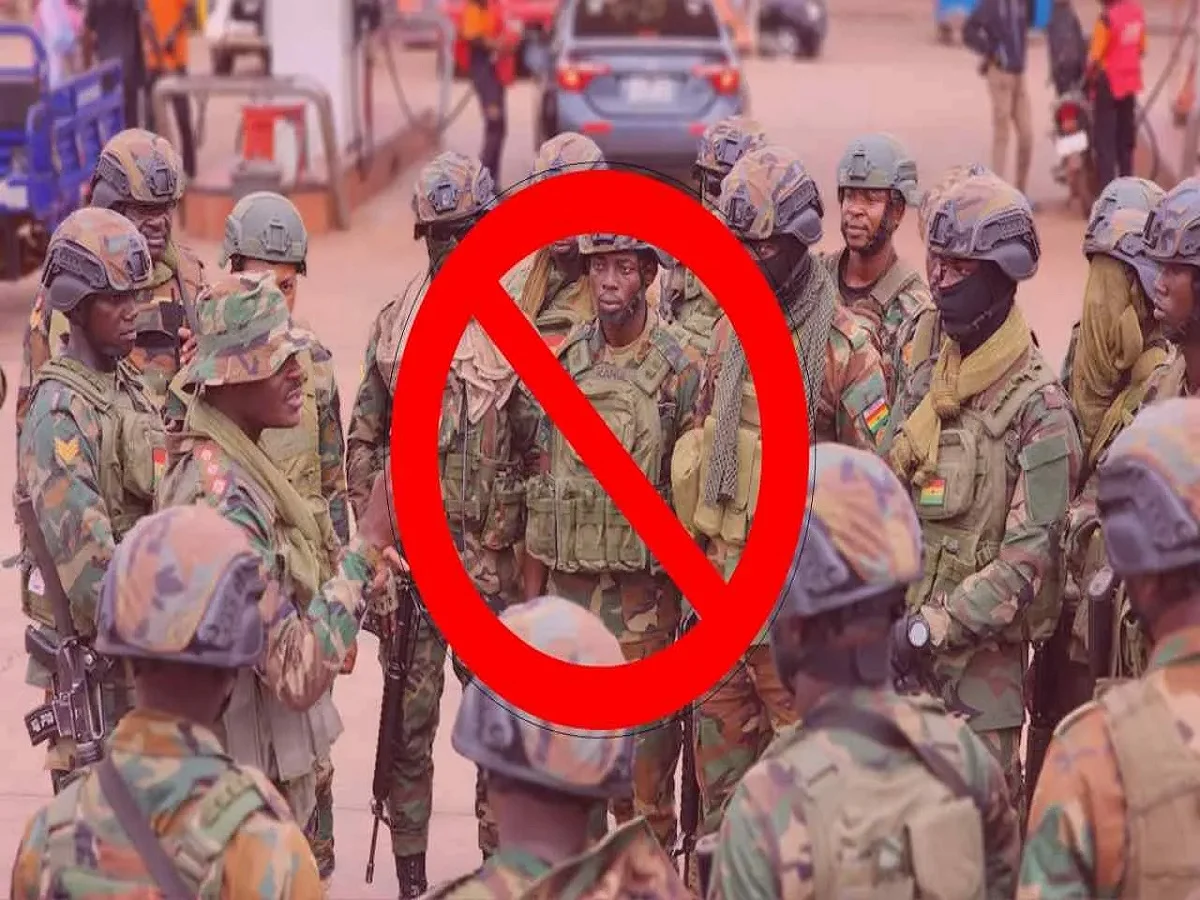
For most countries around the world, having an army is considered essential for protecting national sovereignty, maintaining security, and defending borders during times of conflict.
Armed forces also play important roles during:
- Natural disasters
- Humanitarian crises
- Emergency situations
- National rescue operations
However, there are several countries across the world that do not maintain a regular standing army of their own.
Instead, these nations rely on:
- Police forces
- Defense agreements
- Allied countries
- Specialized security units
for protection and internal security.
Here are some well-known countries that operate without a traditional military force.
Vatican City
The world’s smallest country, Vatican City, does not maintain its own traditional army.
Its security is primarily handled by:
- The famous Swiss Guard
The Swiss Guard is responsible for protecting:
- The Pope
- Vatican officials
- Important Vatican locations
In addition, Italy also provides broader external security support to Vatican City when needed.
Costa Rica
Costa Rica abolished its military in:
- 1948
Since then, the country has operated without a standing army.
Instead of maintaining armed forces, Costa Rica focuses heavily on:
- Education
- Healthcare
- Social welfare
Internal security and law enforcement are managed by:
- National police forces
Costa Rica is often cited globally as an example of peaceful governance without a military establishment.
Iceland
Iceland does not maintain a permanent standing army.
The country relies mainly on:
- Defense partnerships
- International agreements
- NATO cooperation
for national defense support.
Iceland does maintain:
- A coast guard
- Civil defense systems
- Specialized security services
but no full-scale military force.
Panama
Panama officially dissolved its military in:
- 1990
Today, national security responsibilities are handled by:
- Police agencies
- Border protection units
- Specialized security forces
The country focuses mainly on maintaining internal stability and protecting strategic infrastructure such as the famous Panama Canal.
Monaco
Monaco also does not maintain a large active military force.
The small European nation depends heavily on:
- France for defense and military protection
Monaco does maintain limited internal security units for ceremonial and policing purposes, but it does not operate a traditional independent army.
Why Some Countries Choose Not to Maintain an Army
Several factors influence why certain nations operate without armed forces, including:
- Small geographical size
- Low external threat levels
- Strong diplomatic ties
- Defense agreements with allies
- Economic priorities
Some countries prefer investing more in:
- Social development
- Healthcare
- Education
- Tourism
- Infrastructure
instead of maintaining expensive military systems.
Modern Security Still Remains Important
Even without traditional armies, these countries still maintain:
- Internal security systems
- Police forces
- Border control agencies
- International defense partnerships
to ensure national safety and stability.
Their examples show that different countries can adopt different security models depending on geography, politics, diplomacy, and economic priorities.