Menstruation is a natural process in a woman's body, yet many misconceptions and myths surround it. Even today, many girls and women follow beliefs that have no scientific basis. These misunderstandings often lead to unnecessary physical and mental stress.
Here are some common myths about periods that need to be debunked with facts. If you also believe in these, it is time to learn the truth and clear up these misconceptions.
Myth 1: You Should Not Bathe During Periods
Some people believe that taking a bath during periods can increase blood flow or negatively impact health. However, the truth is that bathing with lukewarm water can relax the body, relieve cramps, and improve hygiene.
Myth 2: Women Should Not Enter the Kitchen During Periods
In some cultures, women are not allowed to enter the kitchen or cook food during menstruation. This belief has no scientific foundation. It originated from traditional practices and later turned into a social restriction, which needs to change.
Myth 3: Exercising During Periods is Harmful
Many girls avoid working out during periods, thinking it may harm their health. In reality, light exercises and yoga help maintain proper blood circulation and can even reduce period pain and discomfort.
Myth 4: Washing Hair During Periods Can Cause Health Issues
Some believe that washing hair during menstruation may lead to headaches or other health problems. However, there is no medical evidence to support this. Maintaining personal hygiene is essential during this time to feel fresh and comfortable.
Myth 5: Period Pain is Normal and Should Be Tolerated
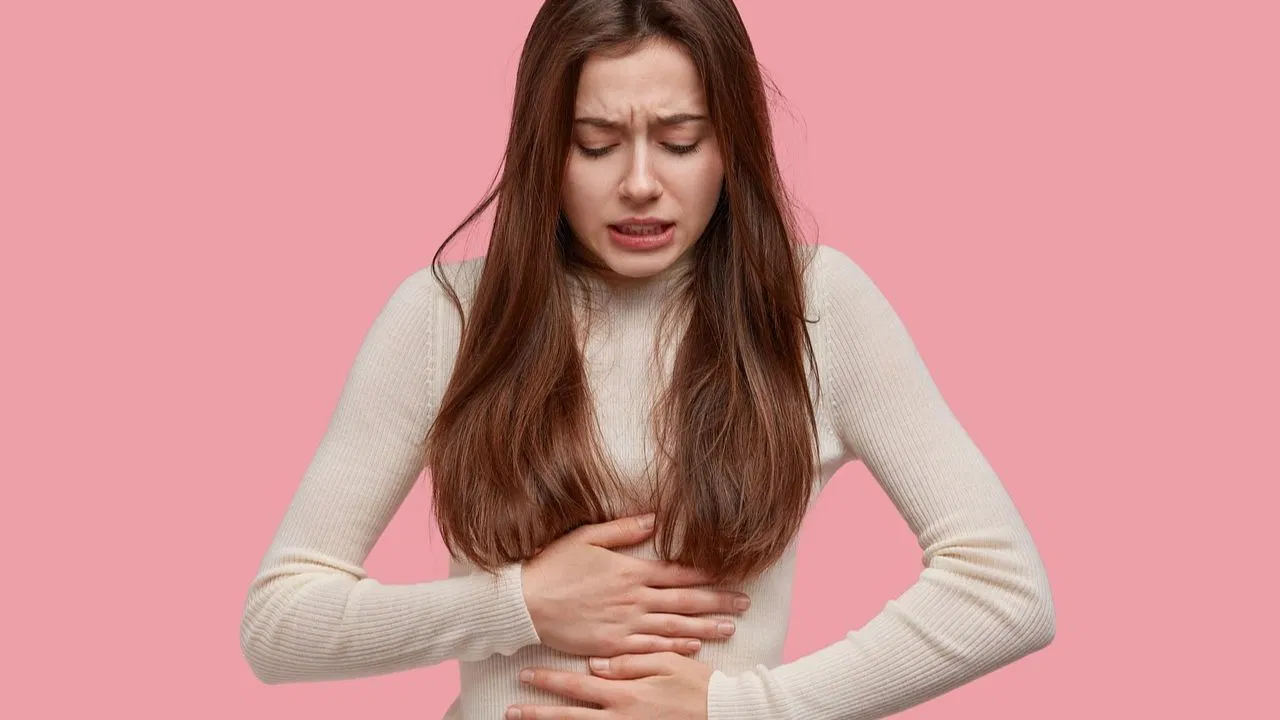
Mild pain during menstruation is common, but if the pain is too intense or lasts longer than usual, it should not be ignored. Severe period pain could be a sign of underlying health conditions such as endometriosis or PCOS, and consulting a doctor is necessary.
Myth 6: Periods Become Regular Only After Marriage
Many people believe that menstrual cycles automatically become regular after marriage. However, irregular periods are usually caused by factors such as hormonal imbalances, stress, poor diet, or medical conditions. Getting married has no direct impact on menstrual regularity.
Final Thoughts
Misconceptions about periods have been passed down through generations, but it is important to separate facts from myths. Educating ourselves and others about menstruation can help eliminate unnecessary restrictions and improve women’s overall health and well-being.