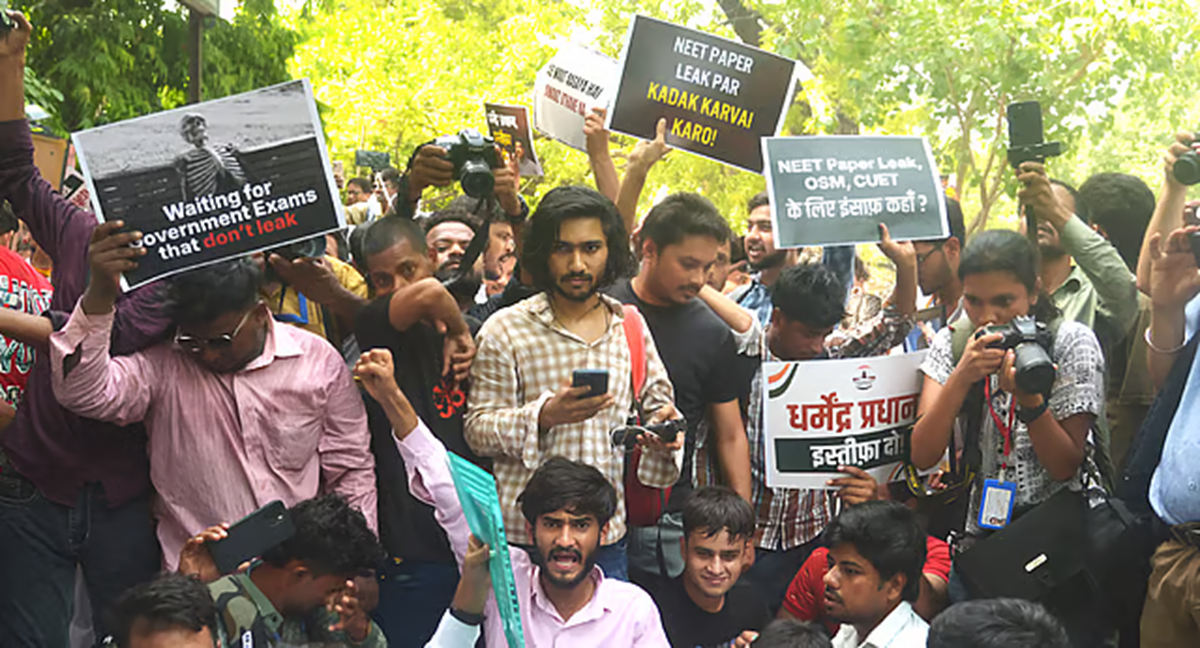
The protests in Delhi have reduced business to 30% of normal levels. According to CTI, 1.5 million merchants have been affected and losses are estimated at around ₹2,000 crore.
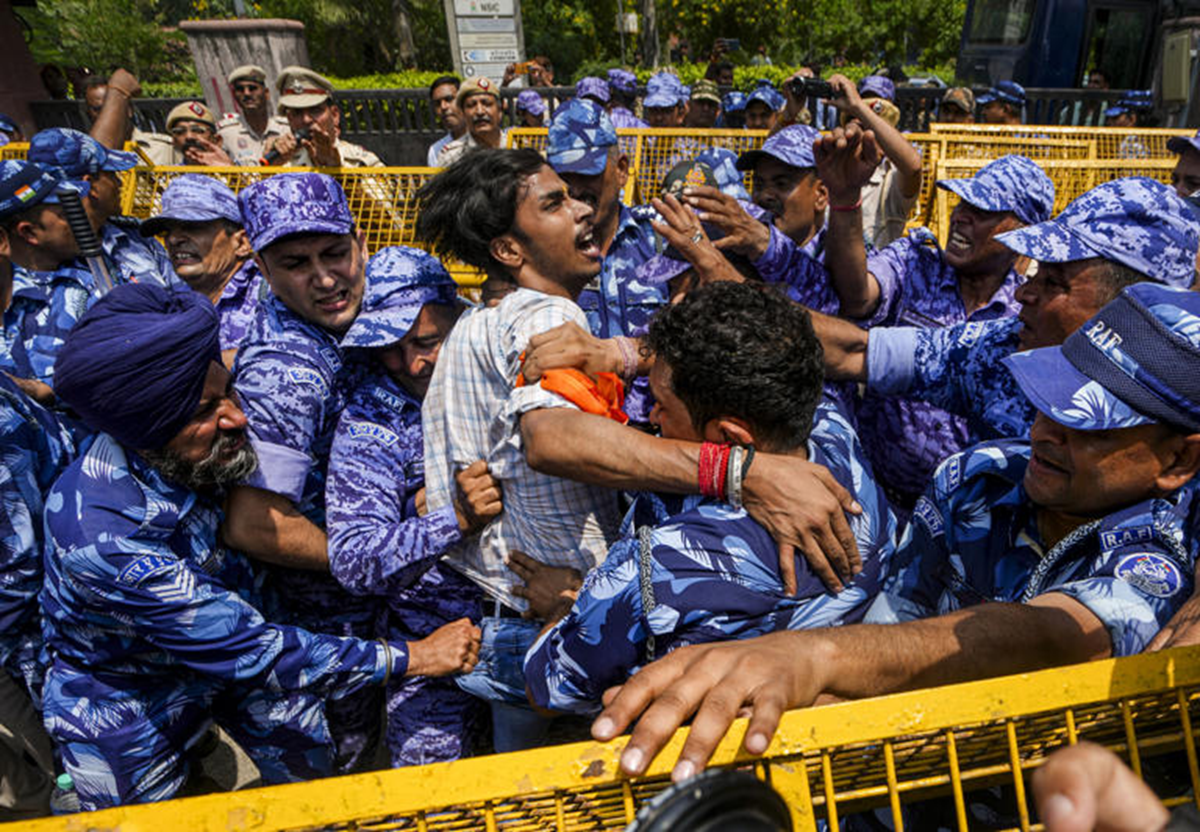
Delhi Business Loss: Loss in Delhi market
The protests in Delhi are now affecting business. The festive season was expected to bring a surge of shoppers to the markets, but the protests and traffic disruptions have increased traders' concerns. According to the Chamber of Trade and Industry (CTI), Delhi's business has declined to just 30 percent of normal levels over the past three days. Traders are estimated to have suffered losses of approximately ₹2,000 crore.
Protests at Jantar Mantar and other areas in central Delhi are hindering access to markets. This is impacting not only major markets but also businesses that rely on pre-festival shopping.
What was the impact of the protests?
According to Brijesh Goyal, president of the Chamber of Trade and Industry, the protests in Delhi are directly impacting the businesses of approximately 1.5 million merchants. Shopping typically increases in markets before festivals. The reduced number of customers during this time is impacting shopkeepers' sales.
Delhi's markets see strong demand for clothing, shoes, electronics, household goods, gift items, and other festive items. But when people avoid visiting markets, business in all these areas suffers.
How much has Delhi's business fallen?
According to CTI, Delhi's total trade has dropped by about 30 percent over the past three days. This means that business has declined by nearly 70 percent.
Sales during the festive season are crucial for merchants. During this time, shopkeepers stock up on more inventory and prepare for other expenses, including staffing. Therefore, lower sales impact their earnings, while shop rent, employee salaries, and other expenses continue.
The number of customers coming from outside to shop decreased
Delhi's markets attract a large number of people from other cities to shop. Especially during festivals, the number of outside customers in both wholesale and retail markets increases.
But according to traders, the protests have significantly reduced the number of people coming to shop from outside. While previously around 200,000 to 300,000 people visited daily, this number has now dropped to around 40,000 to 50,000. This reduced customer flow could impact not only shop sales but also businesses like transport, hotels, street vendors, and food vendors. Reduced customer traffic in markets also reduces the income of many small businesses.
Trouble due to closure of metro station
A large number of people in Delhi use the metro to reach markets. Consequently, the frequent closure of metro stations has reduced the number of local shoppers. According to CTI, these metro-related problems have reduced the number of local customers visiting markets by more than half. This has particularly affected markets where people travel by metro for shopping.
When access to markets becomes difficult, many people postpone their shopping or opt to buy goods online. This can lead to shopkeepers losing out on festive sales.
How much loss did the traders suffer?
Brijesh Goyal, president of the Chamber of Trade and Industry, estimates that Delhi's traders could suffer losses of approximately ₹2,000 crore due to the protests. Weak business in the markets ahead of the festivals is creating a double whammy for traders. Sales are declining, while operating expenses remain low. If customer traffic doesn't return to normal soon, pre-festival shopping could be further impacted.