LIFESTYLE
Child Care Tips: Don't Ignore Dehydration in Children—It Can Seriously Affect Their Health
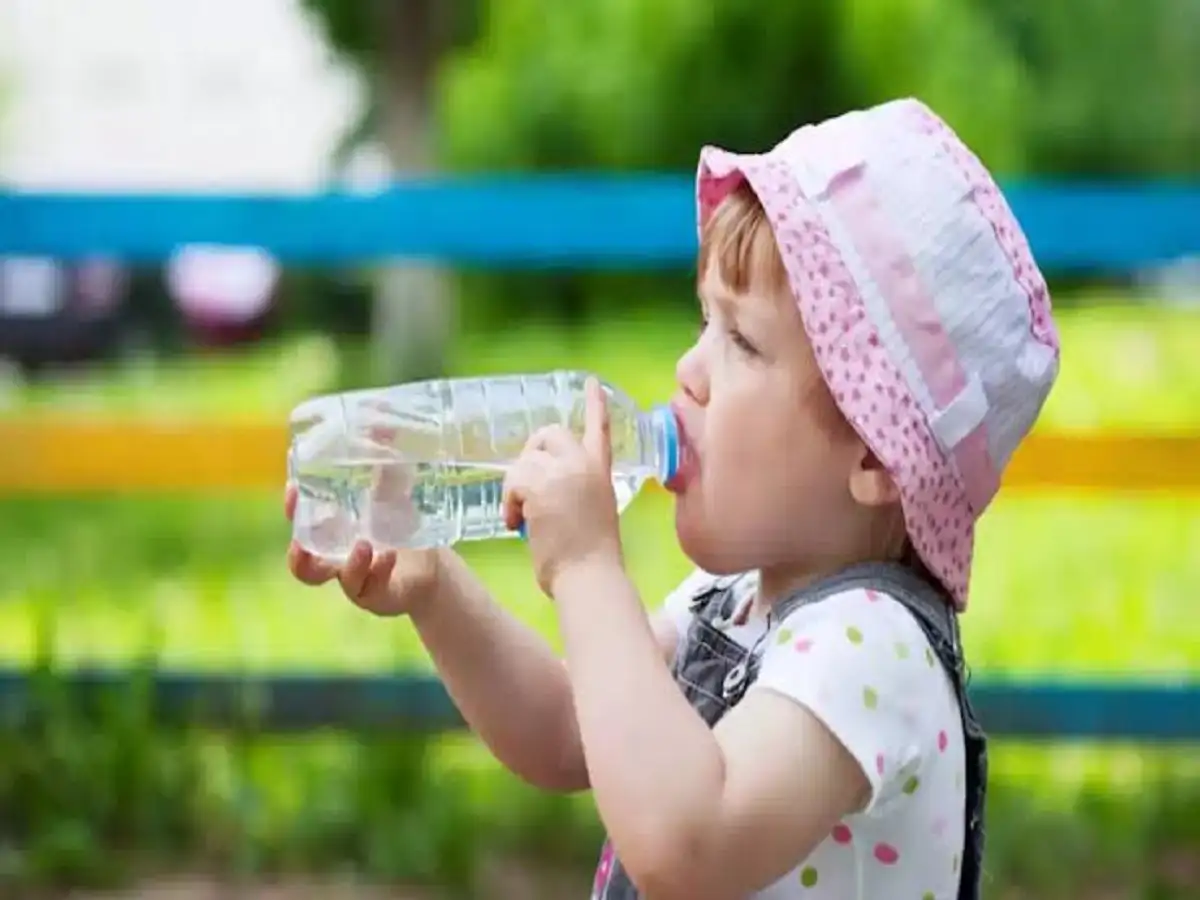
Child Care Tips: Children are more vulnerable to dehydration than adults because their bodies lose fluids more quickly and they may not always be able to express when they are thirsty. Adequate hydration is essential for maintaining body temperature, supporting digestion, transporting nutrients and removing waste from the body. Doctors say dehydration can develop rapidly in children, especially during hot weather or when they have fever, vomiting or diarrhea. Recognizing the warning signs early can help prevent serious health complications.
Why Are Children More Prone to Dehydration?
Children have a higher risk of dehydration for several reasons, including:
- Hot and humid weather.
- High fever.
- Vomiting or diarrhea.
- Excessive sweating.
- Not drinking enough fluids.
- Intense physical activity without adequate water intake.
Even mild dehydration can affect a child's energy levels, mood and overall well-being.
Common Signs of Dehydration in Children
Parents should watch for early symptoms such as:
- Increased thirst.
- Dry mouth or cracked lips.
- Dark yellow urine.
- Urinating less frequently than usual.
- Weakness or unusual tiredness.
- Dizziness.
- Irritability.
- Reduced energy or lack of interest in playing.
Identifying these signs early allows timely treatment and helps prevent dehydration from becoming severe.
Warning Signs of Severe Dehydration in Infants and Young Children
Severe dehydration is a medical emergency and requires prompt medical attention.
Watch for symptoms such as:
- Few or no tears while crying.
- Sunken eyes.
- A sunken soft spot (fontanelle) on the top of an infant's head.
- Excessive sleepiness or difficulty waking up.
- Very little or no urination for several hours.
- Cold hands and feet.
- Rapid breathing or a fast heartbeat.
If your child develops any of these symptoms, contact a healthcare professional or seek emergency medical care immediately.
What Should Parents Do If a Child Becomes Dehydrated?
If dehydration is mild, doctors generally recommend replacing fluids gradually.
Parents can:
- Offer small sips of water frequently.
- Give Oral Rehydration Solution (ORS) as advised by a healthcare professional.
- Continue breastfeeding if the child is breastfed.
- For older children, offer fluids such as coconut water or clear soups if recommended by a doctor.
- Avoid giving a large amount of fluid at once, as it may trigger vomiting.
- Continue monitoring the child's hydration throughout the day, even if symptoms improve.
When Should You See a Doctor Immediately?
Seek medical attention without delay if your child:
- Becomes unusually sleepy or is difficult to wake.
- Has repeated vomiting.
- Cannot keep water or ORS down.
- Has not urinated for several hours.
- Shows rapidly worsening signs of dehydration.
- Appears confused, extremely weak or unusually lethargic.
Early medical treatment can prevent serious complications and speed up recovery.
How to Prevent Dehydration in Children
Doctors recommend the following preventive measures:
- Encourage children to drink water regularly throughout the day.
- Increase fluid intake during hot weather.
- Use ORS as recommended if the child has vomiting or diarrhea.
- Include water-rich foods such as watermelon, oranges, cucumbers and soups in their diet.
- Limit sugary drinks and caffeinated beverages.
- Ensure children drink enough fluids before, during and after outdoor play or sports.
Maintaining proper hydration is especially important during the summer months and periods of illness.
Why Hydration Matters
Water plays a vital role in nearly every function of a child's body. Proper hydration helps:
- Regulate body temperature.
- Support healthy digestion.
- Transport nutrients and oxygen.
- Maintain normal brain function.
- Remove waste products through urine and sweat.
- Support physical activity and healthy growth.
Ensuring children drink enough fluids every day can help them stay active, healthy and better protected against dehydration-related complications.
Key Highlights
- Children are more likely than adults to become dehydrated.
- Fever, vomiting, diarrhea, hot weather and inadequate fluid intake are common causes.
- Early symptoms include thirst, dry mouth, dark urine, fatigue and irritability.
- Severe dehydration may cause sunken eyes, no tears, reduced urination and extreme drowsiness.
- ORS, frequent small sips of fluids and continued breastfeeding can help manage mild dehydration.
- Seek immediate medical attention if severe symptoms develop or the child cannot retain fluids.
Disclaimer: This article is intended for informational purposes only and should not replace professional medical advice. If your child shows signs of severe dehydration or persistent illness, consult a qualified healthcare professional or seek emergency medical care immediately.