LIFESTYLE
Cesarean delivery risk: Is there really a risk of kidney failure during a cesarean delivery?
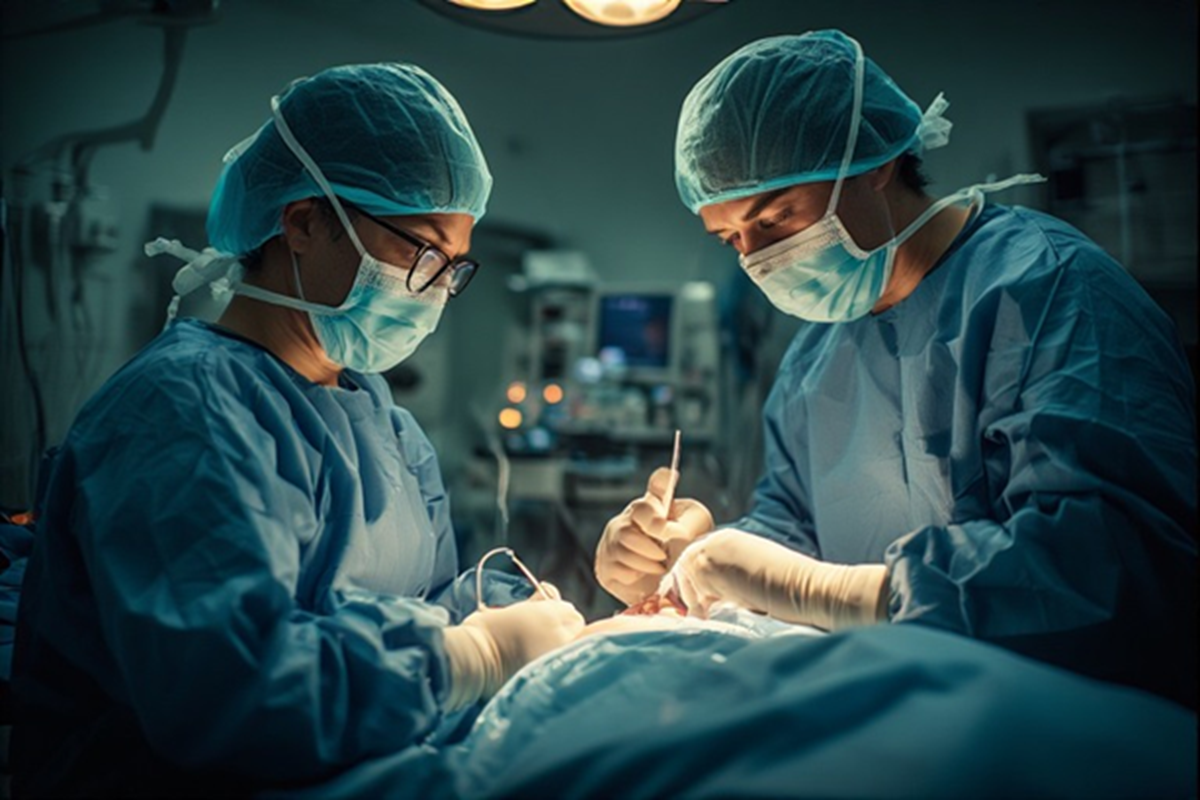
Caesarean delivery risk: In Kota's New Medical College Hospital and JK Lon Hospital, the health of several pregnant women has deteriorated in the past few days. Four women have died so far.
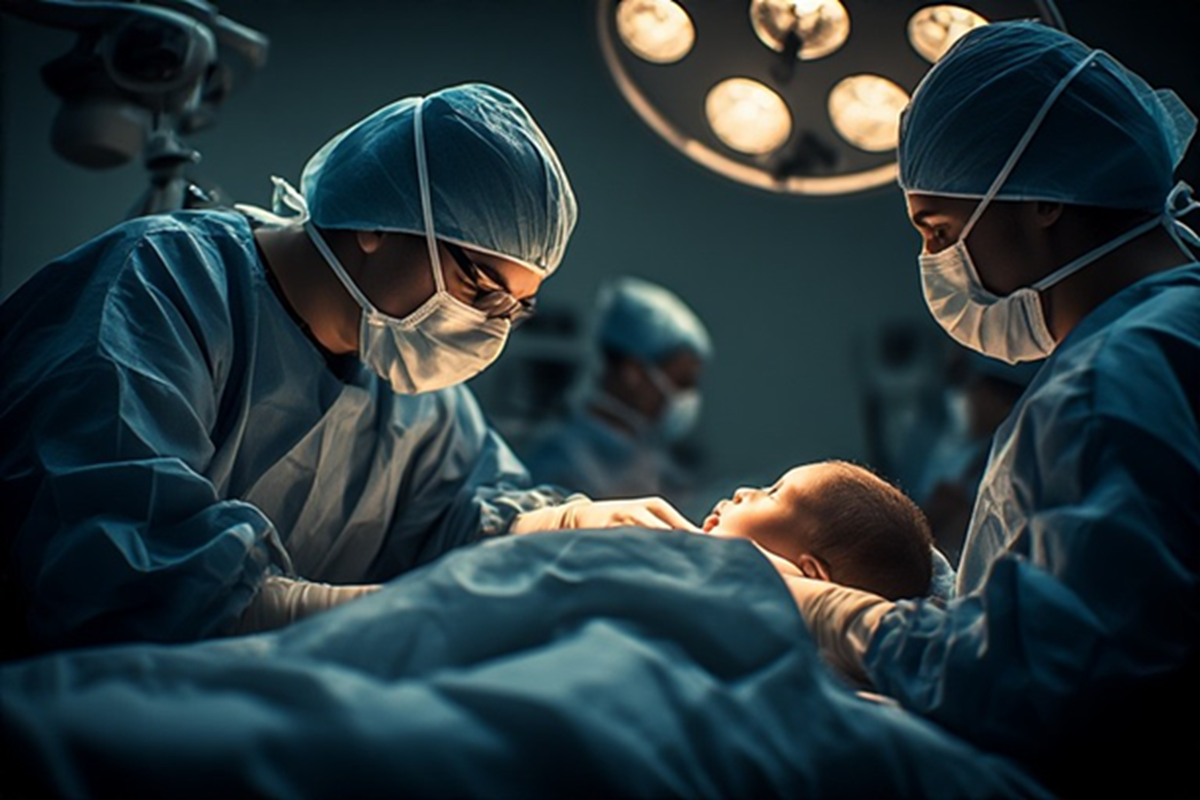
Caesarean delivery risk
Cesarean Delivery Risk: The continuous deaths and cases of kidney failure reported from Kota Medical College, Rajasthan, have increased people's concern. Amidst reports of women's health deteriorating after cesarean delivery and many patients having to resort to dialysis, the biggest question that is being raised is whether there is really a risk of kidney failure during a C-section. Regarding this, doctors say that cesarean delivery is not a normal procedure but a major surgery, and if infection spreads after the operation, the situation can become serious very quickly. So, let us now tell you whether there is really a risk of kidney failure during a cesarean delivery.
Cases are continuously increasing in Kota.
In Kota's New Medical College Hospital and JK Lon Hospital, the health of several pregnant women has deteriorated over the past few days. Four women have died so far, while several others have developed kidney failure and low blood pressure. Some patients are undergoing dialysis and treatment in the ICU. A team of expert doctors from Jaipur has also arrived in Kota to investigate the matter.
How does the risk of infection increase?
According to doctors, infection is the biggest risk after a cesarean delivery. If bacteria spread throughout the body, they can reach the bloodstream, leading to sepsis. Sepsis affects many organs, with the kidneys being the first to be affected. This is why, in some cases, patients' kidneys stop functioning. Experts say that during pregnancy and surgery, the body's immune system is already weakened, allowing infection to spread rapidly. Without timely treatment and monitoring, the infection can cause a sudden drop in blood pressure, preventing adequate blood supply to the kidneys, increasing the risk of kidney failure.
Why is a C-section more sensitive than a normal delivery?
According to doctors, a C-section involves cutting through several layers of the abdomen and uterus to remove the baby. This is why it carries a higher risk of infection, excessive bleeding, blood clots, and post-operative complications compared to a vaginal delivery. The risk is particularly high for women with underlying conditions like anemia, diabetes, obesity, or prolonged labor. The risk is considered even higher in cases of emergency caesareans.